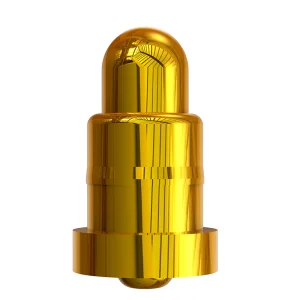
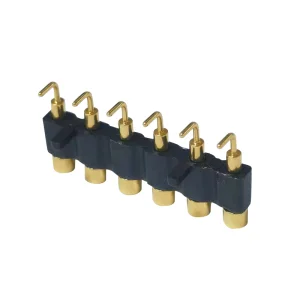
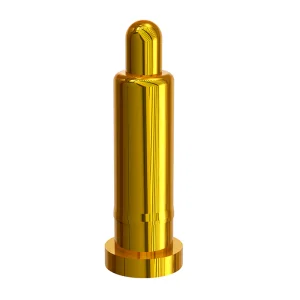
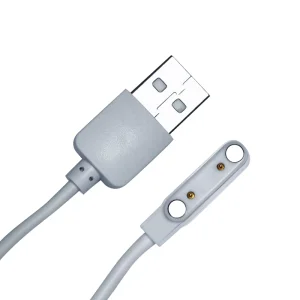
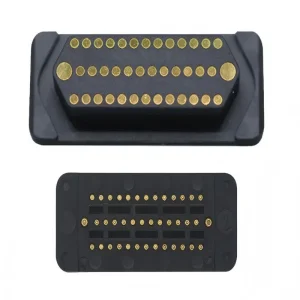
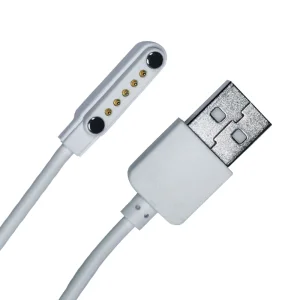
High-performance test connectors configured for rapid diagnostic loops, automated PCB testing, and rugged machinery deployment in Peru.
Exploring the convergence of mining telemetry, urban 5G build-outs, and marine electronics testing requirements across Peru's key economic centers.
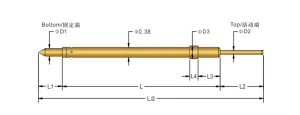
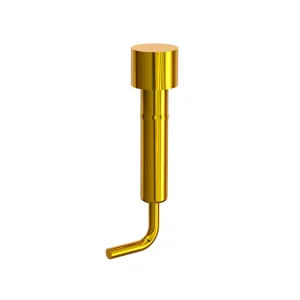
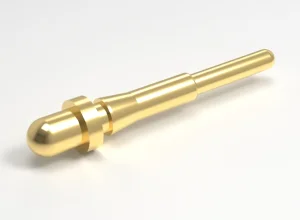
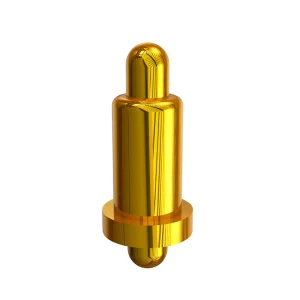
Peru's modern industrial landscape is undergoing a significant transformation. Driven by heavy mining investments (such as in Antamina, Las Bambas, and Southern Copper), expanding telecommunication hubs in Lima, and the rise of local automotive components refurbishing, the demand for precision electronic diagnostic components has reached a critical turning point. Among these components, high-frequency testing needles (often referred to as RF test probes or high-speed coaxial pogo pins) are instrumental in validating structural integrity, ensuring zero signal degradation, and establishing reliable contacts on circuit boards under extreme mechanical stress.
Engineered to support bandwidths reaching up to 10 GHz and beyond, ensuring minimal return loss and phase distortion during signal transmission cycles.
Featuring music wire or beryllium copper springs designed to endure up to 1,000,000 compression cycles without structural deformation.
Robust gold-over-nickel plating ensures resistance to coastal salinity and high-altitude oxidation, crucial for Peruvian operations.
In the global electronics supply chain, procurement professionals from Latin America are increasingly sourcing directly from specialized manufacturers in Shenzhen, China. As a major high-frequency testing needle factory, Shenzhen Rongqiangbin Electronic Hardware Co., Ltd. offers a strategic combination of micro-machining precision, strict quality control systems, and rapid international shipping via Callao Port.
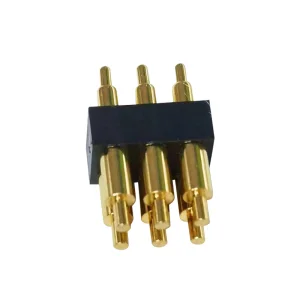
By shifting from local third-party distributors to direct factory partnerships, Peruvian operations can achieve significant cost savings (typically between 30% to 50%) while gaining access to custom modifications. This includes options for plunger tip geometries (serrated, cup, needle, or crown), custom spring force metrics, and specialized plastic housing designs tailored for heavy-duty testing equipment.
Request Custom Design Consultation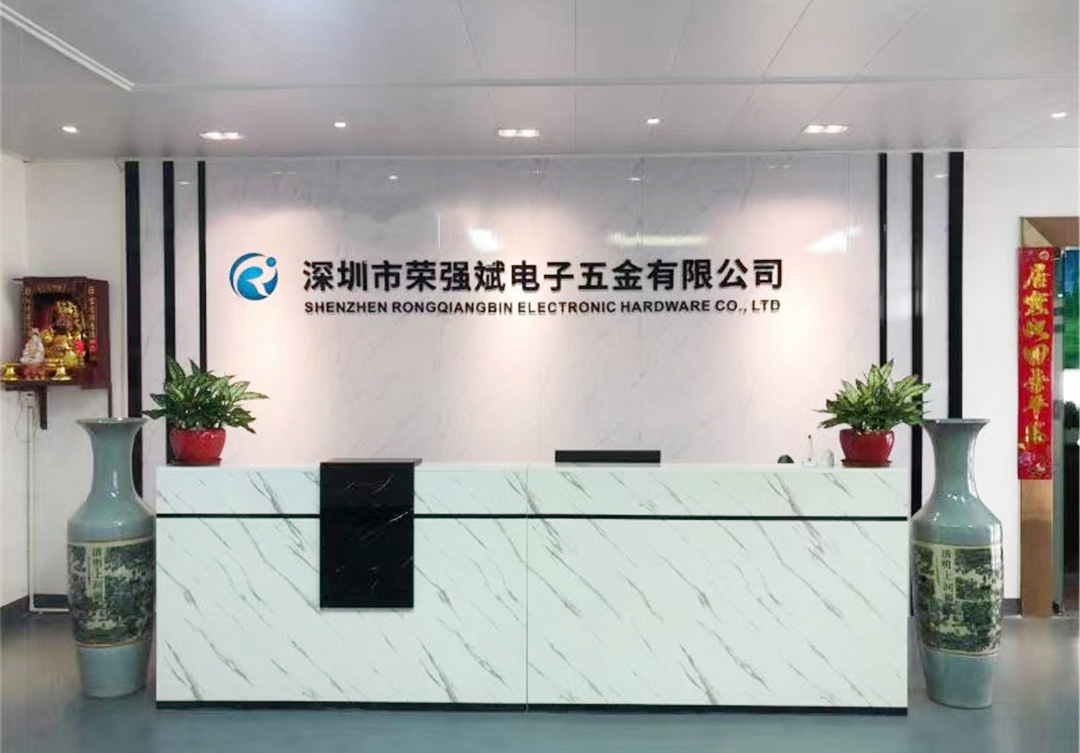
A leading manufacturer of high-reliability POGO PIN connectors and high-frequency testing needles in the Guangdong-Hong Kong-Macao Greater Bay Area.
Founded in February 2011 and based in Songgang Street, Shenzhen, Shenzhen Rongqiangbin Electronic Hardware Co., Ltd. has grown to become an industry leader in POGO PIN connector manufacturing. Our facility specializes in the research, development, production, and sales of various POGO PIN (spring thimble) products designed for critical high-frequency testing and power delivery applications.
Aligned with our mission to serve as a reliable partner in the electronic hardware sector, we have implemented the ISO9001:2015 international quality management system. Our comprehensive production line and dedicated environmental management system allow us to supply high-quality, eco-friendly products that meet stringent international regulatory standards.
Our client base includes recognized industry leaders such as Honeywell, Samsung, SIEMENS AG, ZTE, 360, QCY, HAYLOU, Shanghai Laimu, Luxshare Group, Aoni Electronics, and Amphenol Group. Through these partnerships, we continue to refine our processes, offering high-frequency solutions that perform reliably in demanding operating environments worldwide.
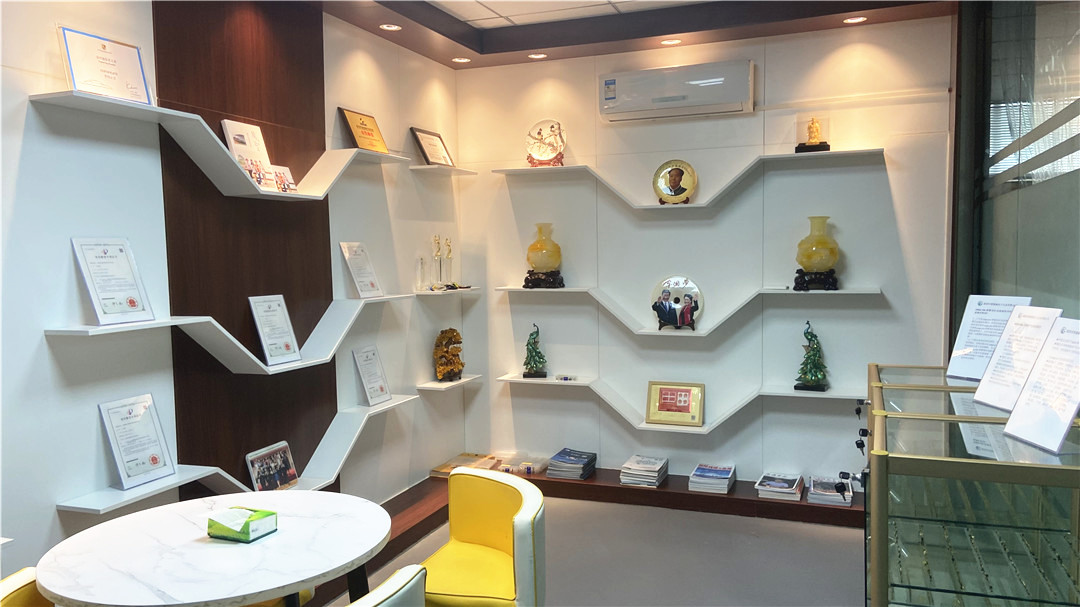
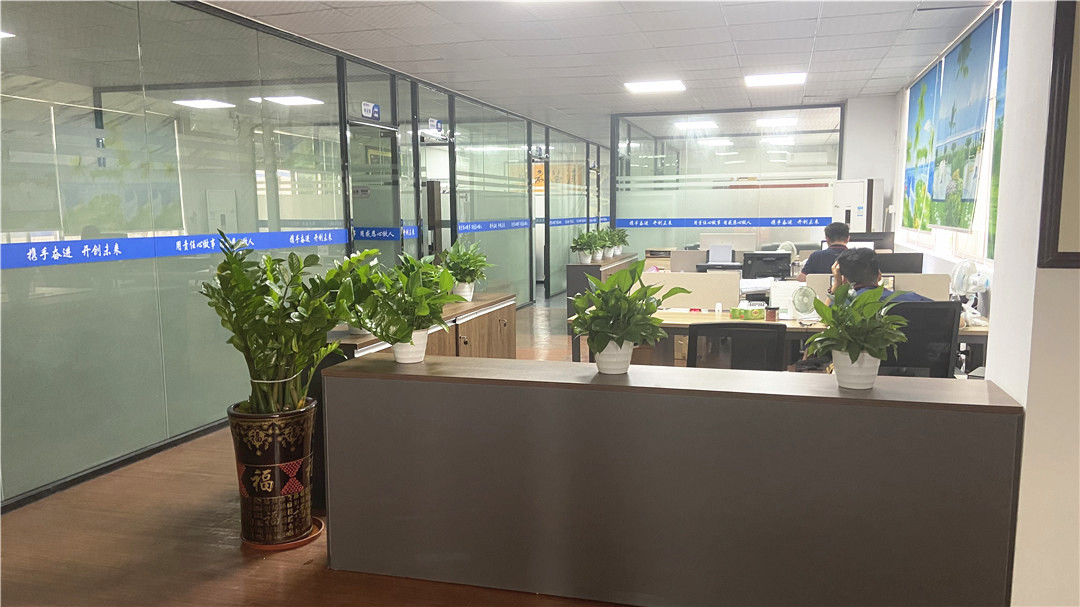
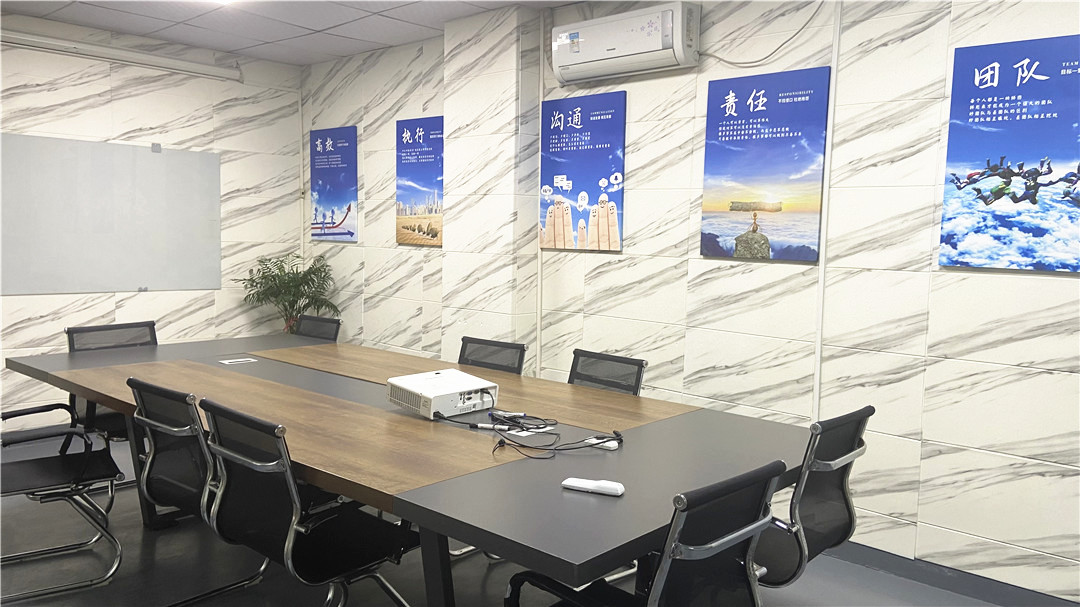
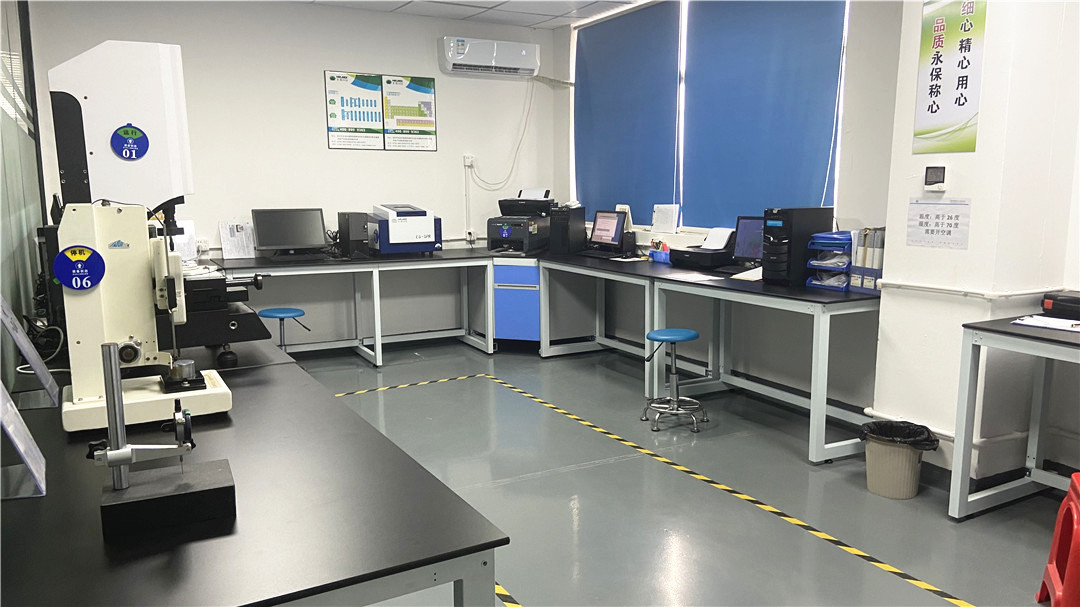
"Committed to being an excellent POGO PIN manufacturer for both quality and cost on home and abroad, and leading connector technology development." By centering our processes around the core values of customer service and quality, we strive to maximize value for our global procurement partners, including those across Peru's industrial hubs.
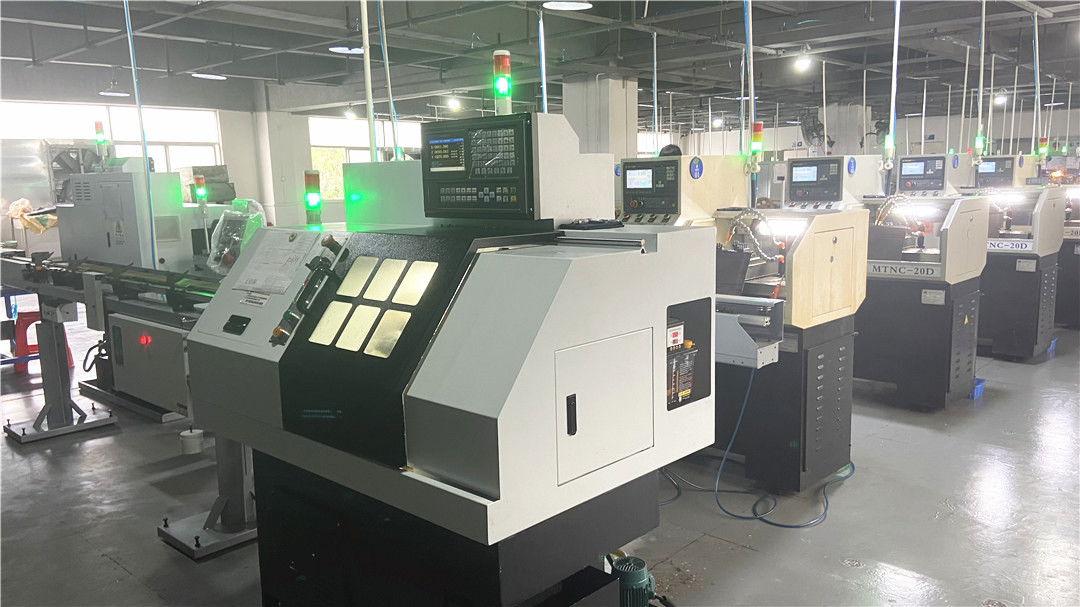
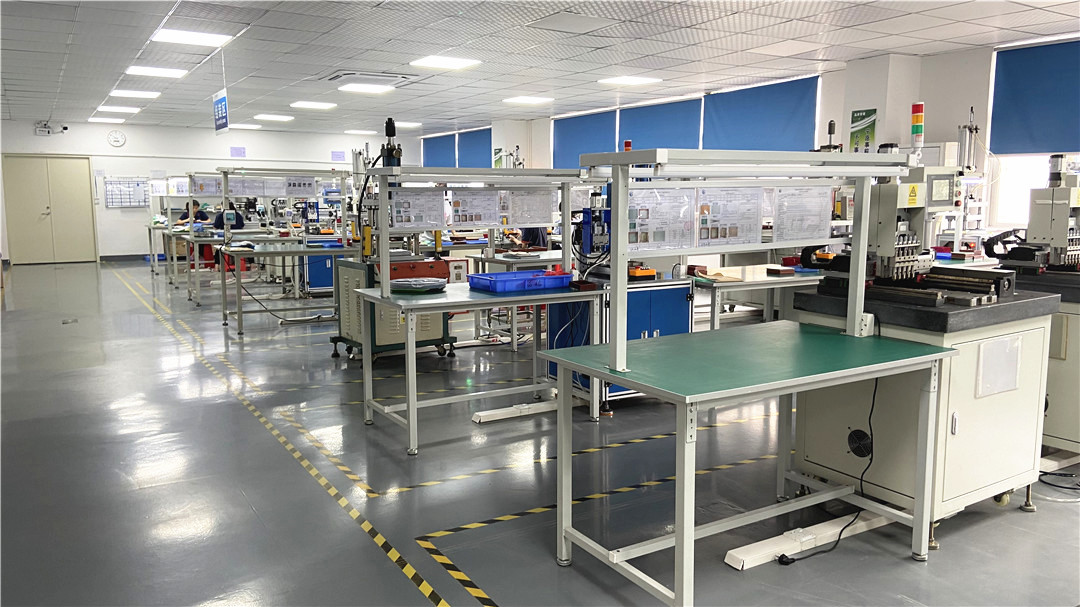
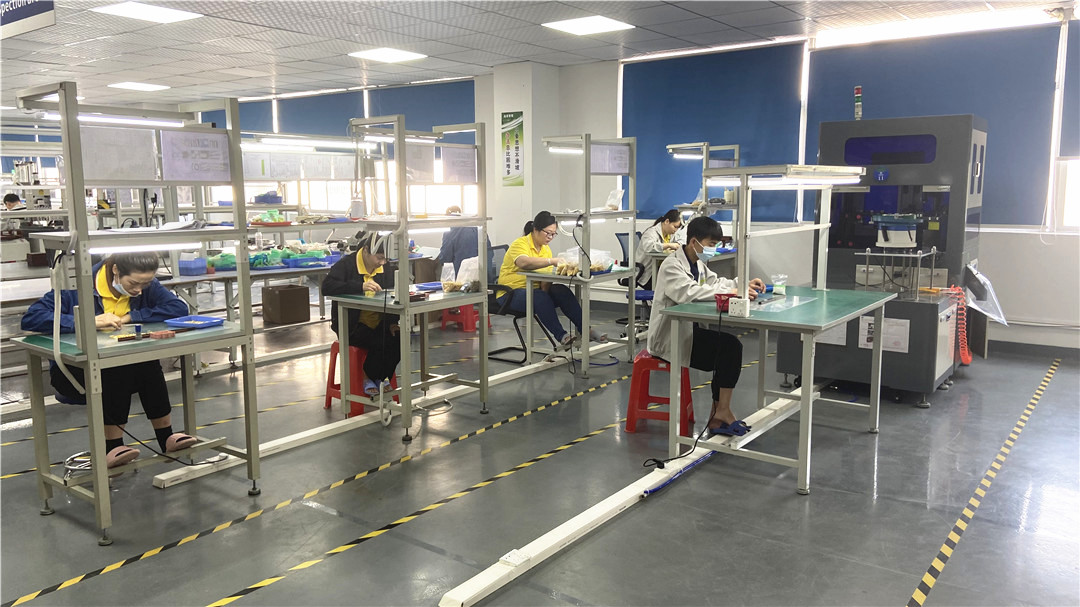
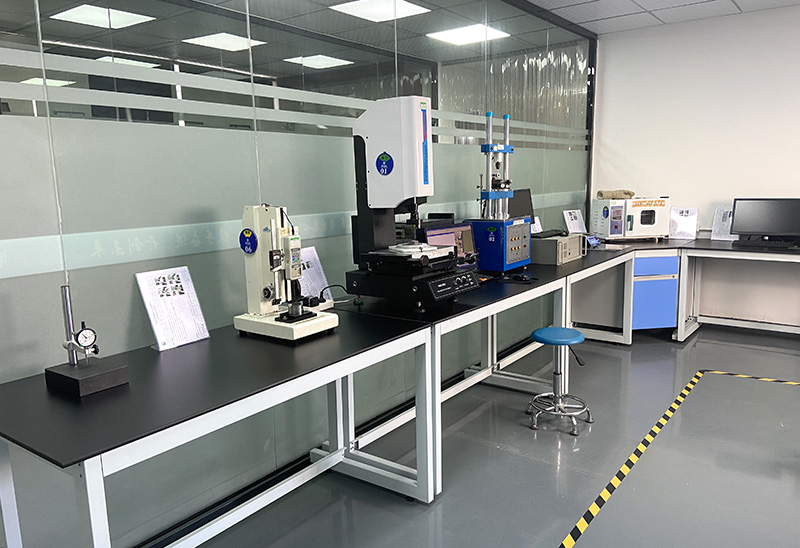
Take a virtual walk inside our highly automated manufacturing floor, equipped with high-precision CNC lathes and real-time vision testing inspection rigs.
For RF engineering departments in Lima or Callao designing local test fixtures, matching physical properties is crucial. The table below represents the core parameters of our high-frequency testing lines:
| Parameters | Standard Specs | High-Frequency Specs | Environmental Tolerance |
|---|---|---|---|
| Impedance Match | Non-controlled | 50 Ω / 75 Ω typical | Stable from -40°C to +85°C |
| Bandwidth Target | DC to 500 MHz | Up to 12 GHz RF Loop | Low-drift design |
| Plating Composition | Min 10u" Gold (Au) | Min 30u" Gold (Au) over Palladium-Nickel | 48-Hour Salt Spray Proof |
| Spring Rate Force | 1.5 oz - 3.0 oz | Customizable up to 6.5 oz | Consistency through thermal cycles |
| Typical Contact R | < 50 mΩ | < 20 mΩ (ultra-low contact resistance) | Constant impedance testing |
Answering critical engineering questions regarding imported test needles, electrical specifications, and deployment in Peru's microclimates.
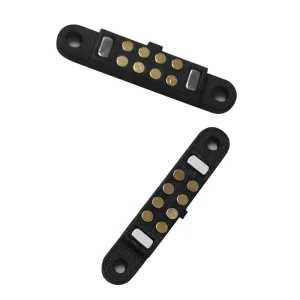
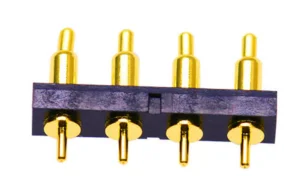
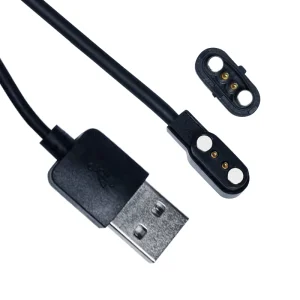
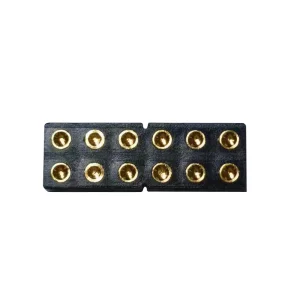
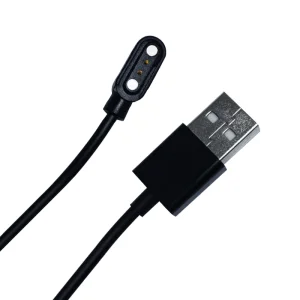
A comprehensive selection of POGO PIN configurations, high-durability charging connectors, and magnetic interface cables designed for diverse electronics assembly lines.
 Rongqiangbin