High-reliability components engineered for precision electronic assembly and robust connectivity across Indonesian industrial zones.
Under the national roadmap "Making Indonesia 4.0", the archipelago is scaling its capabilities as a dominant manufacturing powerhouse in Southeast Asia. Industrial hubs spanning the Jabodetabek region (Jakarta, Bogor, Depok, Tangerang, Bekasi), Cikarang, Karawang, and the Batam Free Trade Zone have integrated advanced electronics manufacturing services (EMS), automotive plants, and consumer technology assembly lines.
Our soldering wire materials and precision pogo pins are designed specifically to withstand the unique challenges of tropical manufacturing environments, characterized by high ambient humidity and elevated thermal profiles. By engineering solder wires with advanced flux cores, we help local factories eliminate oxide contamination and dry joints during reflow and manual soldering processes.
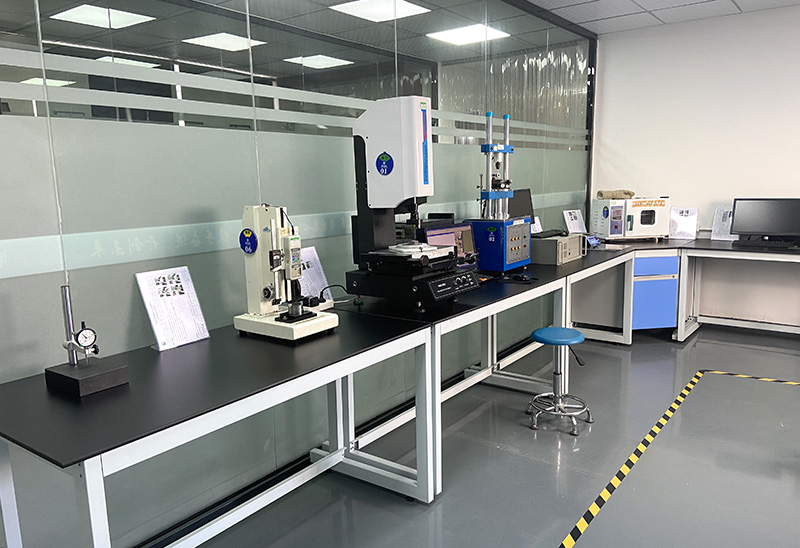
Choosing the correct soldering alloy and flux system is critical to prevent heat damage during the manual or automated assembly of precision Pogo Pin terminals.
In high-reliability printed circuit board assemblies (PCBAs), matching the chemical activation of the soldering wire to your board finish (HASL, ENIG, OSP) dictates your production yield. Lead-Free soldering wire types (such as SAC305 and Sn99.3Cu0.7) require narrow process windows due to higher melting points (~217°C to 227°C) and reduced wetting speeds compared to legacy Sn63/Pb37 alloys.
To prevent spring annealing or internal housing damage within Pogo Pins, factories must control thermal exposure. Choosing a soldering wire with a fast-wetting flux chemistry prevents thermal energy from traveling up the connector barrel, protecting the inner spring's mechanical tension and gold plating.
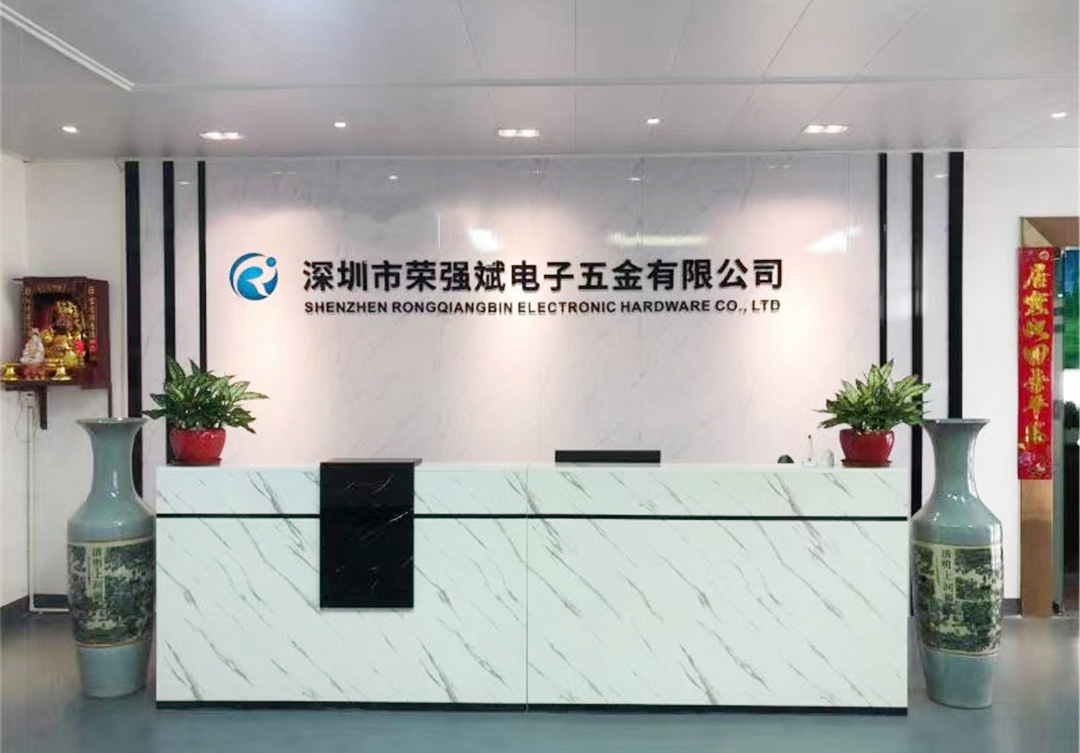
A leading GBA manufacturer of premium spring contacts, connector terminals, and customized hardware components.
Founded in February 2011 in Songgang Street, Shenzhen, Shenzhen Rongqiangbin Electronic Hardware Co., Ltd. has established itself as an industry leader in POGO PIN connector manufacturing. Located in the highly connected Guangdong-Hong Kong-Macao Greater Bay Area, our 10,000+ sqm factory is optimized for high-volume supply chain support across China, Indonesia, and global markets.
Our commitment to quality is reinforced by our ISO9001:2015 version international authoritative quality management system certification. With a dedicated quality control team and environmentally compliant raw materials, our products satisfy rigorous RoHS and REACH directives, ensuring frictionless import compliance for Indonesian electronics plants.
We work closely with global tech giants to engineer custom interconnects. Our customer list includes premier names such as Honeywell, Samsung, SIEMENS AG, ZTE, 360, QCY, HAYLOU, Shanghai Laimu, Luxshare Group, and Amphenol Group, standing as a testament to our manufacturing capability and reliability.

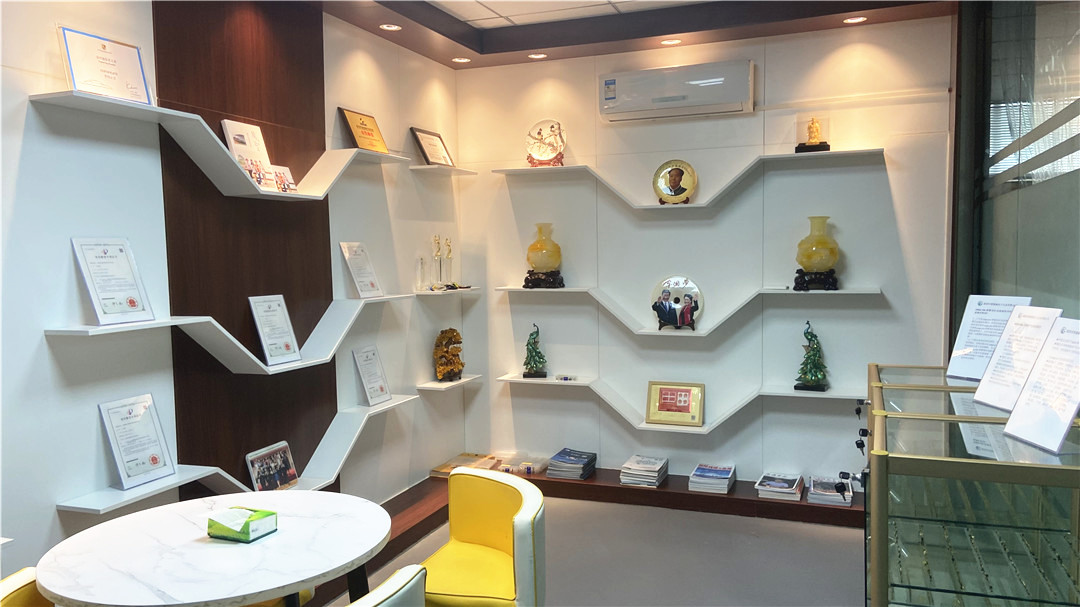
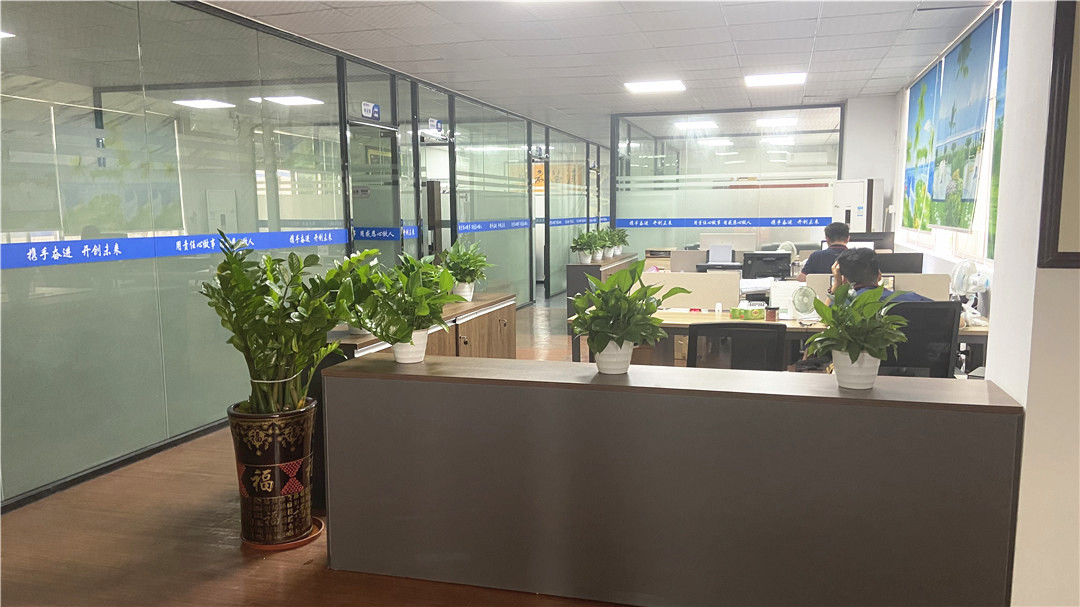
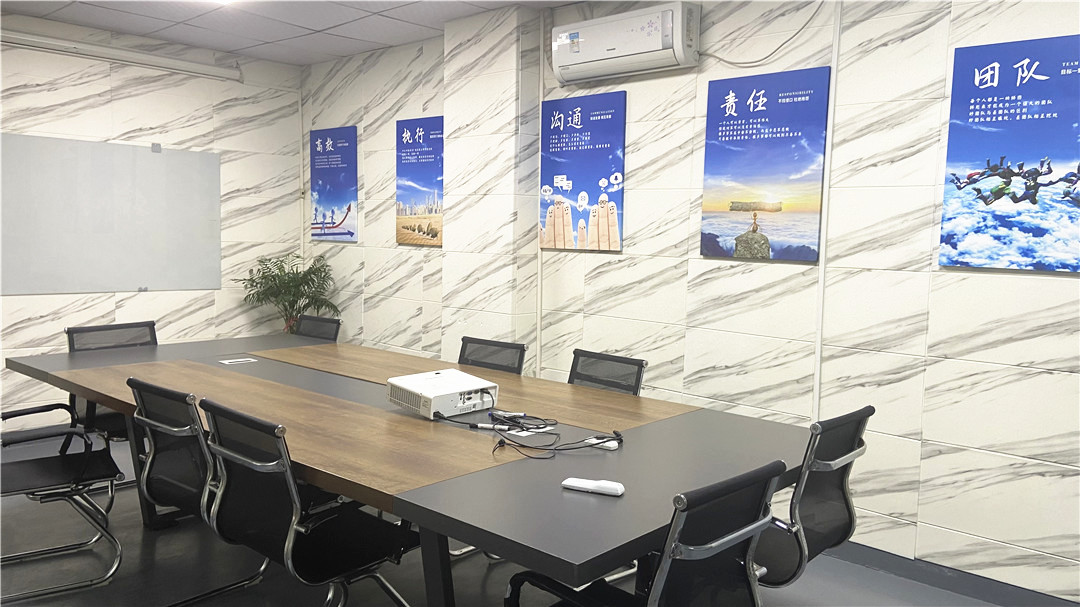
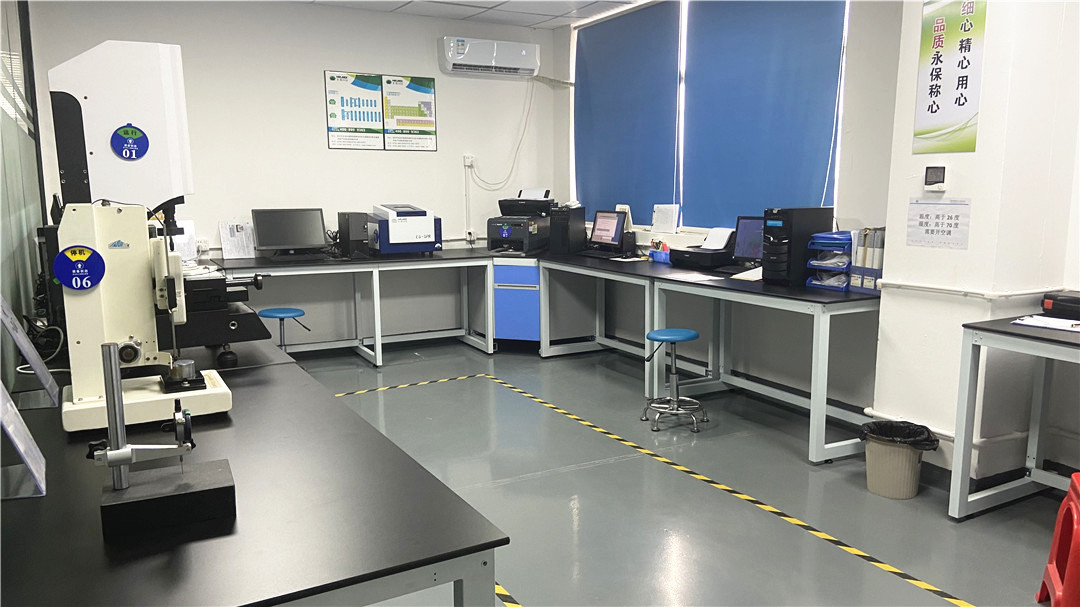
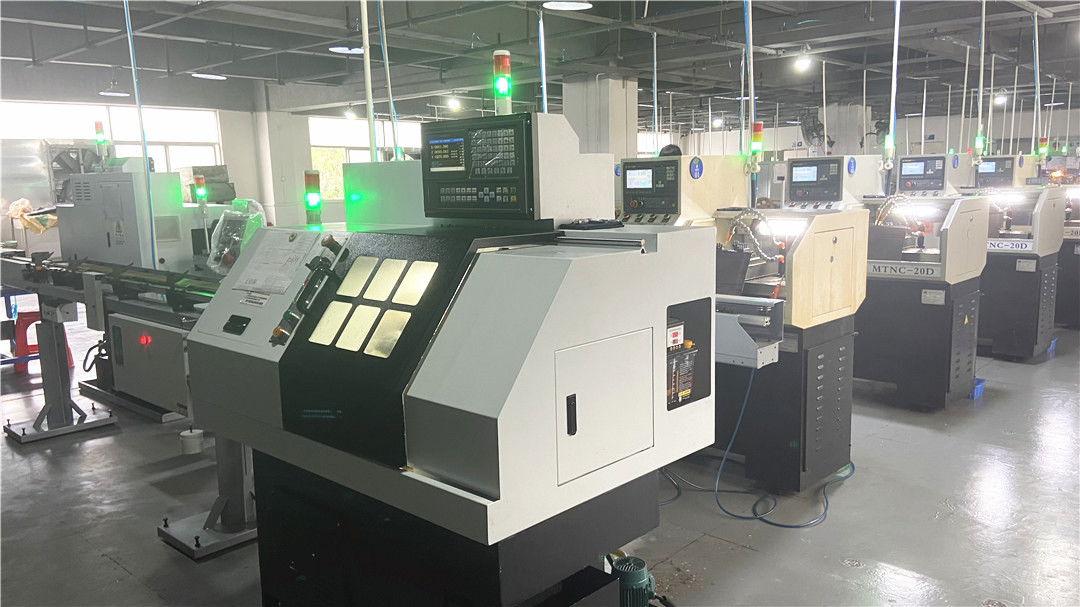
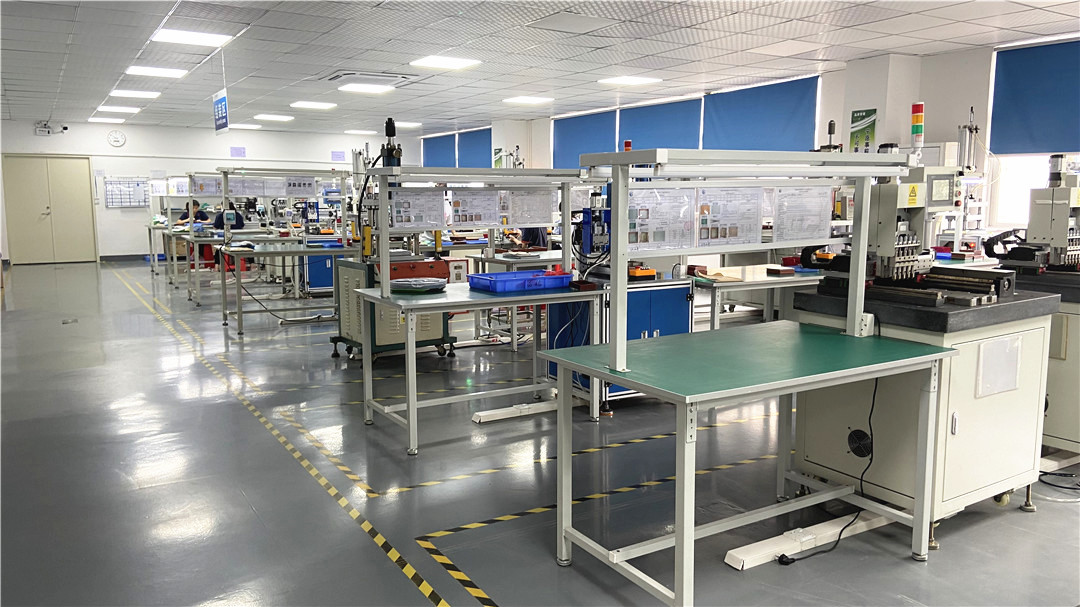
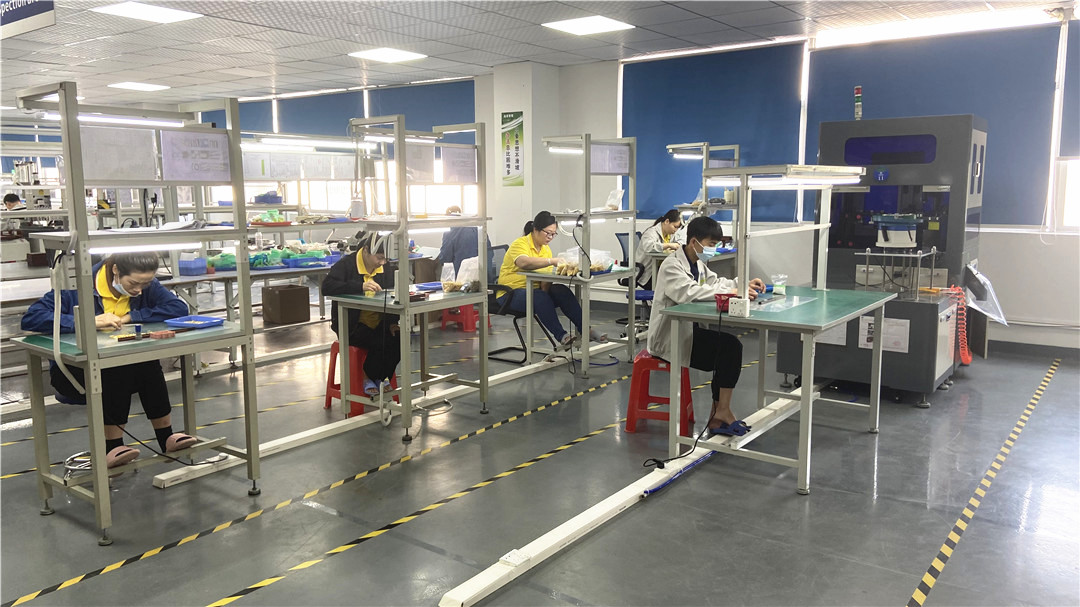
Committed to being an excellent global POGO PIN manufacturer, leading connector technology development with unmatched quality-cost balance.
Deploying rugged electronic connector assemblies across high-end consumer tech, automotive, and logistics infrastructure in Indonesia.
Designed for wristbands, smartwatches, smartphones, digital cameras, and Bluetooth headsets requiring ultra-low contact resistance and compact form factors.
High-current automotive charging pins and sensor connector assemblies designed to meet the rigorous safety demands of Indonesia's emerging EV ecosystems.
Highly durable, corrosion-resistant connector nodes capable of maintaining continuous connectivity under high vibration, moisture, and temperature fluctuations.
Rongqiangbin leverages advanced CNC Swiss-type automatic lathes and automated assembly lines to ensure micron-level manufacturing precision. Operating out of Shenzhen allows us to draw upon the world’s most comprehensive raw material ecosystem, enabling rapid prototyping (24-48 hours) and seamless production scaling.
For our purchasing partners in Indonesia, this translate directly to substantial cost reductions and supply chain insurance. By utilizing direct shipping lanes from Shenzhen Port to Tanjung Priok (Jakarta) and Batam Port, we guarantee fast transit times and reliable component availability.
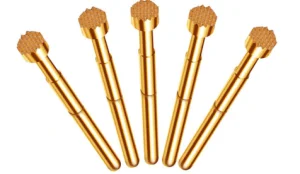
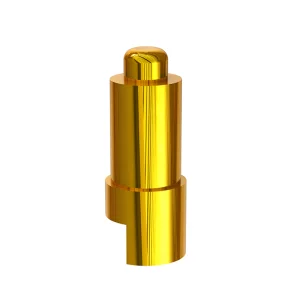
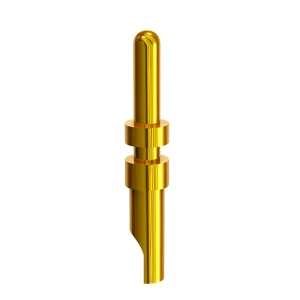
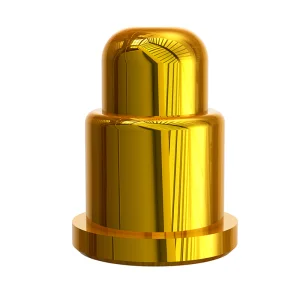
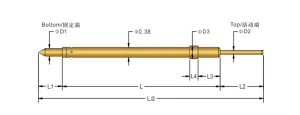
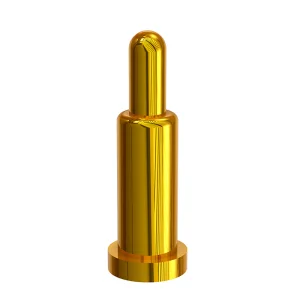
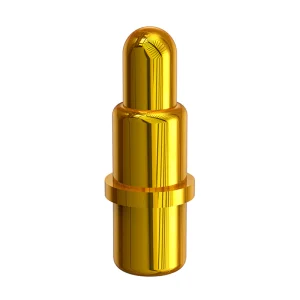
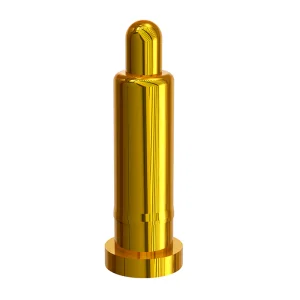
Select from our industry-proven product configurations, optimized for high durability, excellent current carrying capacity, and reliable solder joints.
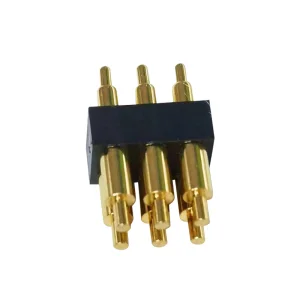
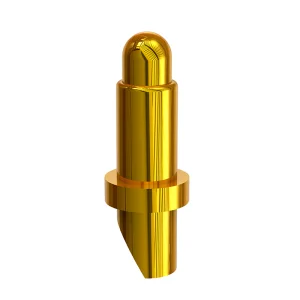
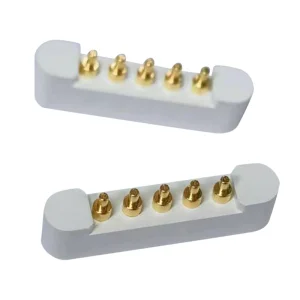
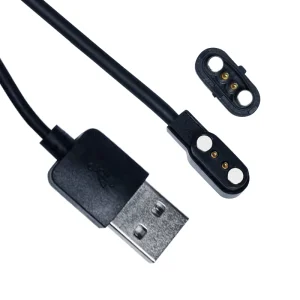
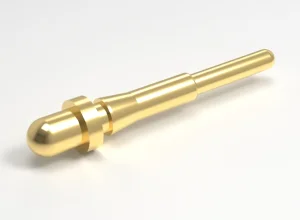
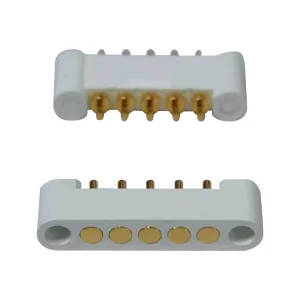
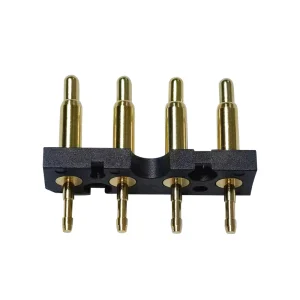
Expert answers addressing the integration of soldering wires and pogo pin spring contacts in modern electronics assembly.
Partner with Rongqiangbin for ISO9001:2015 certified spring contacts, specialized connector pins, and customized hardware components. Get technical advice and quote options tailored for your plant in Indonesia.
Send Inquiry Now Rongqiangbin