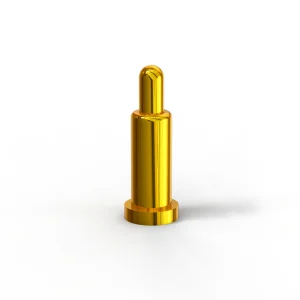
Explore our highly specified product range optimized for surface mount, through-hole, and magnetic connection applications.
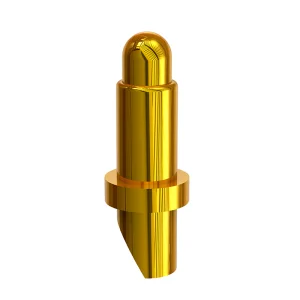
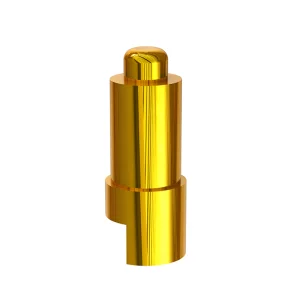
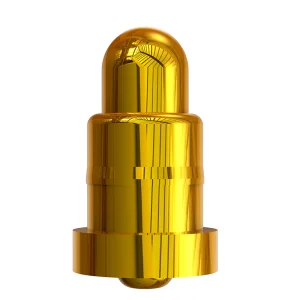
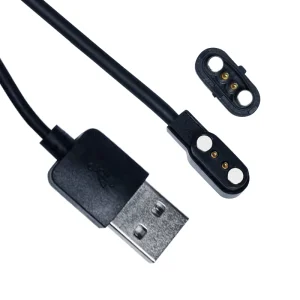
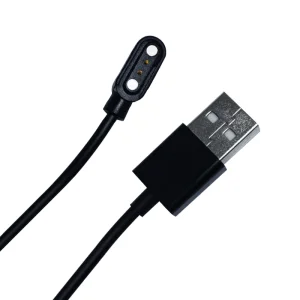
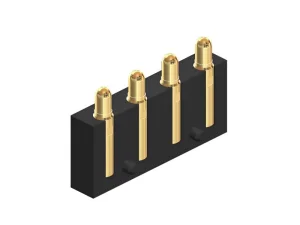
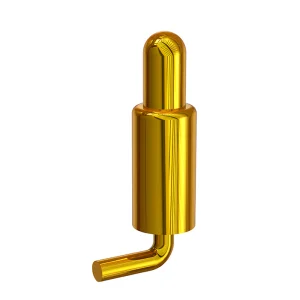
In modern electronic manufacturing, the quest for highly reliable, miniaturized interconnect mechanisms has positioned the spring-loaded connector—commonly referred to as a pogo pin—as a critical component. Designing for manufacturability (DFM) demands an intimate understanding of how to mount pogo pins efficiently. A failure in the mounting method can compromise signal integrity, increase contact resistance, and lead to catastrophic joint failure.
For hardware procurement teams and product design engineers, the challenge is two-fold: finding a cheap how to mount pogo pins factory that delivers high-volume production without sacrificing micrometer-level tolerances. Achieving "cheap" or cost-optimal production is not about lowering quality standards; rather, it is about implementing optimized mounting methodologies (such as high-speed SMD processes) and utilizing advanced automated assembly factories that minimize waste and manual labor.
Unlike generic connection systems, a pogo pin contact requires exact vertical alignment and calculated spring compression. Understanding the mechanical tolerances, plating thickness (typically gold-over-nickel), and thermal endurance of the housing plastic (like LCP or Nylon 9T) is the difference between a product lasting 10,000 cycles versus 1,000,000 cycles.
Across the automotive, consumer electronics, medical device, and defense telecom industries, global procurement demands have shifted from purchasing standard connectors to custom-engineered mating systems. Buyers in the European Union and North America prioritize compliance with RoHS, REACH, and ISO certifications, alongside absolute reliability.
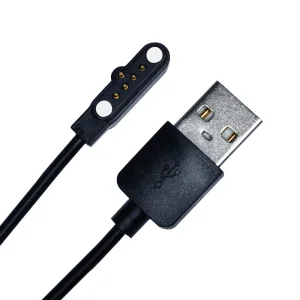
To balance the total cost of ownership (TCO), leading brands build long-term partnerships with dedicated Chinese factories that operate at the cutting edge of Industry 4.0. Hardware ecosystems depend on reliable supply chain partners who can offer both design agility (such as custom 2-pin magnetic charging layouts) and reliable mass manufacturing.
Choosing the right mounting method determines the structural strength and electrical stability of your connection. Below are the primary methodologies utilized in modern PCB design:
The most common method for high-volume consumer tech. Pins are placed on solder paste and reflowed. Requires pick-and-place caps.
Pins pass through the PCB board and are soldered underneath. Offers superior mechanical strength and lateral shear resistance.
Ideal for edge-connections and compact side-charging setups. Maximizes horizontal space utilization on thin devices.
Relies on friction and precise mechanical interference. Often used in high-precision testing fixtures or cleanroom environments.
| Mounting Method | Mechanical Strength | Assembly Speed | Cost at Scale | Ideal Application |
|---|---|---|---|---|
| Surface Mount (SMT) | Moderate | Ultra-High (Automated) | Very Economical | Wearables, IoT Devices |
| Through-Hole (THT) | Exceptional | Moderate | Low-to-Medium | Military Electronics, Power |
| Right-Angle (SMD/THT) | High | High | Medium | Smartwatch Charging Docks |
| Double-Row Custom Assembly | Very High | Medium-High | Volume Dependent | High-speed Data transfer |
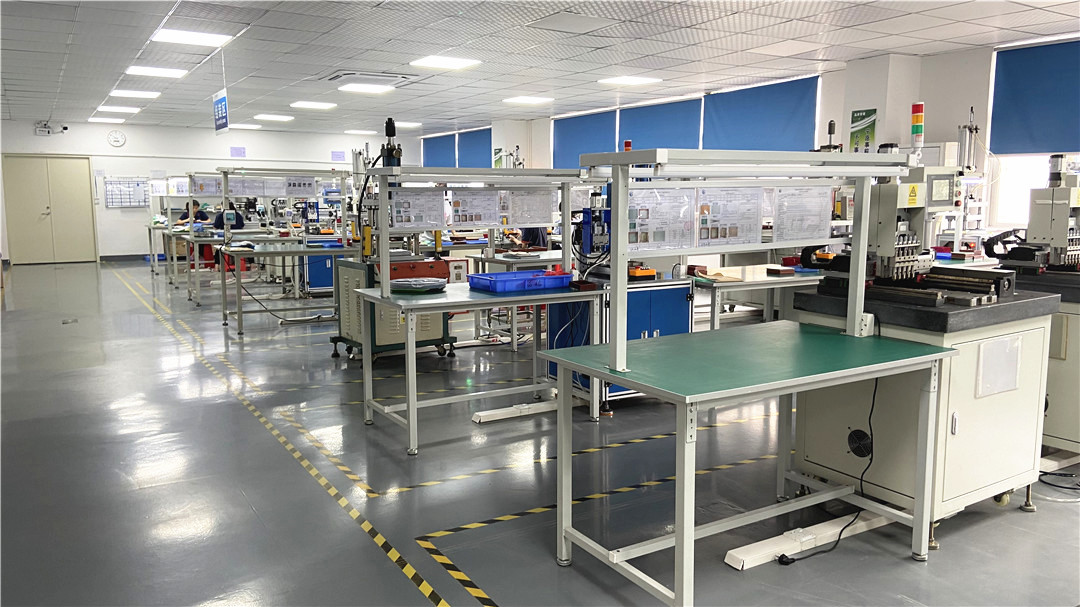
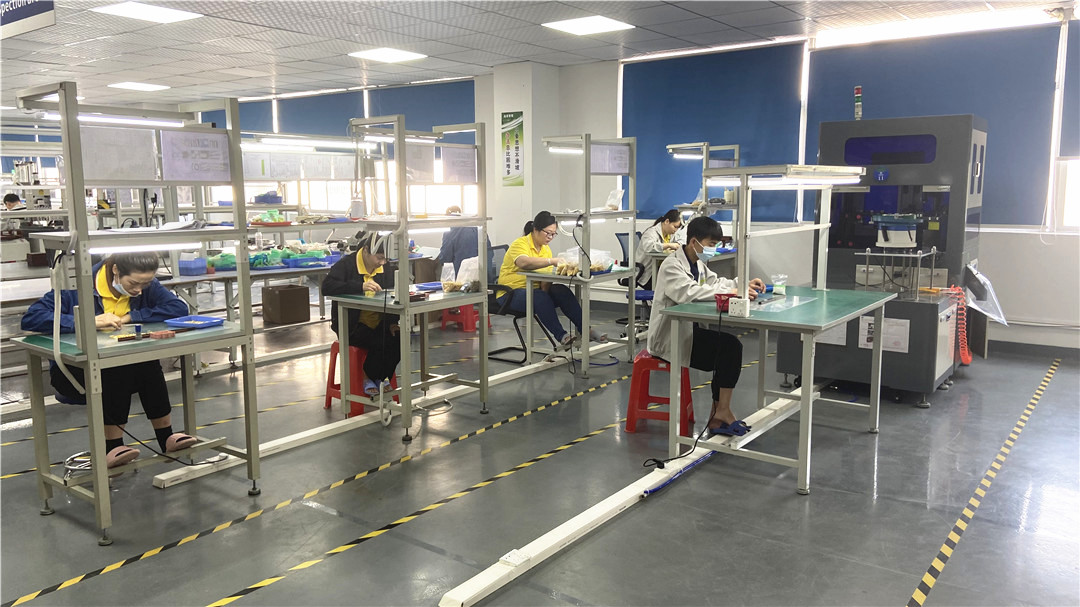
Shenzhen, at the heart of the Guangdong-Hong Kong-Macao Greater Bay Area, represents the global epicenter of precision hardware manufacturing. By leveraging advanced manufacturing technology, Chinese factories have transitioned from manual workshops to highly automated smart facilities.
This automation directly translates into cost savings. A cost-effective (cheap) pogo pin factory is one that utilizes:
A premier Chinese manufacturing partner located in Songgang Street, Shenzhen, leading pogo pin connector design and innovation since 2011.
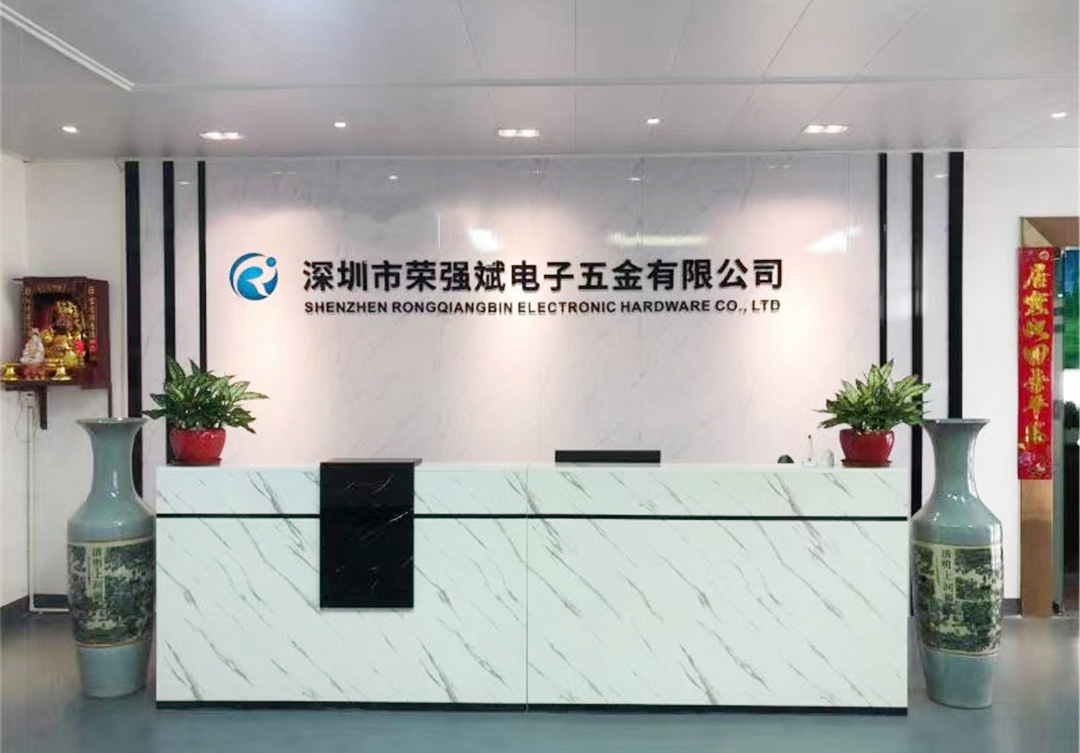
Founded in February 2011, Shenzhen Rongqiangbin Electronic Hardware Co., Ltd. has established itself as an industry leader in developing, producing, and selling high-quality POGO PIN (spring thimble) connectors. Grounded in our corporate spirit of "customer first, integrity first" and our operational concept of "excellent quality, intimate service", we focus on delivering maximum value to our customers.
Operating under the strict quality controls of our certified ISO9001:2015 international quality management system, our strong technical and environmental management teams ensure all products meet global environmental standards. Our elite customer list includes top-tier enterprises such as Honeywell, Samsung, SIEMENS AG, ZTE, 360, QCY, HAYLOU, Shanghai Laimu, Luxshare Group, Aoni Electronics, and Amphenol Group.
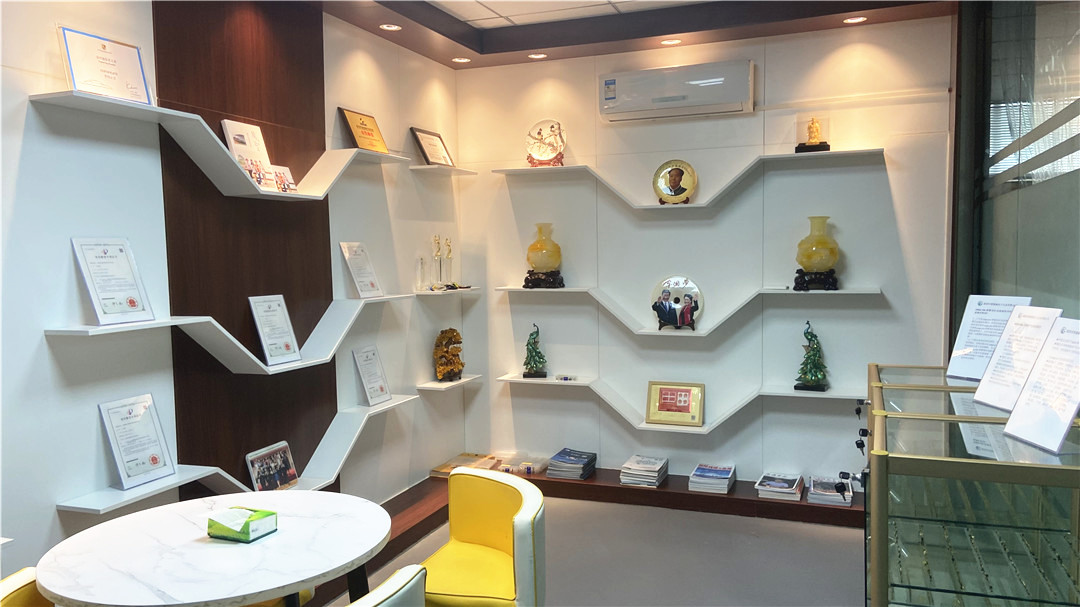

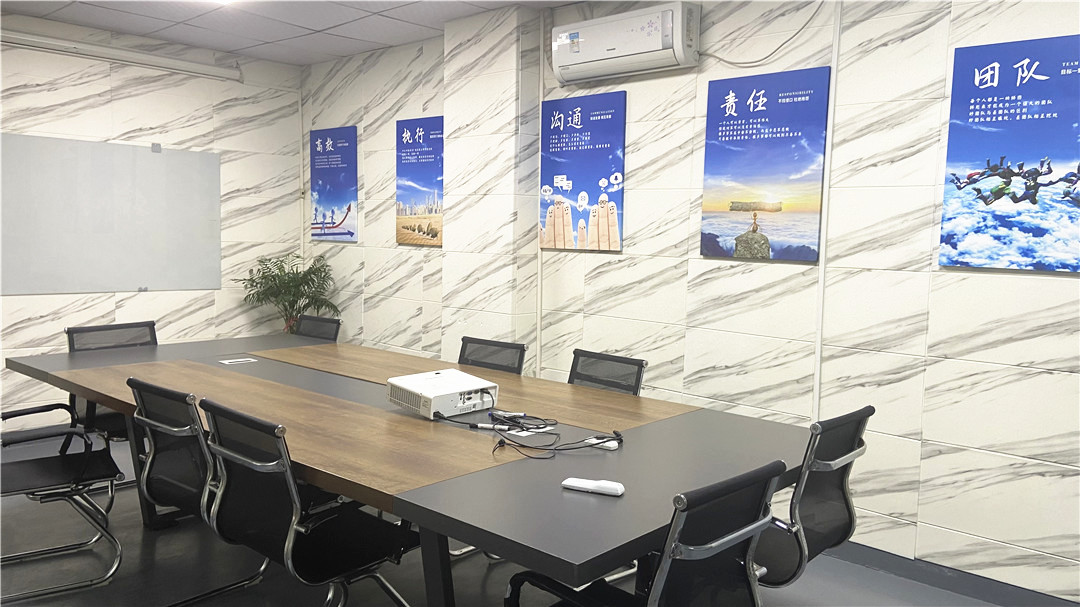
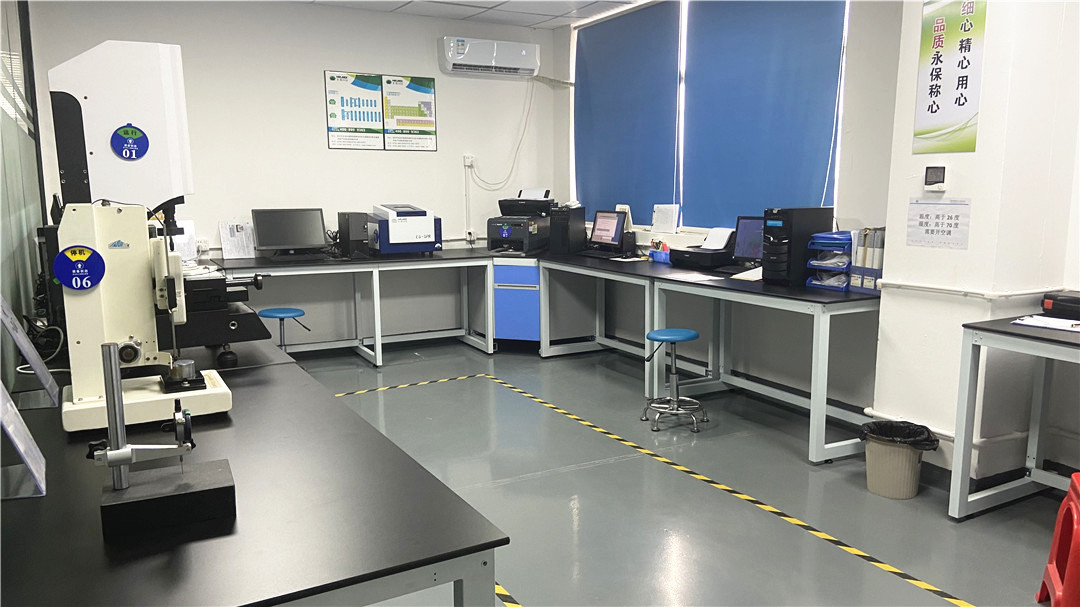
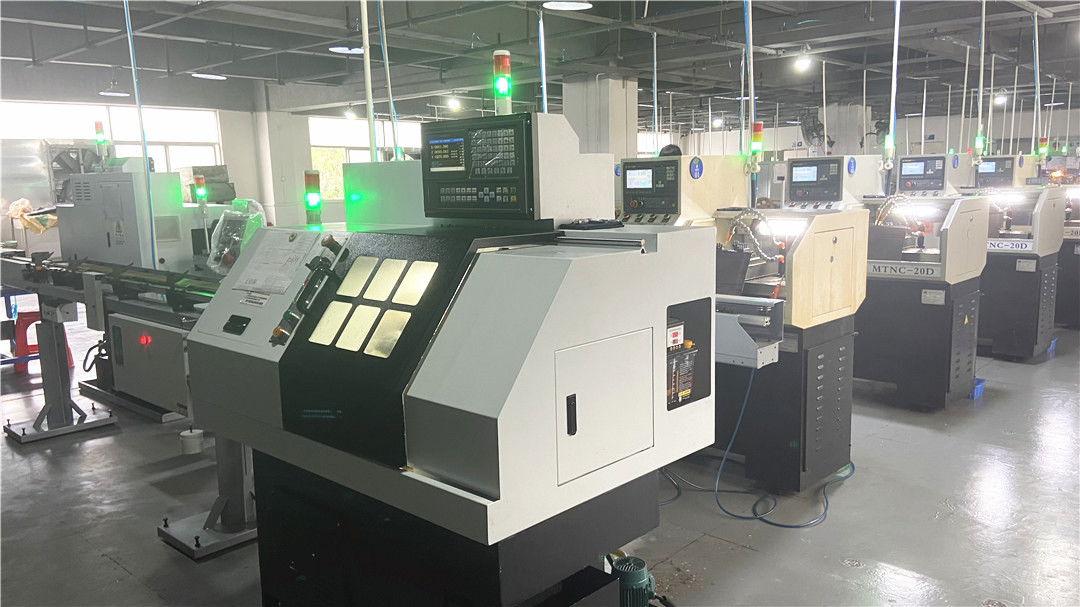

Our strategic vision is to serve as an exceptional POGO PIN manufacturer at the intersection of quality and cost, both at home and abroad. By leading the charge in connector technology development, we help clients build reliable hardware platforms that perform flawlessly in the field.
Due to their space-saving design and high mating tolerance, spring-loaded pins have become the connector of choice across several key markets:
When sourcing from a factory, engineers should pay close attention to several design metrics to prevent failures during field operation:
Always target the designated working height. Squeezing a pin past its maximum stroke limit risks damaging the internal spring coil. Conversely, insufficient compression can lead to intermittent electrical contact and signal drops, especially in vibration-prone environments.
Standard gold plating provides exceptional corrosion resistance and high conductivity. When choosing materials, pair them wisely with the contact pad alloy to prevent galvanic corrosion. For sweat-exposed wearables, specify higher gold-plating thickness (up to 30 micro-inches) and specialized biocompatible barriers.
Always request reliability reports from your supplier, including salt spray resistance testing, force-stroke curves, and contact resistance data over the product's lifespan. An open-book manufacturer like Shenzhen Rongqiangbin provides these verification sheets as standard documentation for all custom projects.
Answers to common design and sourcing questions from engineers and procurement teams.
Select our customized connector series designed to support next-generation hardware designs.
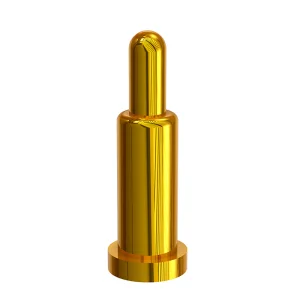
 Rongqiangbin