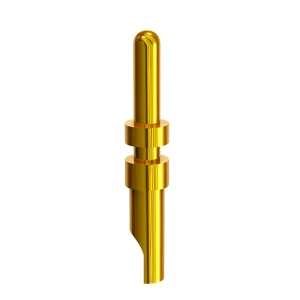
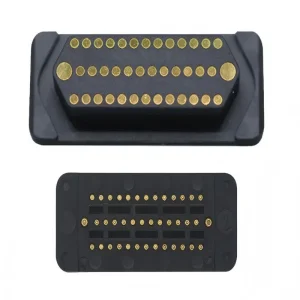
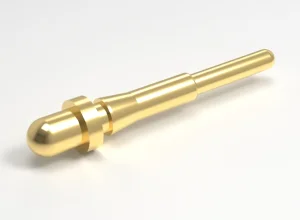
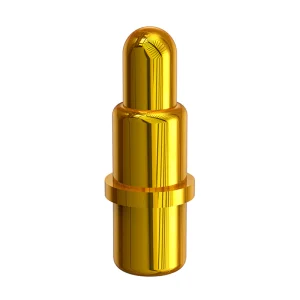
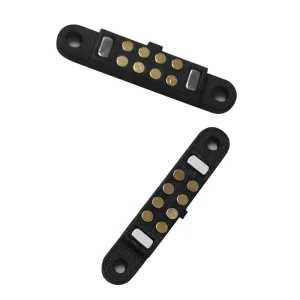
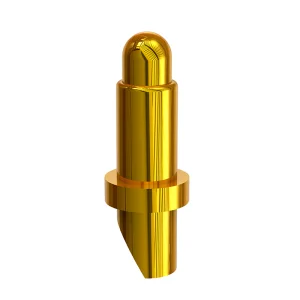
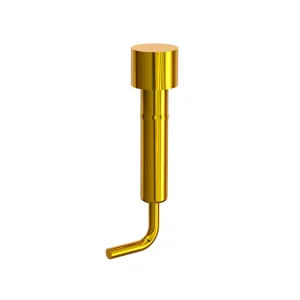
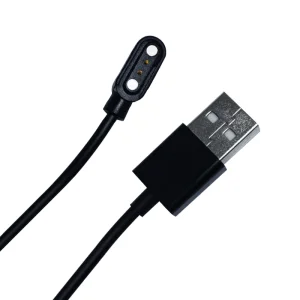
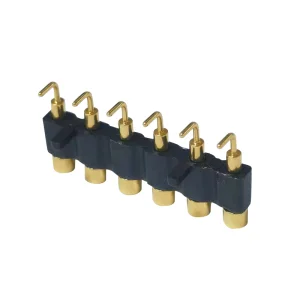
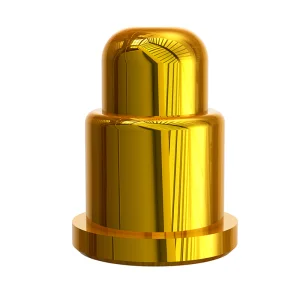
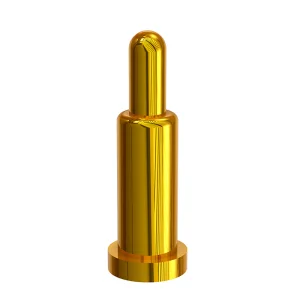
Examine our advanced board-level interfaces, custom spring contacts, and robust charging configurations built for sub-millimeter tolerances.
Located in Shenzhen, the leading core city of the Guangdong-Hong Kong-Macao Greater Bay Area (GBA).
Founded in February 2011 in Songgang Street, Shenzhen, Rongqiangbin (RQB) has dedicated over a decade to the advanced engineering, development, and high-volume manufacture of Pogo Pin connectors. Through relentless technical development and optimization, we have grown into an industry-leading manufacturer trusted by global technology corporations.
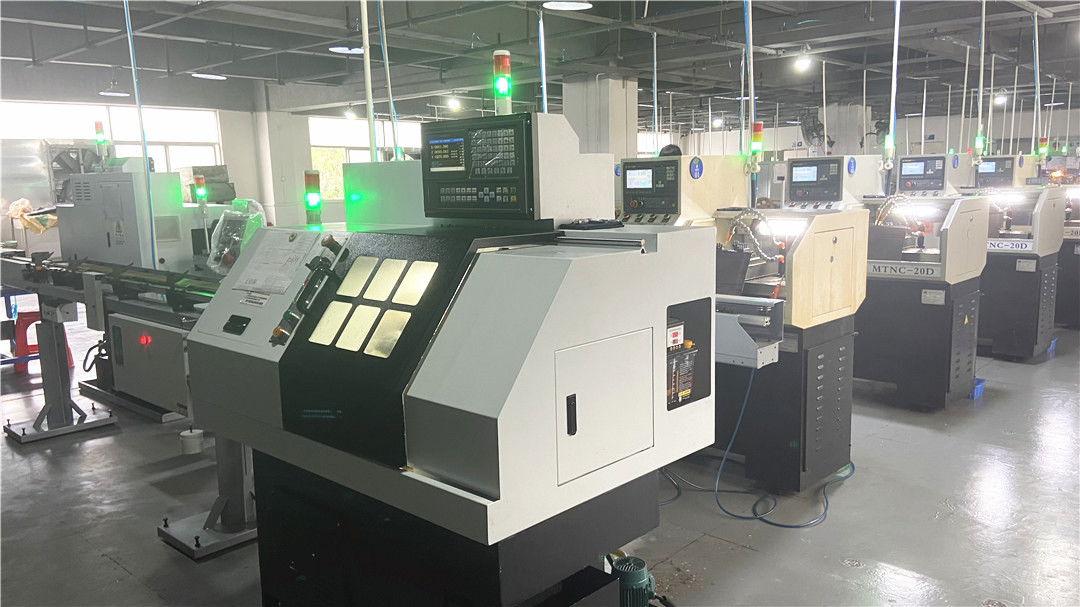
Our core capabilities center on high-precision mechanical turning, advanced plating technologies, and automated assembly solutions. We work closely with our partners to supply high-reliability electrical interfaces that excel under extreme environmental conditions.
Guided by our core tenet of "Customer First, Integrity First", RQB has established strategic partnerships with global OEMs including Honeywell, Samsung, Siemens AG, ZTE, 360, QCY, Haylou, Shanghai Laimu, Luxshare Group, Aoni Electronics, and Amphenol Group.
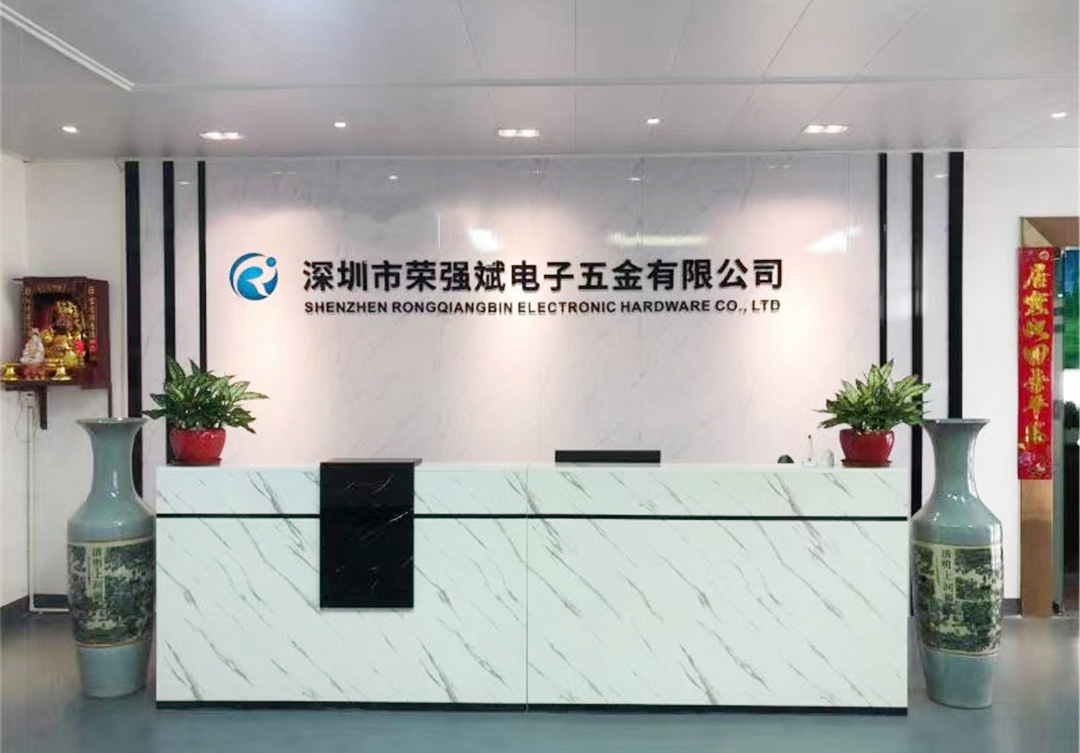
A look inside our ISO 9001:2015 certified infrastructure. From automated micro-lathes to advanced R&D testing labs, we maintain tight control over every production phase.
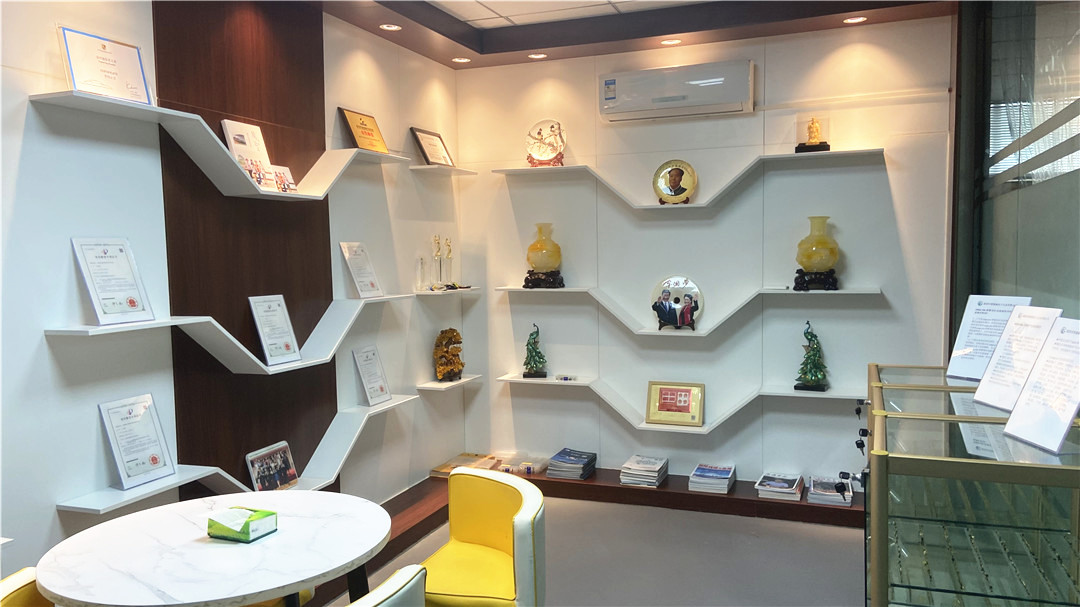
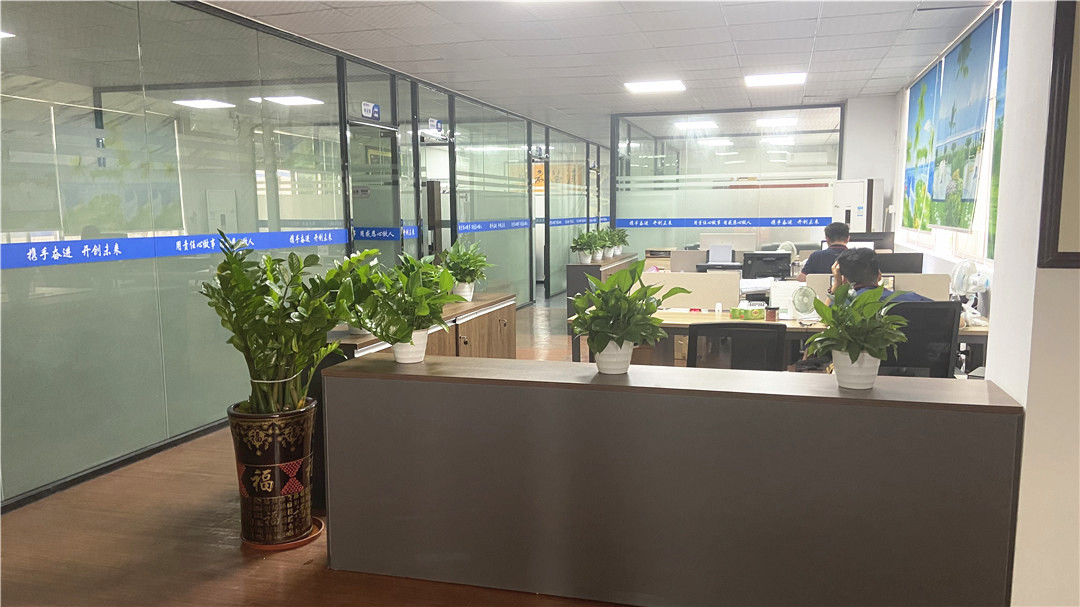
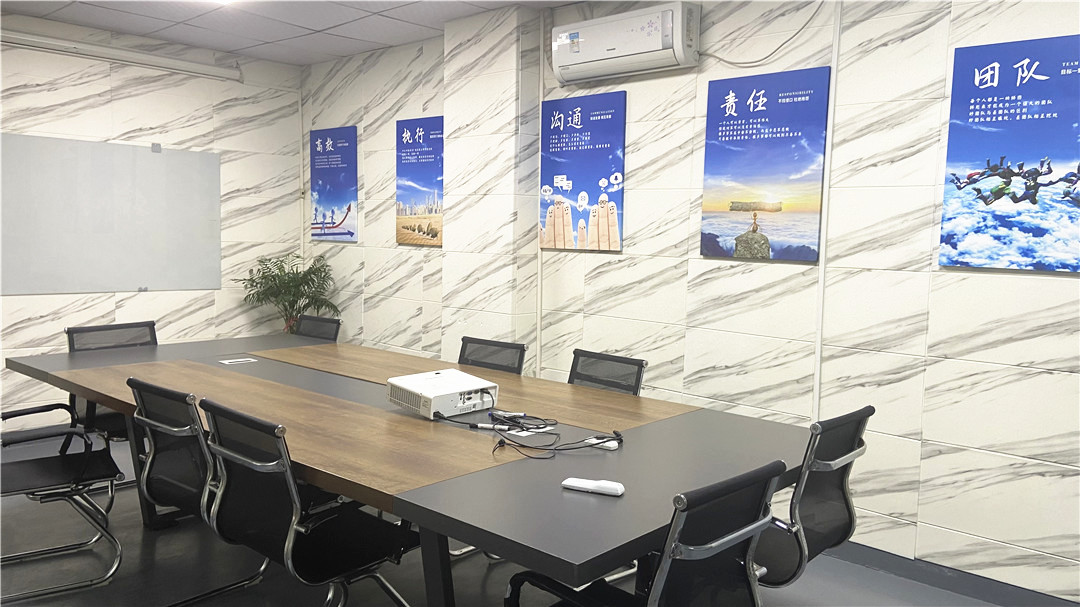
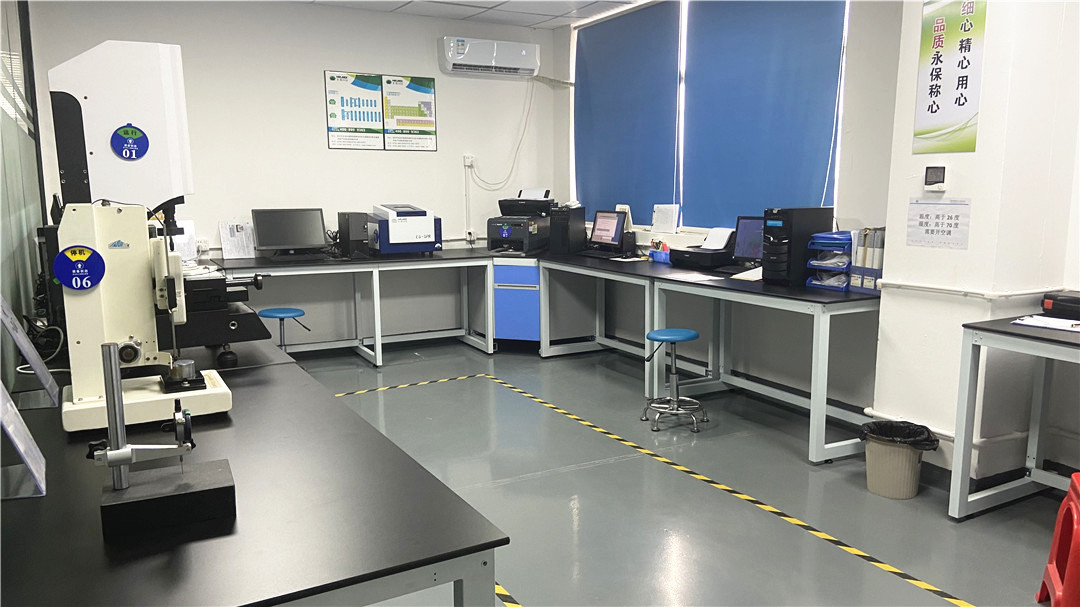
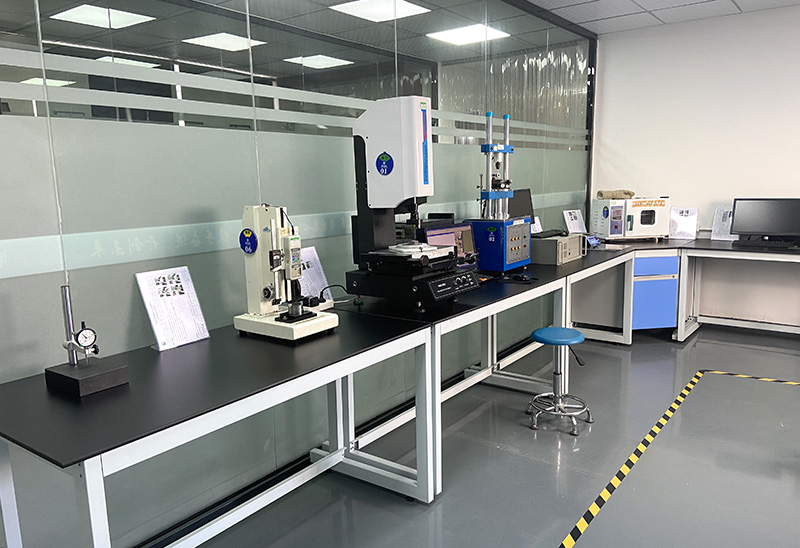

"Committed to being an excellent POGO PIN manufacturer for both quality and cost, home and abroad, and leading connector technology development."
To realize this vision, we continuously invest in high-precision automated manufacturing equipment and advanced analysis instruments. By maintaining strict quality and environmental management controls, we ensure every terminal block, probe, and custom connector interface delivers long-term reliability.
An engineering whitepaper on spring-loaded interfaces, electrical performance optimization, and global supply chain integration.
In modern electronics, test probe connectors (commonly referred to as Pogo Pins or spring thimbles) are critical for establish dynamic, demountable electrical paths. Unlike traditional blade or pin-and-socket connectors, pogo pins feature a plunger, an internal spring, and a barrel, allowing for Z-axis compliance. This design accommodates mechanical tolerances, board warpage, and planar misalignments, making them ideal for high-speed automated testing (ATE) and docking interfaces.
The electrical performance of a spring-loaded interface depends heavily on its contact resistance (typically measured in milliohms). Factors that influence this include plunger tip geometry, spring force, and internal plating structure. Our engineering processes utilize high-purity brass alloys (C3604) for the barrel and plunger, combined with beryllium copper (BeCu) or stainless steel (SUS) for the spring. This configuration ensures consistent contact force throughout the service life of the connector.
Sourcing connectors from our Songgang, Shenzhen factory provides structural advantages for international procurement teams:
Surface finish quality is critical to preventing contact resistance degradation caused by oxidation and mechanical wear:
Serves as a diffusion barrier between the copper substrate and the outer gold layer, preventing substrate migration and improving wear resistance.
Provides excellent electrical conductivity, low contact resistance, and superior corrosion protection. Thicknesses can be configured up to 30 micro-inches.
Optional palladium-nickel (Pd-Ni) or platinum plating is available for harsh environments with high insertion cycles or exposure to chemical agents.
Step-by-step manufacturing and quality control workflow at our Shenzhen production site.
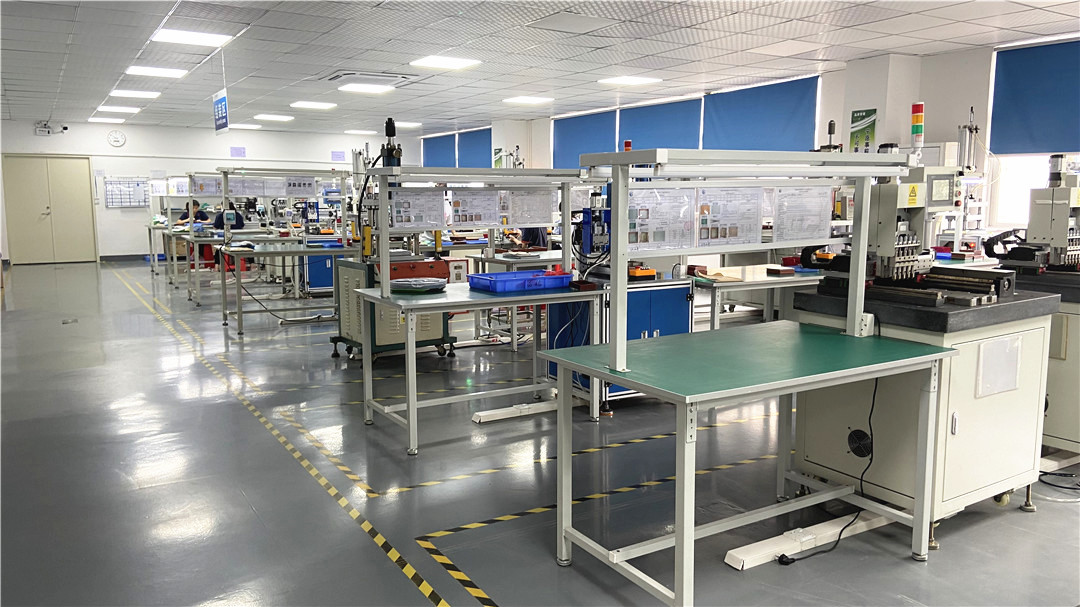
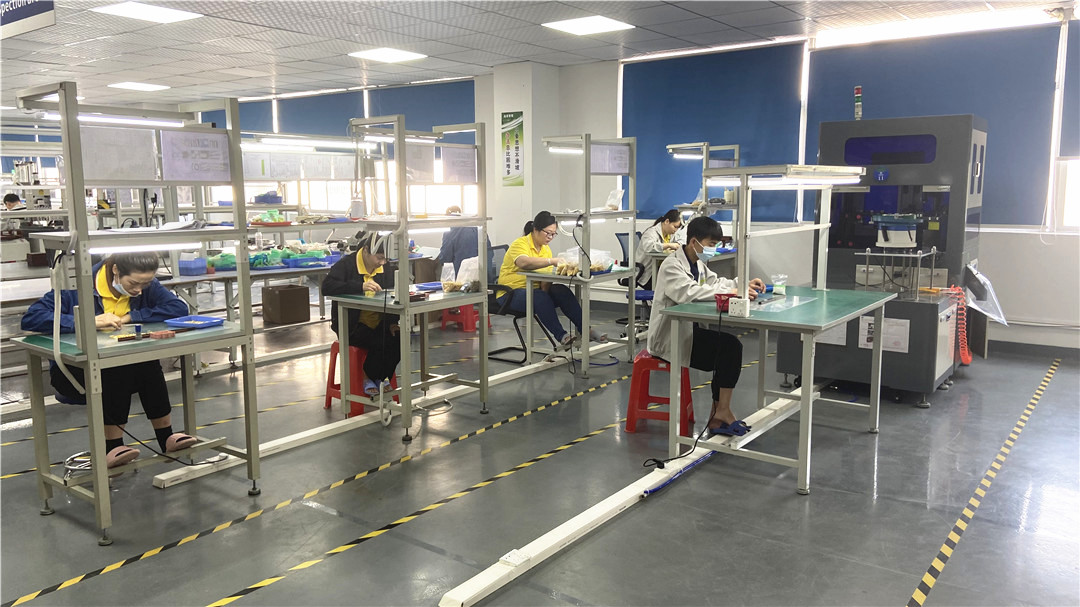
We operate under an ISO 9001:2015 quality management framework to maintain product reliability across production runs. Each manufacturing batch undergoes structured verification protocols:
Force-deflection curve mapping, mechanical cycle testing up to 1,000,000 actuations, and retention force measurement.
Contact resistance profiling, current rating capacity verification, and insulation resistance measurement.
Salt spray corrosion testing, high-temperature aging chambers, and solderability validation for automated SMT lines.
Our connectors are designed and deployed in demanding electronic systems worldwide.
Deployed in smartwatches, fitness trackers, and TWS Bluetooth earpieces. Featuring low-profile, corrosion-resistant gold plating that stands up to sweat exposure and skin contact.
Custom charging connections and signal pins designed for automotive applications. Engineered to withstand high vibration, thermal cycling, and mechanical stress.
Integrated into notebooks, magnetic USB-C docking hubs, and detachable keyboards. Provides reliable electrical connections under high insertion cycles.
Designed for diagnostic probes, handheld clinical equipment, and automated manufacturing sensors, prioritizing reliability and biosafety compliance.
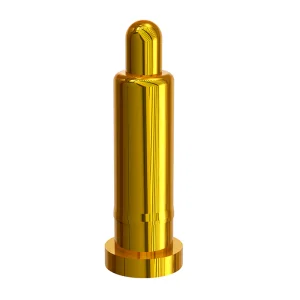
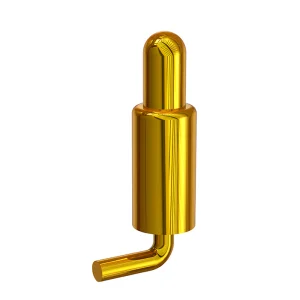
Examine our bending pins, multi-pole magnetic jacks, and SMT PCB socket variations.
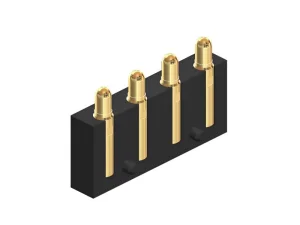
Evaluating key factors for selecting test probe connectors in high-frequency and high-current systems.
As smart device battery capacities increase, connectors must support higher currents (frequently exceeding 5A to 10A) without excessive thermal generation. Traditional pogo pin springs can act as inductors, causing signal distortion and rising temperatures under high current load.
To address this, we offer configurations with ball-point contacts, internal insulating beads, or specialized plunger designs that allow current to bypass the spring. This bypass channel routes the current directly from the plunger to the barrel, keeping contact resistance low.
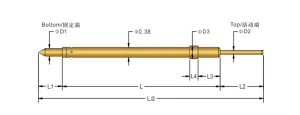
The expansion of high-density circuits in wearables and micro-electronic systems demands smaller pitches. Current packaging techniques require pogo pin configurations that operate at pitches as narrow as 0.4mm, needing precise engineering tolerances.
Our Swiss CNC lathes and automated microscopic assembly processes produce ultra-fine plungers and barrels. This precision ensures consistent mechanical performance and reliability even in sub-millimeter applications.
Answers to common engineering and procurement questions regarding test probe connectors and pogo pins.
 Rongqiangbin