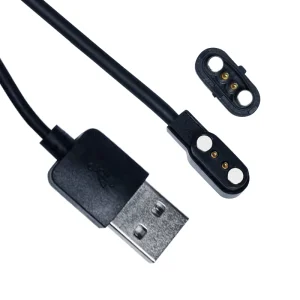
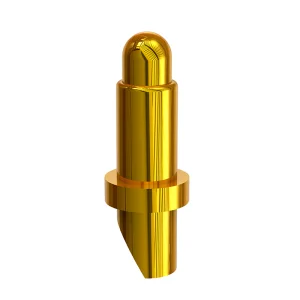
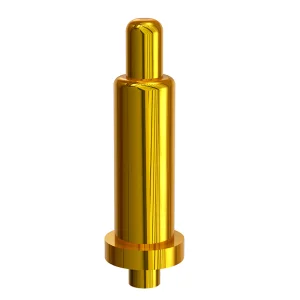
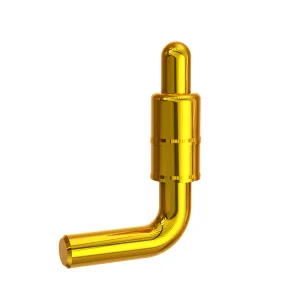
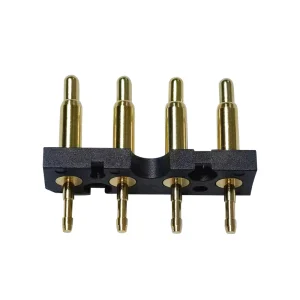
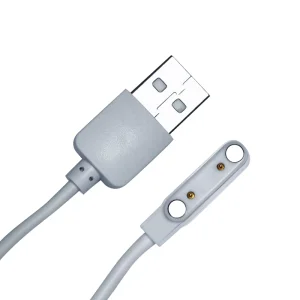
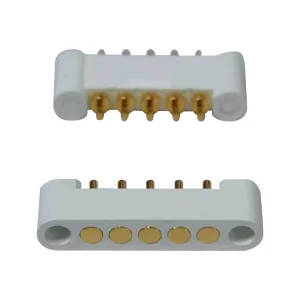
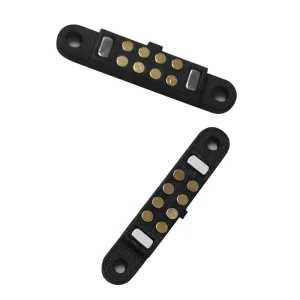
Explore our flagship engineered waterproof magnetic charging components and customized spring-loaded connector assemblies.
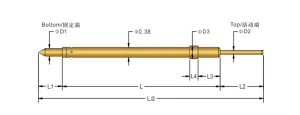
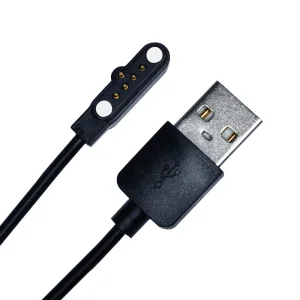
In the modern engineering landscape, the request for reliable, ergonomic, and sealed data-and-power interfaces has driven the rapid evolution of waterproof magnetic connectors. Primarily built upon spring-loaded contact interfaces (commonly referred to as Pogo Pins), these connectors merge magnetic alignment with mechanical compliance. The integrated design features automatic blind-mating capability, quick-release emergency breakaways, and complete environmental sealing protection, making them the standard choice for next-generation smart electronics, medical units, and industrial communication equipment.
However, global procurement managers often encounter a recurring dilemma: balancing strict reliability standards with aggressive cost-efficiency strategies. In the field of high-precision connector assembly, opting for a cheap waterproof magnetic connector does not necessitate sacrificing performance characteristics or lifecycle longevity. By optimizing tooling architectures, leveraging vertically integrated supply chains, and executing high-precision automated manufacturing workflows, top-tier Chinese manufacturers are delivering custom magnetic systems that meet the rigorous standards of global enterprises while remaining cost-competitive.
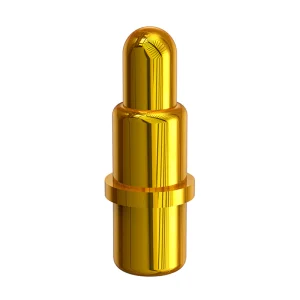
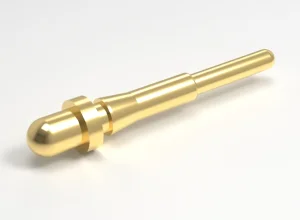
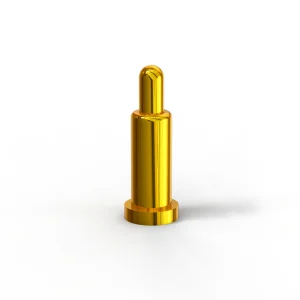
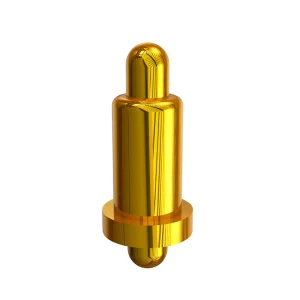
A high-grade magnetic pogo-pin connector consists of three critical sub-assemblies: the plunger, the barrel, and the internal spring, supported by high-coercivity permanent magnets (commonly Neodymium-Iron-Boron or NdFeB) and housed in specialized plastics (like LCP, HTN, or PBT). The mechanical integrity of a pogo pin depends on several key engineering aspects:
Magnetic polarities are custom-profiled to prevent incorrect insertion. Automatic alignment ensures seamless blind-mating, reducing user frustration and avoiding contact damage in light-constrained environments.
Should the cord be pulled or snagged unexpectedly, the magnetic latch breaks cleanly without causing mechanical stress to the device's internal PCB structure, reducing field returns.
Unlike standard female USB sockets that collect debris and lint, flat-faced magnetic target pins are easy to wipe clean, ensuring consistent surface contact and long-term corrosion resistance.
Founded in February 2011 | Songgang Street, Shenzhen | Leading City of the Guangdong-Hong Kong-Macao Greater Bay Area
Shenzhen Rongqiangbin Electronic Hardware Co., Ltd. stands at the forefront of spring-loaded connect technologies. Since our inception, we have dedicated our engineering focus to the development, manufacturing, and commercialization of high-performance POGO PIN (spring thimble) products and their magnetic derivative components.
By establishing our core operations in Songgang, Shenzhen, we leverage a highly mature electronics manufacturing cluster. Over more than a decade of focused operations, we have transitioned from a specialized component vendor into a leading global connector supplier. Today, our brand represents reliability, technological flexibility, and optimized cost efficiency, serving world-class corporate client networks.
"Committed to be an excellent POGO PIN manufacturer for both quality and cost on home and abroad, and leading connector technology development."
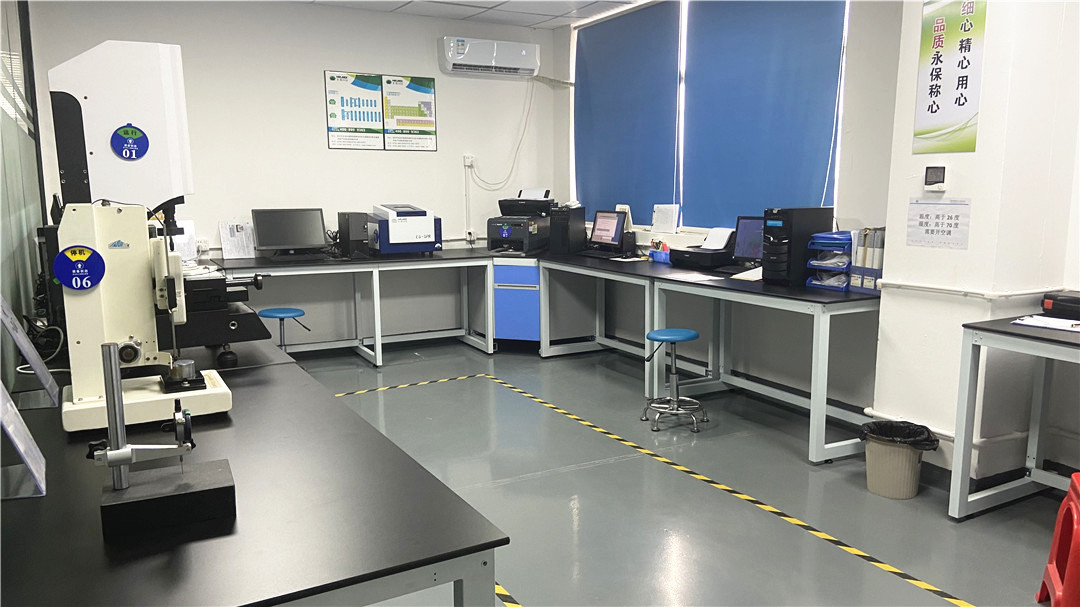
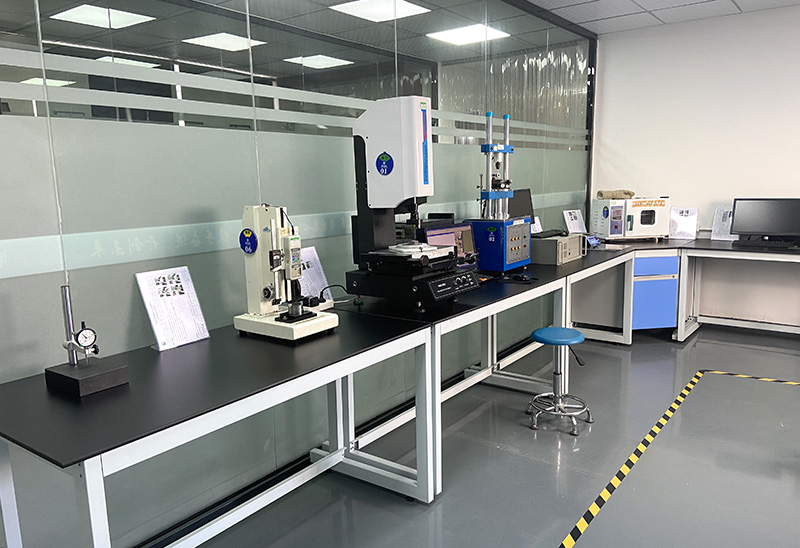
Our operational facilities are certified under the ISO9001:2015 version of the international quality management system standards. To ensure environmental compliance (including RoHS and REACH directives), we maintain strict material controls, state-of-the-art testing laboratories, and structured inspection checkpoints throughout the manufacturing line.
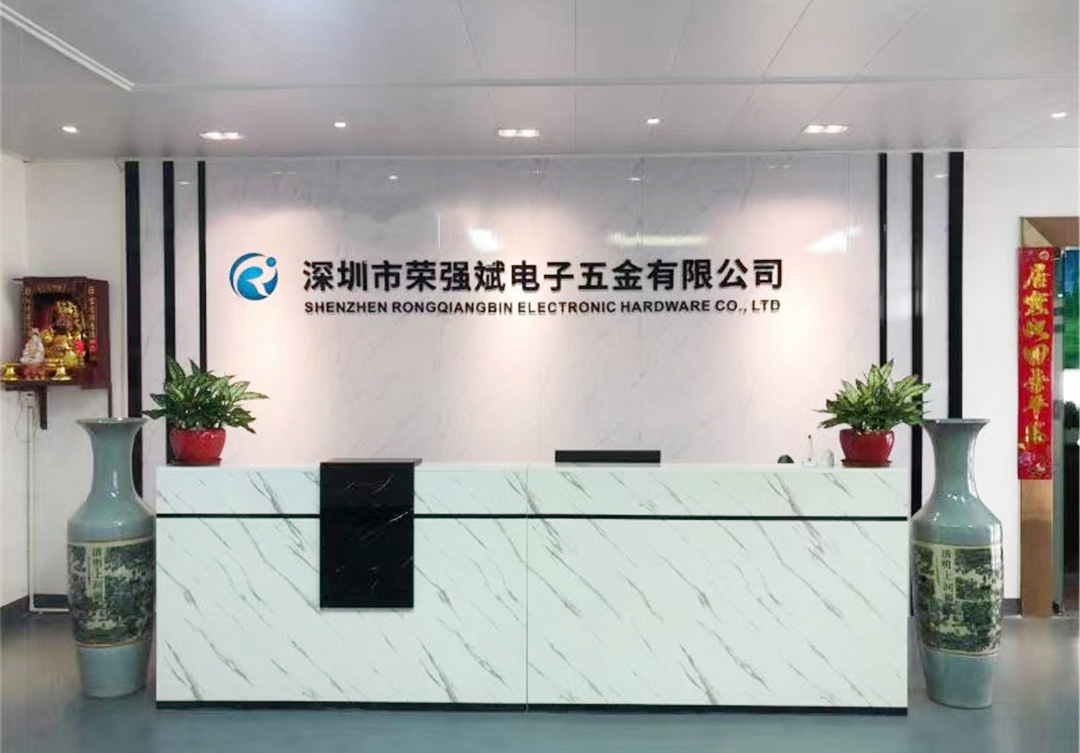
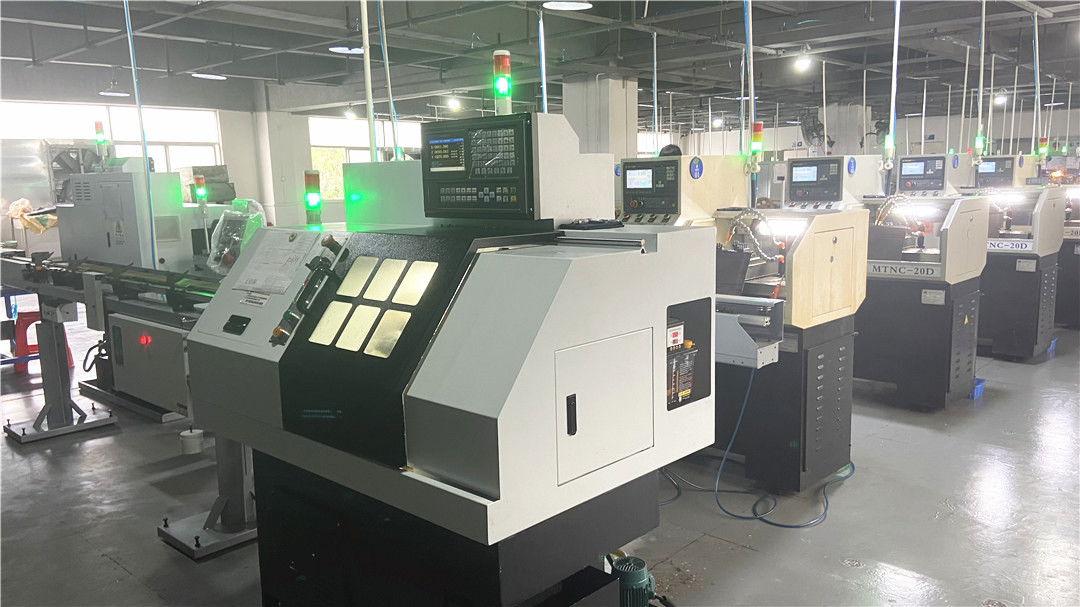
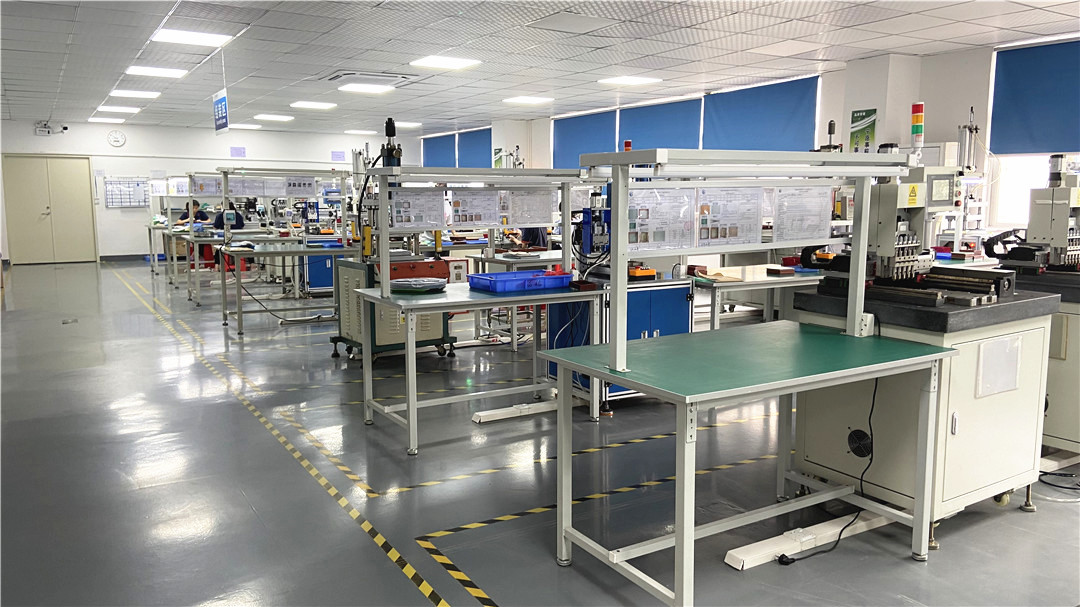
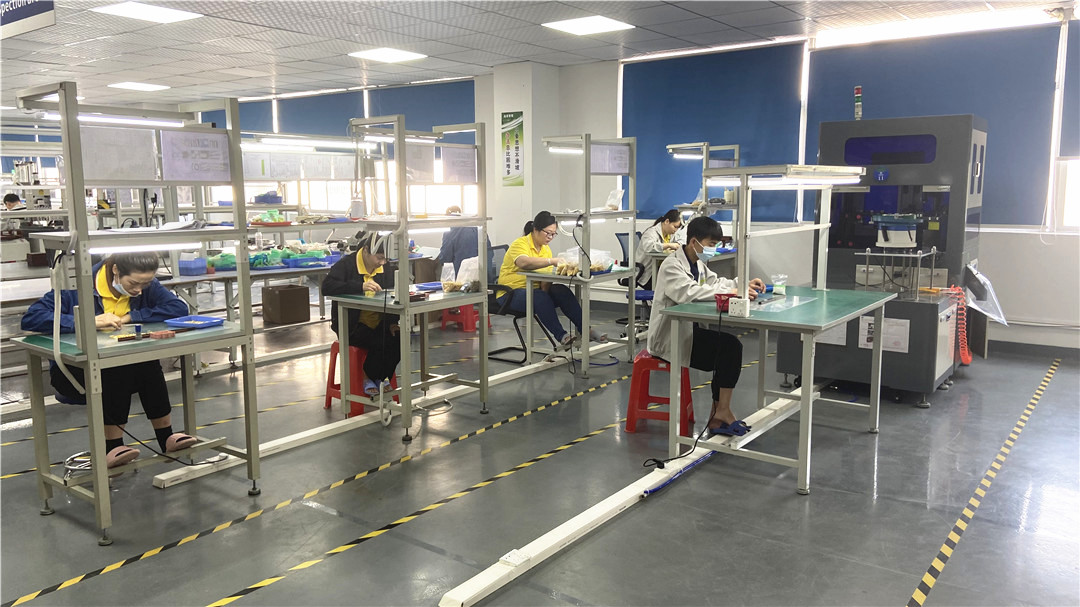
Take a look inside our specialized infrastructure in Shenzhen. From CNC micro-lathes to environmental simulation test labs, our physical footprint supports high-volume custom production.

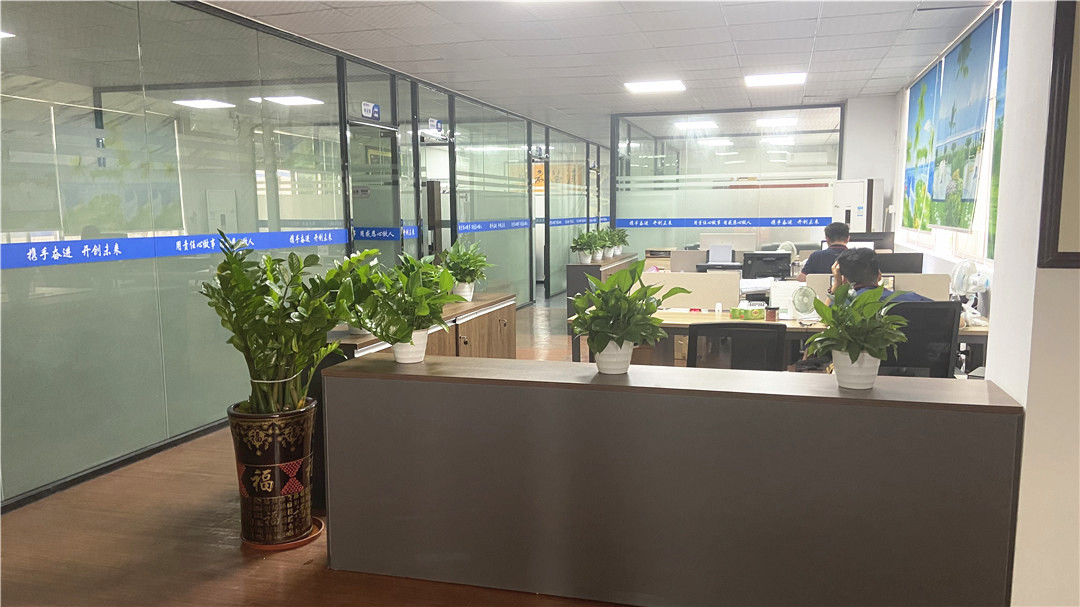
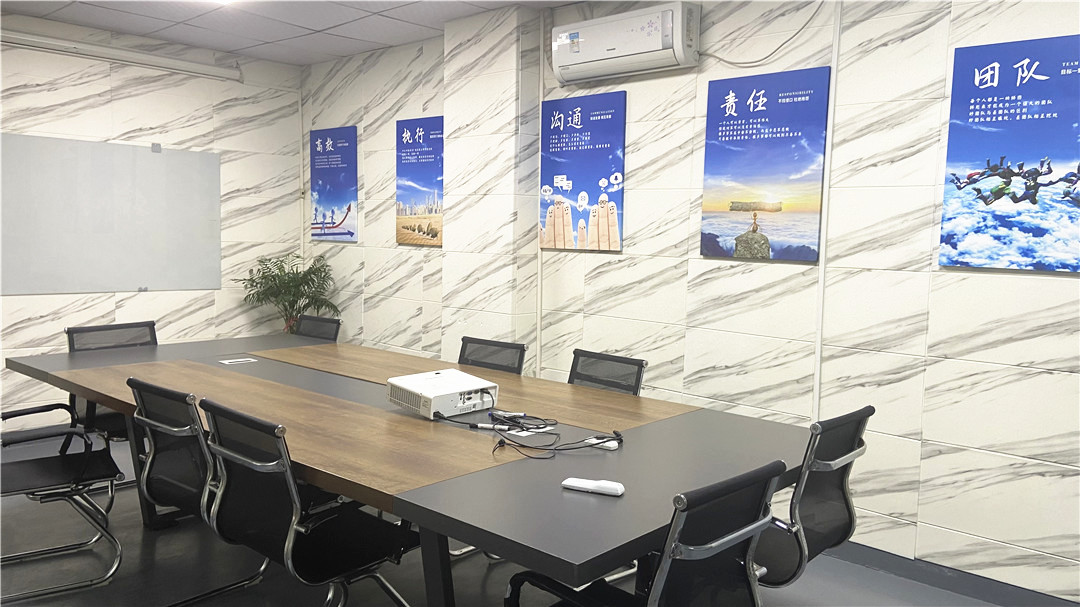

Our commitment to quality and service has made us a trusted supplier to many of the world's leading brands. Rongqiangbin is proud to support the product development cycles of industry leaders in telecommunications, consumer electronics, and automotive engineering.
We work closely with global enterprises to provide customized components that meet strict performance requirements. Our primary customer roster includes:
The electronics industry is moving rapidly toward portless designs. Driven by consumer demand for thin devices, dust proofing, and submersibility, hardware designers are replacing traditional ports like Micro-USB, USB Type-C, and barrel jacks. This trend is particularly clear across three major sectors:
Smartwatches, fitness bands, and medical patches must withstand constant exposure to sweat, chlorinated pool water, and daily showers. Standard contacts are prone to galvanic corrosion when exposed to body moisture. Our gold-plated magnetic connectors resist chemical wear while maintaining a slim profile, helping brands design lighter, more durable wearables.
Medical devices require quick cleaning and disinfection. Exposed contact paths in traditional plug interfaces can harbor bacteria and moisture, making sterilization difficult. A flush-mount, magnetically coupled interface allows device bodies to be completely sealed with plastic or rubber covers, protecting internal circuitry during liquid sterilization procedures.
The transition toward electric micromobility (e-bikes, e-scooters) and electric cars requires highly robust, high-amperage contact interfaces. Standard plug-and-socket configurations can suffer from pin misalignment under field vibration. Our heavy-duty spring-loaded charging pins automatically self-center, ensuring stable electrical contact even on rough terrain.
Our custom product lines are designed to perform reliably in a variety of environments:
Provides secure electrical contacts for smart bands, health trackers, TWS earbuds, and GPS smartwatches.
Enables safe charging and data transfers for action cams, rugged tablets, and light laptops.
Supports robust communications and tactical gear requiring immediate emergency disconnection.
When searching for a cheap waterproof magnetic connector supplier, international sourcing managers are not just looking for low unit costs; they are looking for value. Shenzhen offers a unique manufacturing ecosystem that makes it the ideal production hub for these components:
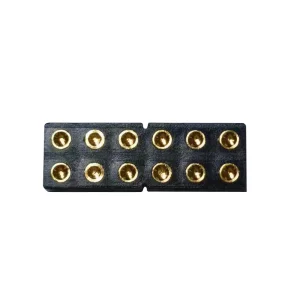
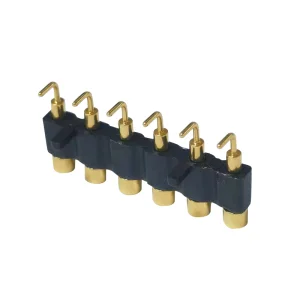
Browse our selection of specialized high-density waterproof connectors and magnetic cable assemblies.
Get answers to common engineering and procurement questions about waterproof magnetic connectors.
 Rongqiangbin