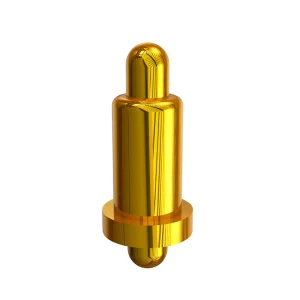
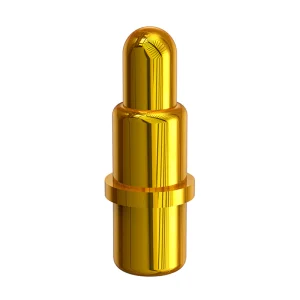
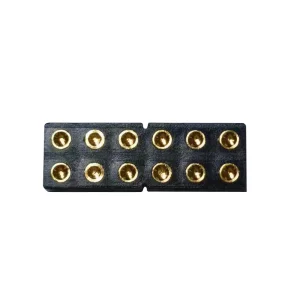
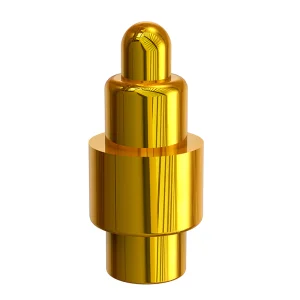
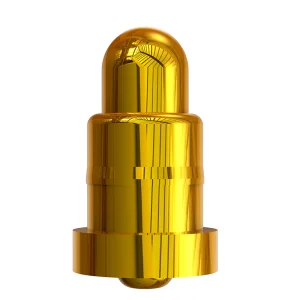
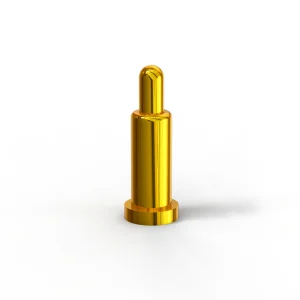
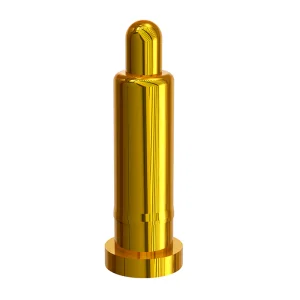
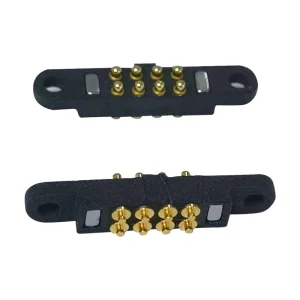
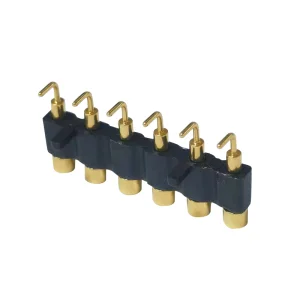
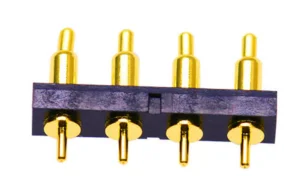
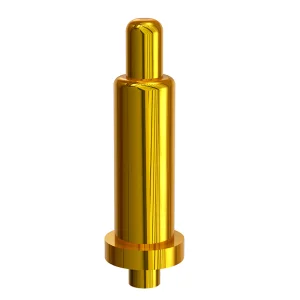
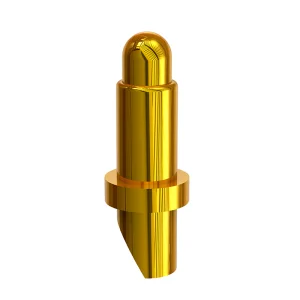
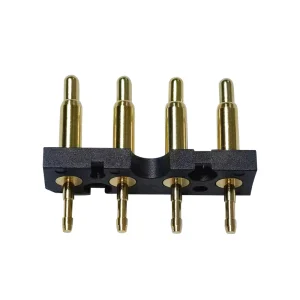
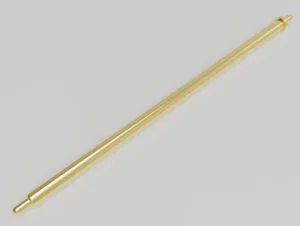
Explore our engineering capabilities through our standard and custom-molded spring-loaded products built for extreme tolerances.
Founded in February 2011 in Songgang Street, Shenzhen—positioned within the high-tech corridor of the Guangdong-Hong Kong-Macao Greater Bay Area—Rongqiangbin (RQB) has grown from a specialized local enterprise into a globally acknowledged leader in the R&D, manufacturing, and commercialization of precision POGO PIN (spring thimble) systems and custom smart pin connectors.
Our deep engineering legacy revolves around providing dynamic, multi-contact, and micro-miniature connection interfaces. We are ISO9001:2015 certified, establishing an elite framework for comprehensive quality controls and rigorous environmental protection workflows to meet stringent global standards.
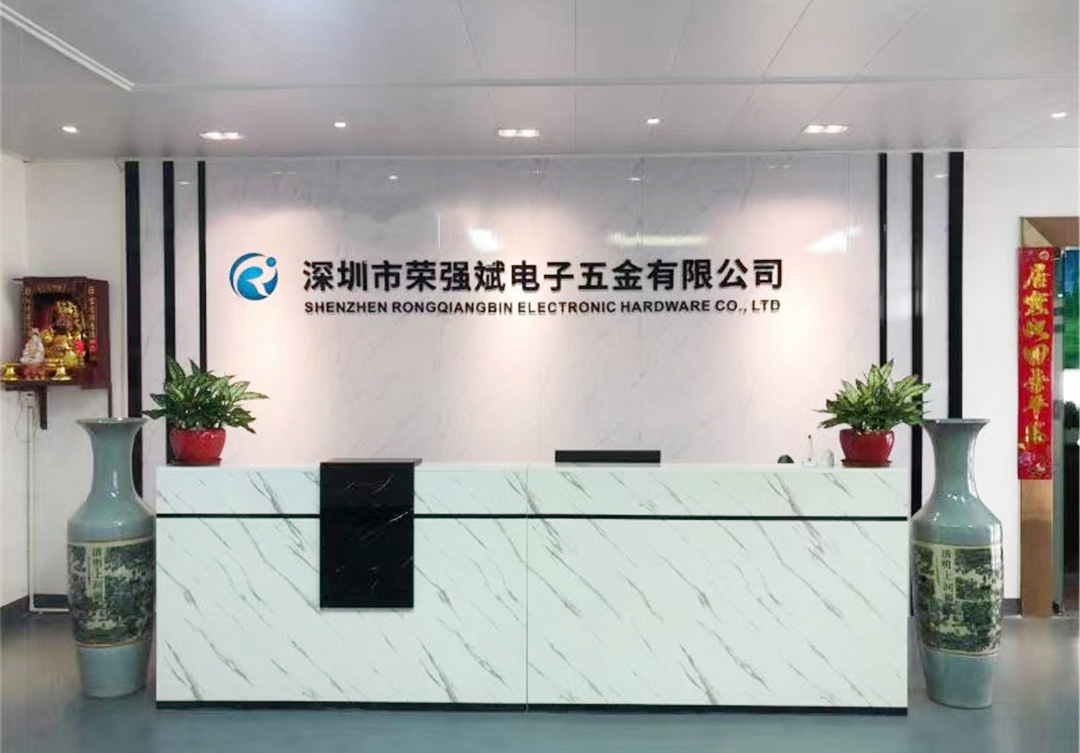
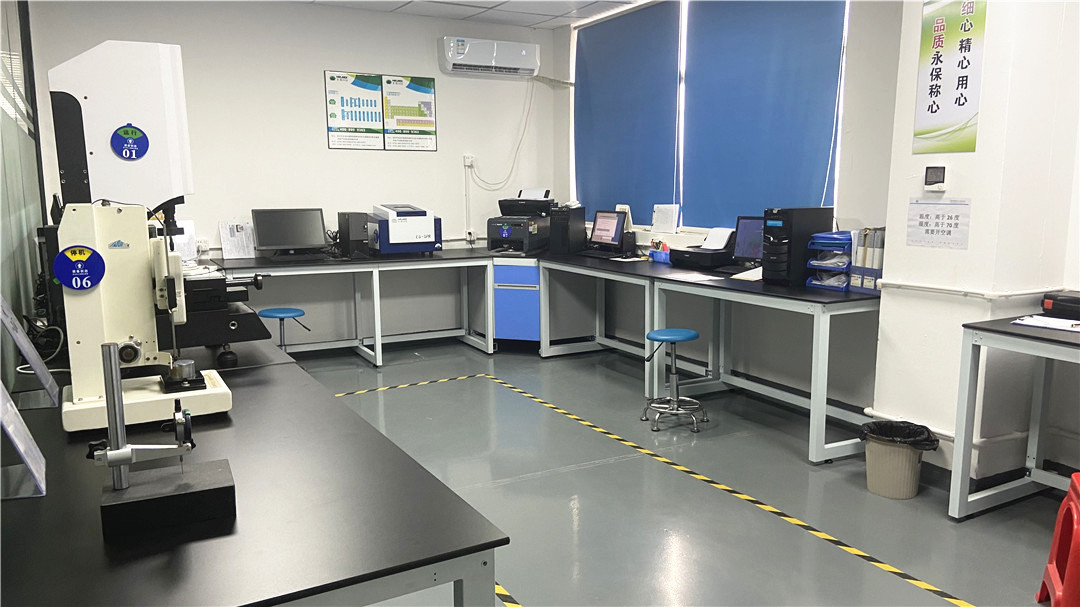
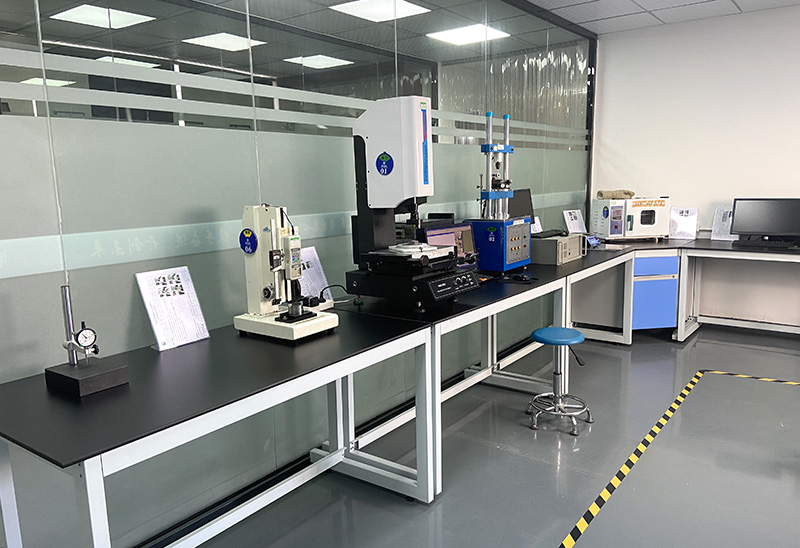
A closer look at the advanced facilities enabling R&B to innovate and sustain high-volume global deliveries with consistent accuracy.
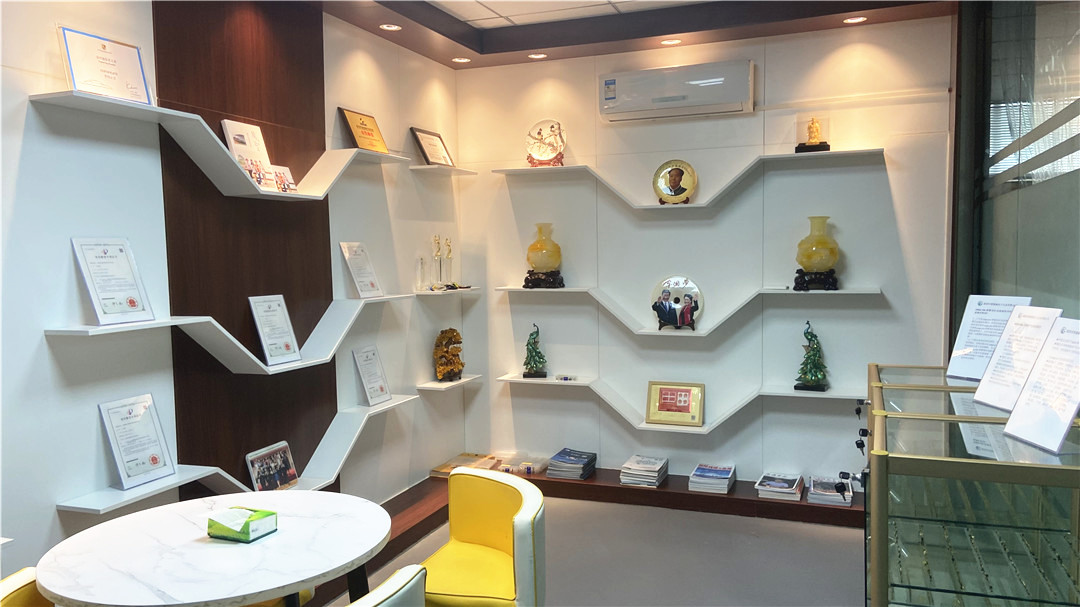
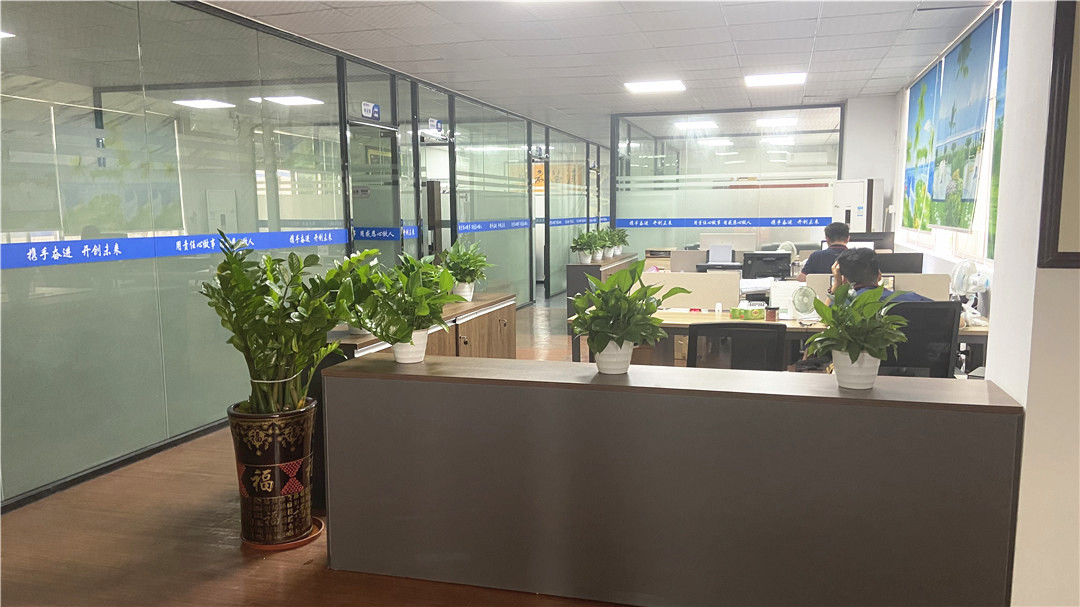
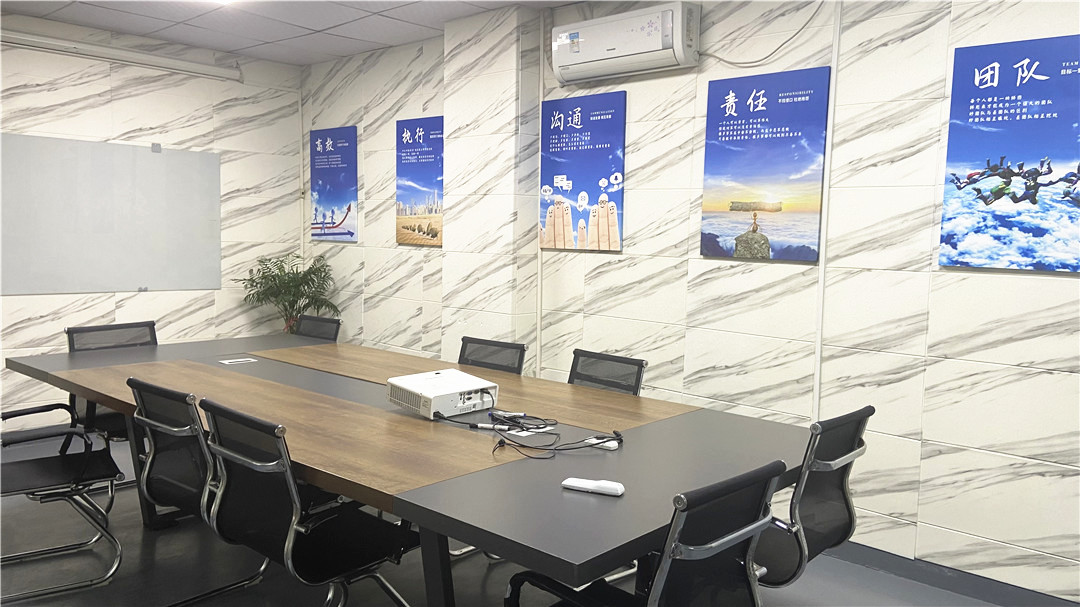
 We operate under a clear vision: Committed to being an excellent global POGO PIN manufacturer, optimizing cost-to-performance metrics, and driving the frontier of high-reliability interconnect technology.
E-E-A-T principles mandate that real manufacturing capability is demonstrated by verification from industry titans. Throughout the decade, Rongqiangbin has established strategic, long-term partnerships with leading Fortune 500 companies and tech pioneers, including:
✔ Honeywell ✔ Samsung ✔ SIEMENS AG ✔ ZTE ✔ 360 ✔ QCY ✔ HAYLOU ✔ Shanghai Laimu ✔ Luxshare Group ✔ Aoni Electronics ✔ Amphenol Group
These partnerships highlight RQB's compliance with rigorous corporate audits, custom engineering standards (DFM), strict environmental profiles (RoHS/Reach), and long-term delivery continuity.
A deep engineering exploration of how custom-designed spring contact pins ensure continuous connectivity, thermal management, and physical durability.
Unlike standard sheet-metal stamped contacts, RQB's smart pin connectors are lathed with ultra-precise CNC Swiss-type machines, enabling tolerances down to ±0.005mm. This geometry ensures consistent spring force and low contact resistance across millions of compression cycles.
High-current smart pins utilize a unique bias-cut plunger or internal ball design. Incorporating a precious metal ball between the spring and the plunger forces lateral contact with the barrel, decreasing overall resistance and preventing data disruption during vibration.
To resist galvanic corrosion and skin-sweat acidity in smart wearables, we deposit complex layer structures: custom Nickel or Palladium-Nickel diffusion barriers under a high-purity Gold (Au) topcoat ranging up to 50 micro-inches.
A transparent look inside our manufacturing facility in Songgang, Shenzhen, showcasing the specialized machinery used to produce millions of smart connectors daily.
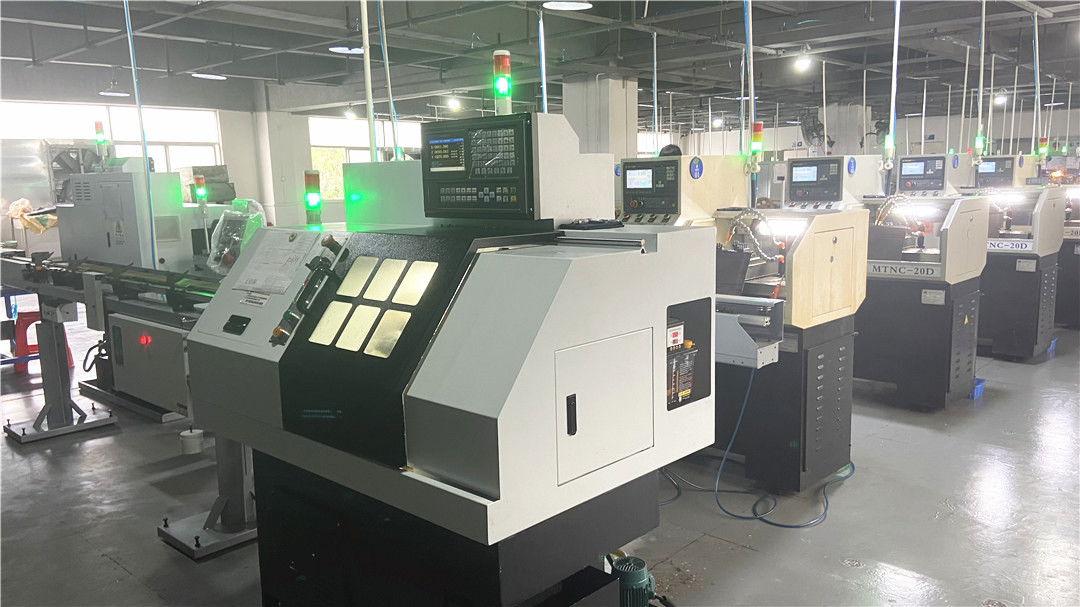
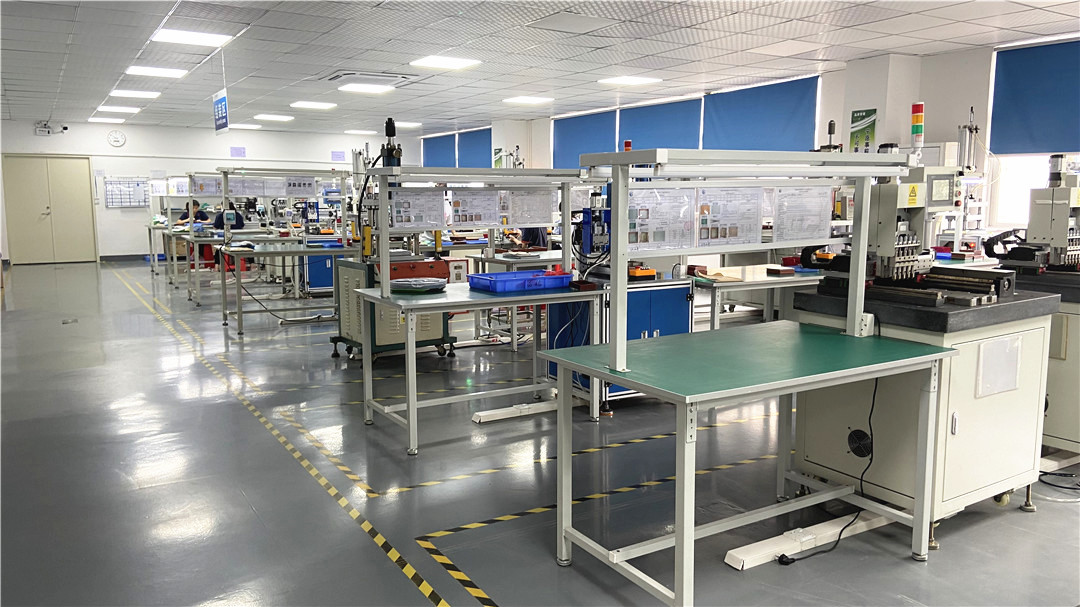
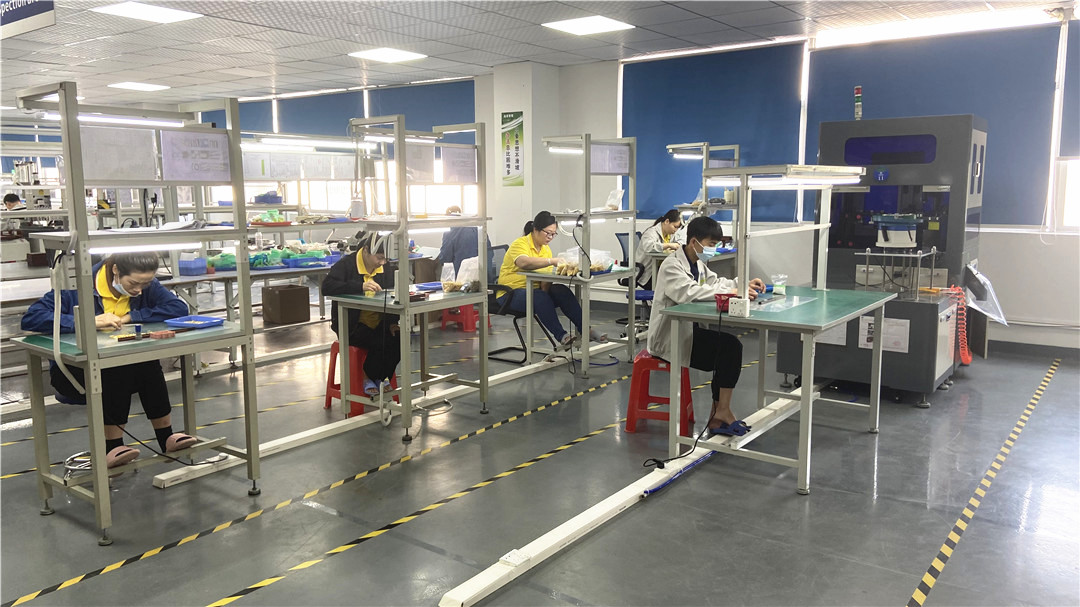
Rongqiangbin leverages a vertically integrated production ecosystem. By performing CNC lathing, automated spring winding, assembly, and testing in-house, we eliminate supply chain delays and maintain close quality control. Our facility features a dedicated testing department equipped with optical sorting machines, force-deflection testers, X-ray thickness measurement devices, and environmental chambers to conduct salt-fog and humidity tests.
Analyzing the logistical and economic factors that make South China the premier global cluster for precision connector manufacturing.
Shenzhen's Greater Bay Area houses the world's most concentrated cluster for electronics, raw metal supplies, specialized plating providers, and high-performance polymer molders. This localized ecosystem allows us to source custom components, finalize design modifications, and execute prototype runs in days, compared to weeks in other regions.
Due to the flexible design of our CNC lathing stations, we do not require expensive stamping dies to begin production. This allows our global customers to scale cost-effectively: beginning with low-volume pilot test runs of thousands of units and moving to mass production of millions without changing manufacturing partners.
As a key supplier to Siemens, Samsung, and Amphenol, RQB operates in compliance with international electronic standards. Our manufacturing processes utilize automated optical inspection (AOI) alongside automated dynamic contact resistance testing to guarantee 0-defect limits on critical dimensions and spring mechanics.
Our engineering team performs comprehensive Design for Manufacturability (DFM) analyses on every technical drawing submitted. We optimize plastic housing shapes for injection molding, adjust draft angles, recommend spring materials (stainless steel vs. music wire), and customize termination styles (SMT, DIP, or solder cup) to match our customers' automated assembly equipment.
How modern design trends are influencing the engineering requirements of spring-loaded contact systems.
As wearable form factors shrink, center-to-center pitches are decreasing from 2.54mm down to 1.0mm or less. Minimizing spring barrel wall thickness while retaining mechanical stability represents the cutting edge of modern CNC machining.
Smart pin systems now handle up to 15A to 30A per pin to support fast-charging standards. This requires internal configurations such as biased plungers, silver-plated springs, or specialized conductive inserts to minimize contact resistance.
Wearables demand waterproof ratings up to IPX8 or IP69K. Custom smart connectors solve this by overmolding sealing membranes or integrating liquid silicone rubber (LSR) gaskets directly into the pin-housing assembly.
How Rongqiangbin customizes pin parameters to meet performance and environmental demands across key industry sectors.
In TWS headphones and fitness trackers, skin contact exposes pins to human sweat, which can cause galvanic corrosion. RQB resolves this with specialized plating chemistries, including biocompatible Gold and Platinum-Group alloy configurations that prevent corrosion and skin irritation.
Industrial applications require robust, reliable connections. In automation equipment developed for partners like Siemens AG, we deploy heavy-duty DIP pogo pins with wide working ranges. These pins withstand high vibration, mechanical shock, and temperature swings while maintaining low contact resistance.
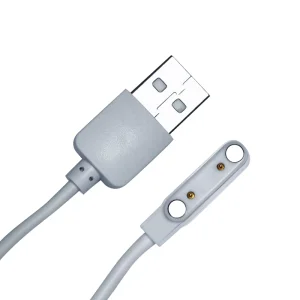
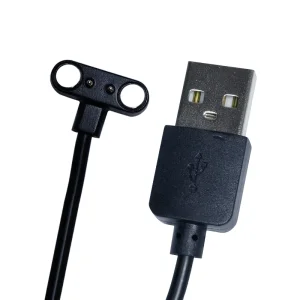
Smart home controls, tablet keyboards, and charging cradles benefit from user-friendly interfaces. By combining multi-pole smart pins with custom neodymium magnetic assemblies, we create self-aligning connection interfaces that help protect devices from connector damage caused by user error.
This approach is widely used in high-end consumer tablets and smart home panels, where user experience and physical reliability are equally important design requirements.
For engineering and purchasing departments in multinational enterprises, sourcing customized smart pin assemblies requires evaluating complex parameters. Use this checklist to simplify your engineering selection and quality control process:
Every batch of custom smart pins undergoes testing before shipment to confirm performance specs:
| Test Parameter | Standard Method |
|---|---|
| Mating Lifespan | Up to 1,000,000 Cycles |
| Salt Spray Test | 24h to 480h (Custom plating) |
| Spring Force Force Curve | Transducer Profile Plotting |
| Current Rating | Continuous Temperature Rise Test |
Direct technical answers from RQB's engineering department regarding common integration challenges, performance limits, and mechanical design.
We prevent discontinuity by customizing the internal geometry of the plunger. Using a bias-cut plunger or inserting a conductive ball between the spring and the plunger forces the plunger to maintain lateral contact with the barrel wall. This design bypasses the spring's high resistance path, keeping contact resistance low and stable under dynamic vibration.
Yes. By optimizing pin layout, adjusting the height and spacing of adjacent pins, and carefully selecting insulating materials, we control characteristic impedance. This design allows custom multi-pin blocks to support high-speed data transmission, such as USB 3.1 Gen 2 (10 Gbps) and high-frequency RF signals, alongside charging power.
For wearable devices exposed to sweat, standard nickel plating can cause skin allergies and degrade quickly. We recommend a barrier layer of Palladium-Nickel (Pd-Ni) or white bronze, topped with a thick layer of high-purity gold (typically 10u" to 50u"). This structure provides excellent wear resistance and prevents galvanic corrosion from sweat.
Over time, spring fatigue can cause force relaxation. We prevent this by sourcing high-performance spring wire materials, such as music wire or beryllium copper, and subjecting springs to thermal setting. During our quality checks, force-deflection testing machines measure and plot the spring force at the contact point, working stroke, and maximum stroke to ensure consistent mechanical performance.
Explore our specialized range of high-current, magnetic alignment, and space-saving PCB termination designs.
 Rongqiangbin