Explore our elite selection of industrial-grade magnetic connectors engineered for high durability, IPX-rated waterproofing, and seamless integration.
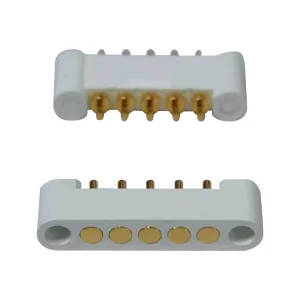
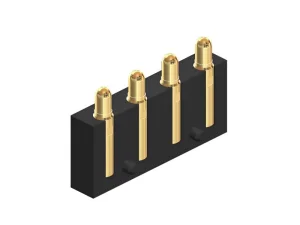
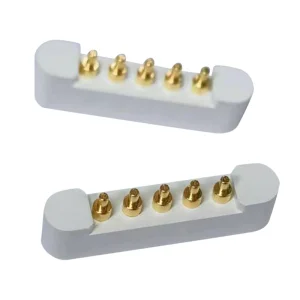
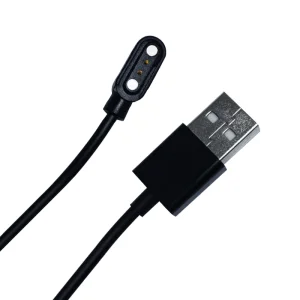
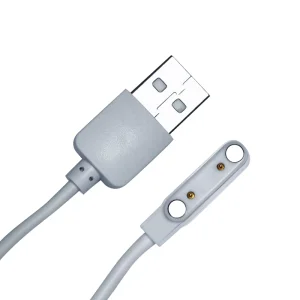
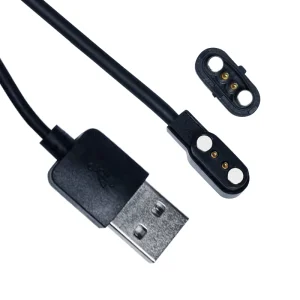
In modern electronic design, the mechanical interface is no longer just a passive transmission channel. As consumer electronics, medical biosensors, and internet-of-things (IoT) architectures undergo continuous miniaturization and demand harsher ingress protection, conventional micro-USB and Type-C interfaces are reaching physical performance barriers. Among these, the 2 Pin Magnetic Pogo Pin Connector has emerged as the premier interface for power delivery and low-frequency signal synchronization.
Industrially, the 2-pin configuration represents the most space-efficient layout for high-density circuits. By reducing the pin count to the baseline requirements (typically power and ground, or TX/RX and GND), hardware architects can minimize spatial footprints while preserving structural integrity. The incorporation of a custom magnetic mating subsystem yields structural self-alignment, preventing standard angular shear forces from damaging board-level components. This critical advantage results in a connector system that boasts virtually zero insertion force (ZIF) during docking, while delivering structural detachment safety if the cable experiences an unexpected pull.
Globally, the market dynamics for magnetic spring-loaded interfaces are experiencing exponential compound annual growth (CAGR). Driven heavily by the rapid acceleration of the smart wearable ecosystem—including smartwatches, health-monitoring rings, and military tactical headsets—manufacturers require connectors that can withstand body fluids, repetitive sweat exposure, and high vibration cycles. Supply chain leaders are increasingly turning to dedicated tier-1 manufacturers in the South China electronics manufacturing core to execute custom-tailored pogo pin designs that satisfy rigorous testing matrices.
Shenzhen Rongqiangbin Electronic Hardware Co., Ltd. is located in Shenzhen, the leading city of the Guangdong-Hong Kong-Macao Greater Bay Area. Founded in February 2011 on Songgang Street, Shenzhen, our company has specialized in the development and manufacturing of premium Pogo Pin connectors. After years of continuous technological efforts and process sedimentation, the company has firmly established itself as a leading authority in the high-reliability connector industry.
Our core competence centers on the comprehensive research, development, production, and sales of various high-end POGO PIN (also known as spring thimbles) and magnetic contact sub-assemblies. Guided by our corporate philosophy of "customer first, integrity first", RQB maintains a strong POGO PIN industry technology production team. We operate under the stringent guidelines of the ISO9001:2015 international quality management system, backed by a robust environmental control framework to ensure fully RoHS-compliant and halogen-free products.
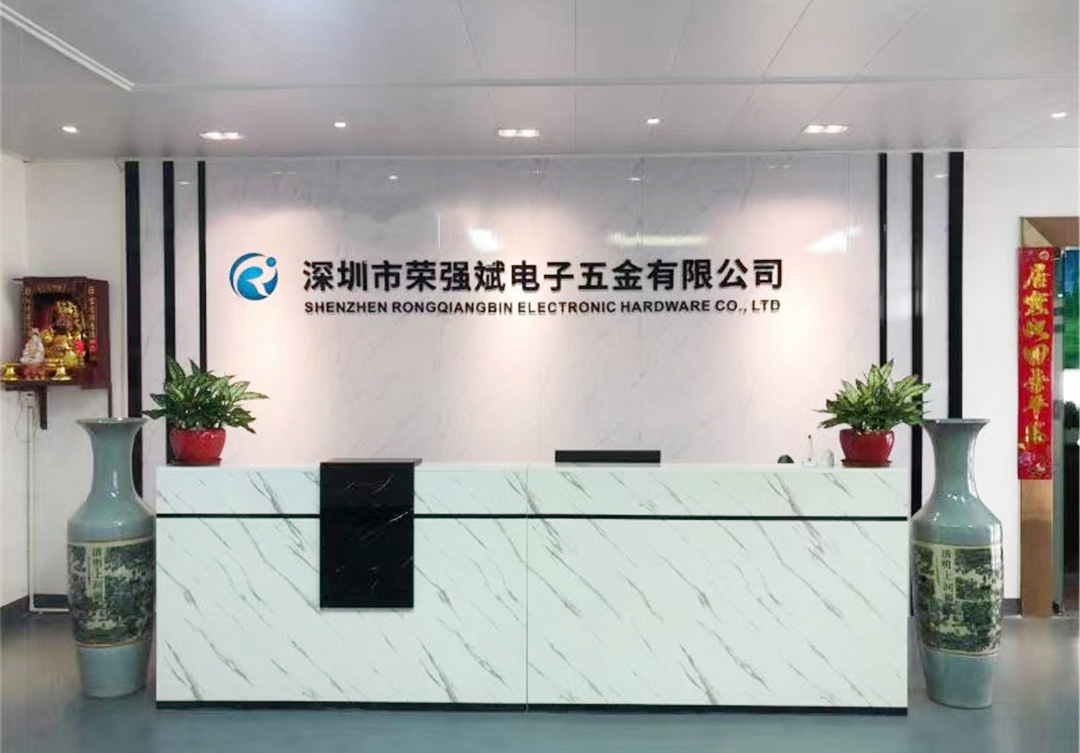
Achieving the highest reliability in the connection technology sector demands state-of-the-art facilities. Rongqiangbin has heavily invested in modern industrial spaces to bridge the gap between design theory and precision execution. Our facility features advanced labs, specialized assembly spaces, and comprehensive testing rooms to guarantee long-term operational resilience.

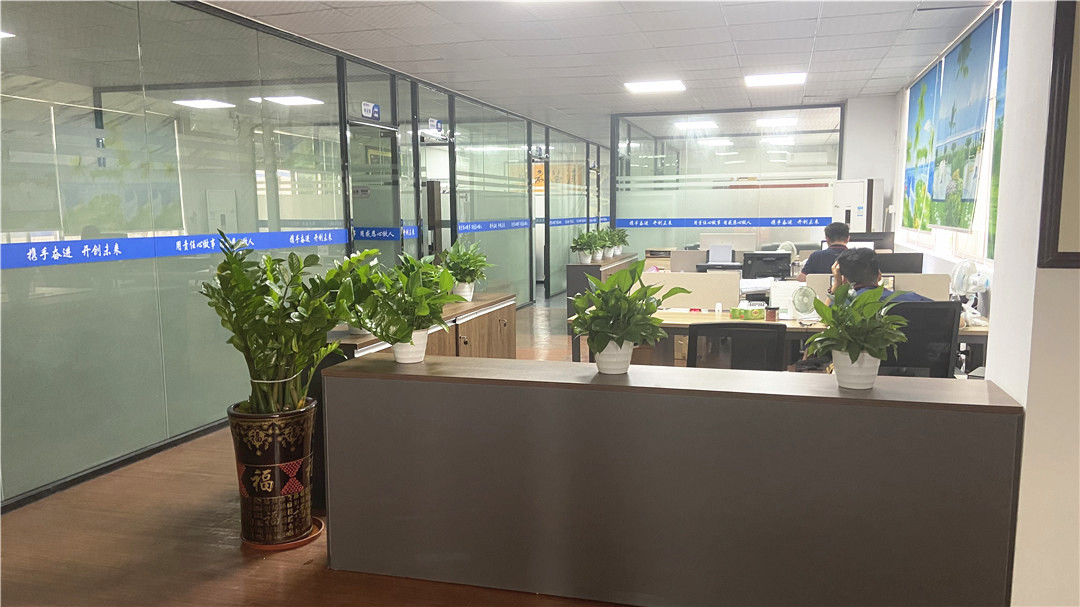
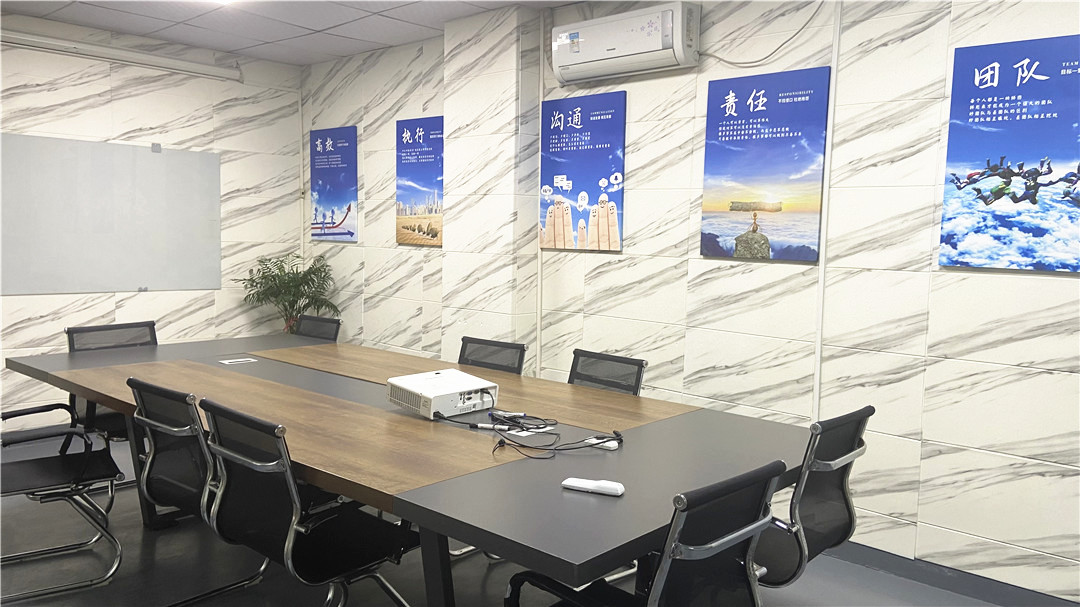
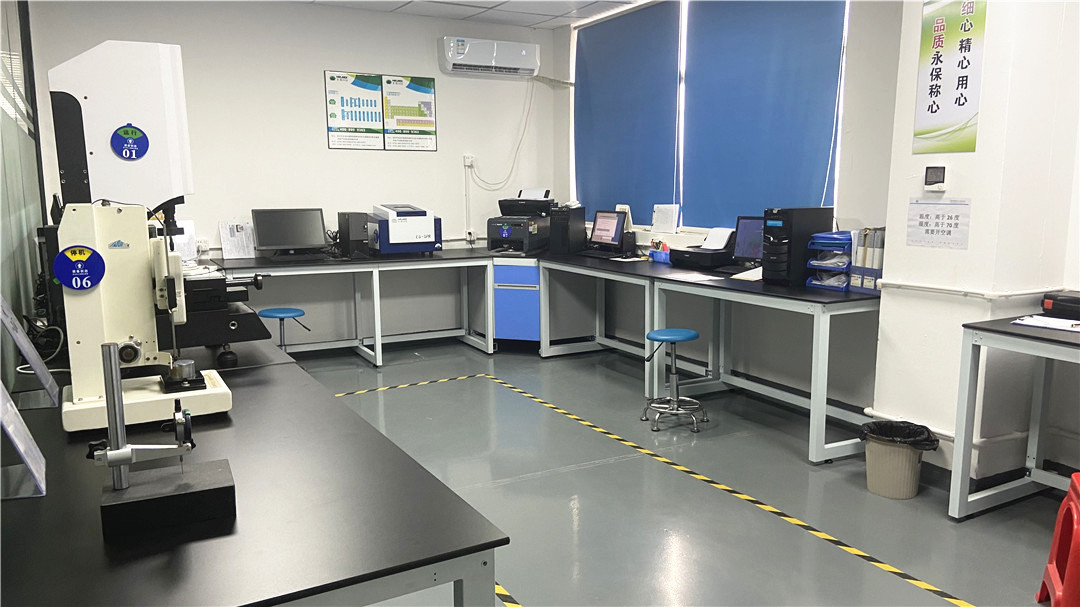
"Our Vision: Committed to be excellent POGO PIN manufacturers for both quality and cost on home and abroad, and leading connector technology development."
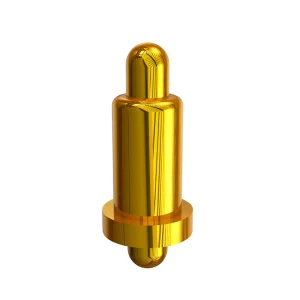
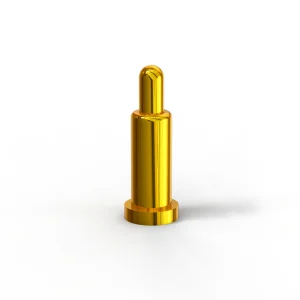
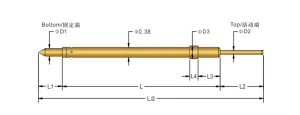
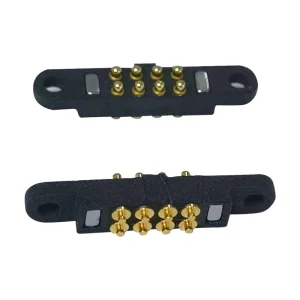
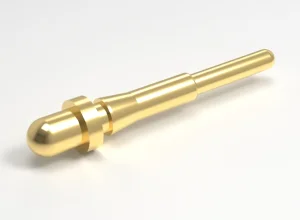
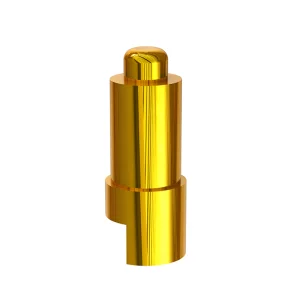
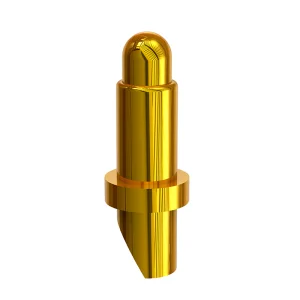
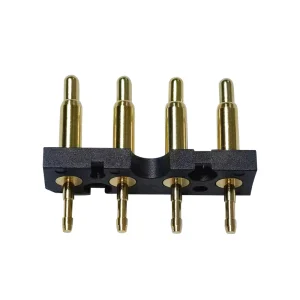
The mechanical composition of a high-performance 2-pin pogo pin connector comprises three core architectural nodes: the Plunger, the Barrel, and the internal Precision Spring, paired with a custom-molded Neodymium Magnetic Housing.
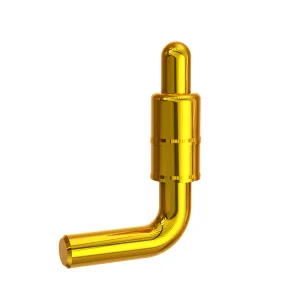
From an electrical standpoint, a primary engineering goal is to maintain a low contact resistance ($\le 30 \text{ m}\Omega$). Standard pogo pin plunger geometries are engineered with a hollow tail or angled cut. This ensures that when the plunger is compressed, the tail is biased against the side wall of the barrel, minimizing the length of the current path and bypassing the higher resistance of the internal spring.
The physical adaptability of the 2-pin magnetic pogo pin connector facilitates widespread implementation across diverse macro-industrial and consumer environments:
For smart rings, smartwatches, and medical biosensors, space constraints are critical. A 2-pin magnetic interface provides a minimal footprint, enabling both charging and slow-rate calibration data transfer. Because the contacts are flush with the device's outer surface, the device remains comfortable to wear, easy to clean, and simple to seal to IP67/IP68 standards.
In rough field environments, handheld scanners, ruggedized tablets, and marine instrumentation cannot rely on delicate USB ports that accumulate dust, mud, and water. A magnetic self-aligning dock allows field workers to quickly hot-plug devices, even with heavy work gloves on.
From e-bike accessories and smart helmets to battery-swapping modules, high vibration can lead to fretting corrosion in standard pins. High-durability spring contacts absorb mechanical shock, maintaining uninterrupted power delivery.
At Shenzhen Rongqiangbin, quality is not verified after production; it is designed into every stage of the manufacturing sequence. Our assembly lines combine advanced CNC lathe turning, automatic assembly machines, and rigorous visual inspection stations.
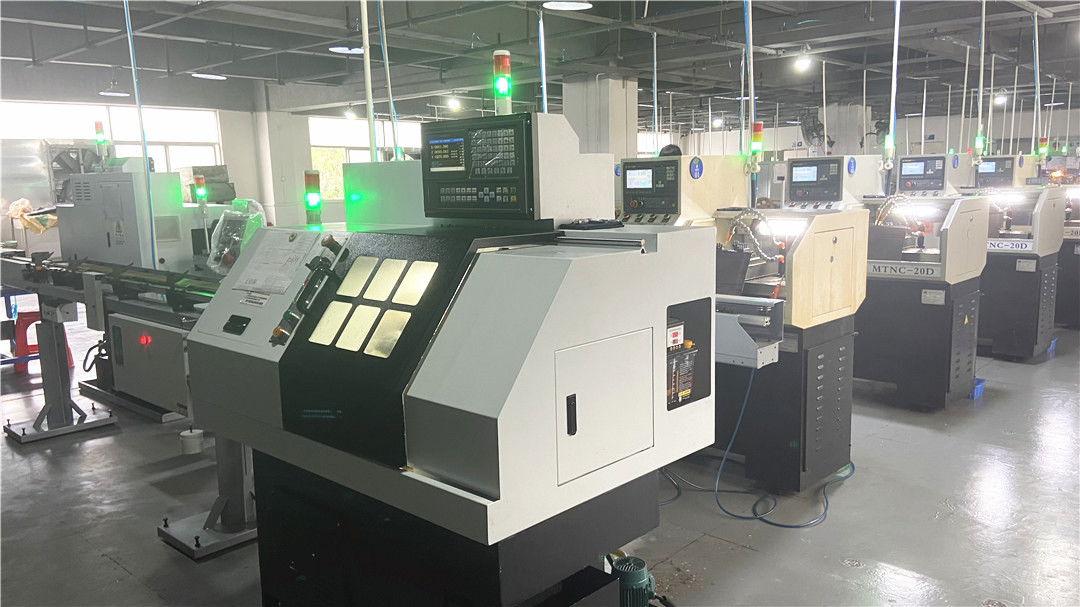
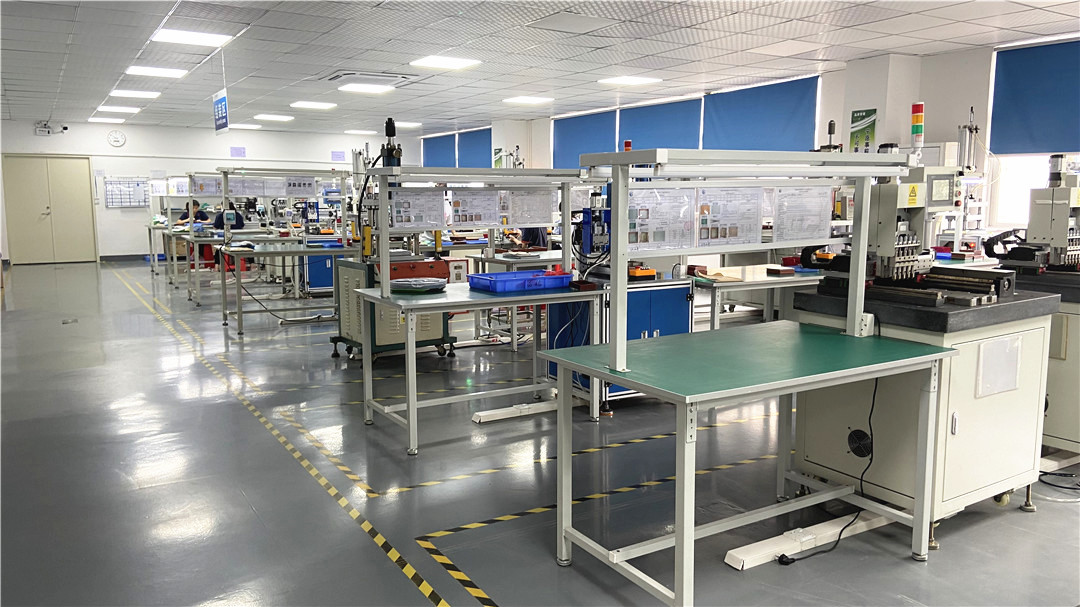
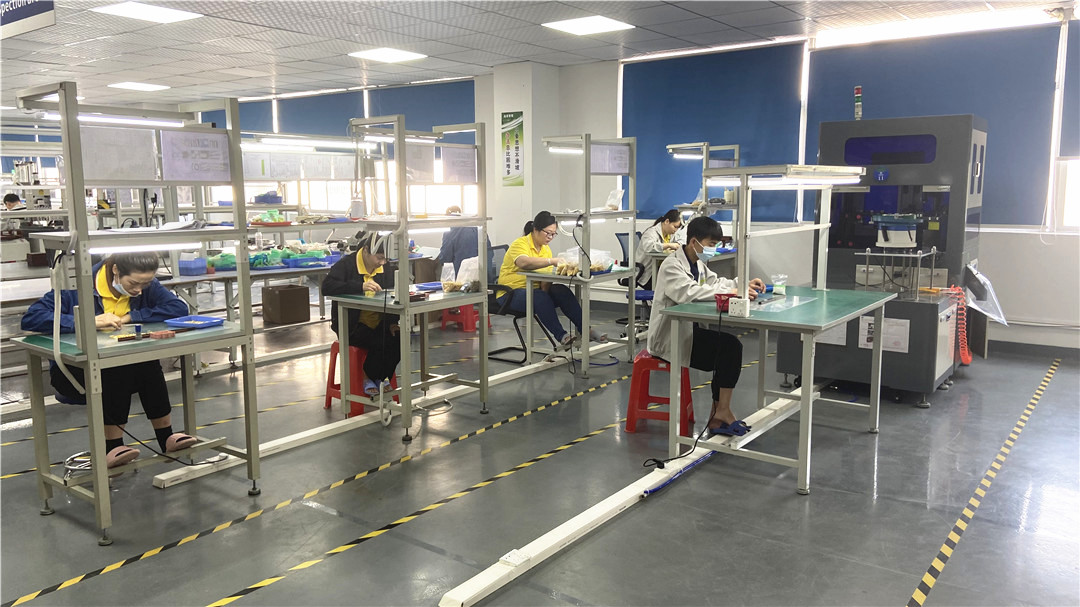
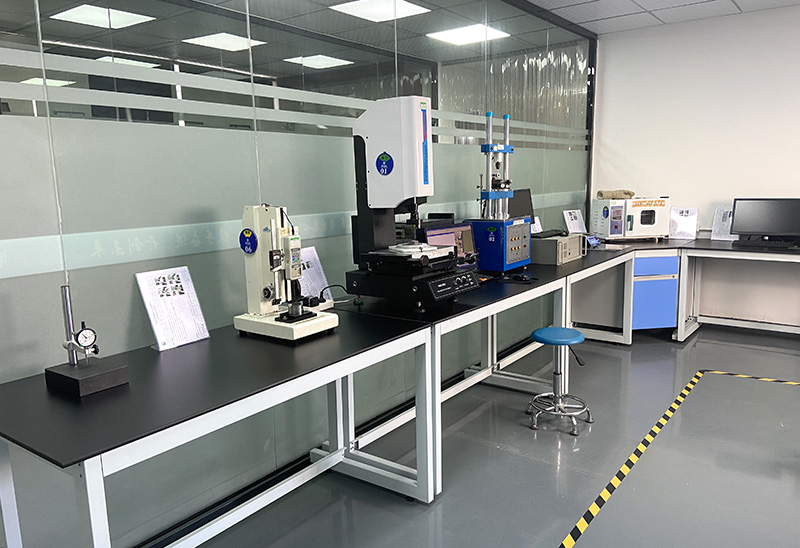
Our Quality Control workflow integrates:
1. Visual Inspection: 100% automated optical inspection (AOI) to detect surface defects and structural variances.
2. Spring Force Testing: Force-displacement curve monitoring to verify spring tension consistency.
3. Salt Spray Testing: Accelerated environment chambers to verify the integrity of the gold plating.
The development of next-generation 2-pin magnetic connectors focuses on three key areas:
Explore our full selection of spring loaded connectors, magnetic charging cables, and vehicle-grade terminal systems.
 Rongqiangbin