Engineered to satisfy critical mechanical, electrical, and environmental specifications. Tap on a component below to review detailed specifications and factory-direct ordering options.
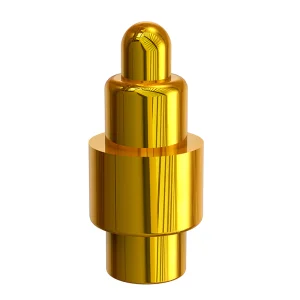
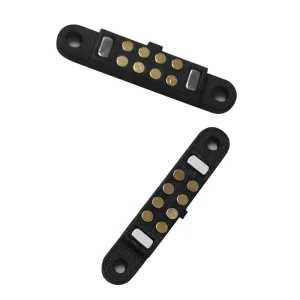
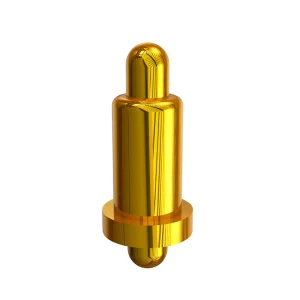
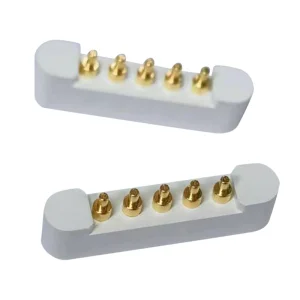
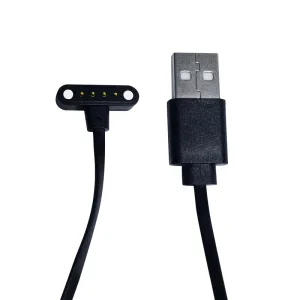
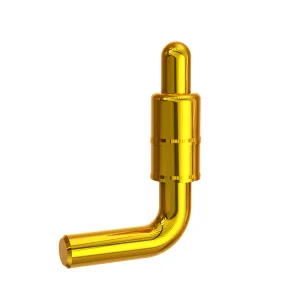
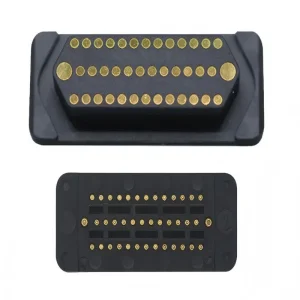
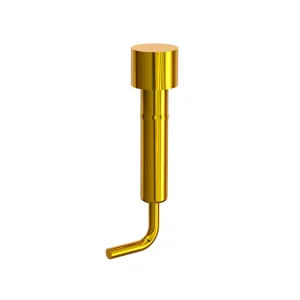
Within consumer electronics, defense communications, and medical device design, standard cables fail due to constant physical strain and poor organization. Traditional cable geometries twist and break internally, causing premature copper fatigue and structural failures. Additionally, open port mating configurations gather environmental debris, reducing electrical continuity over time.
Supercalla self-coiling magnetic cables offer a major design improvement. By embedding calculated magnetic rings or strips along the silicone shielding jacket, the cable stores itself without tangling. This layout protects internal wires from sharp bending, maintaining consistent electrical characteristics and structural durability.
Simultaneously, the integration of precision Pogo Pin mechanisms and magnetic hardware forms a durable charging interface. Moving parts remain protected, dust is sealed out, and physical connection wear becomes practically non-existent. These interconnect layouts are rapidly replacing standard legacy plugs across high-reliability systems globally.
Traditional round wire cables suffer from structural failures due to concentrated bending stress and localized heat buildup. Here is how advanced manufacturing alters this behavior:
Through continuous innovation, advanced automation, and structured quality testing, we deliver reliable performance for demanding hardware applications globally.
The consumer electronics market is transitioning away from standard plug-in ports. Devices are becoming thinner, waterproofing requirements are more stringent, and charging times must be faster. The current trend prioritizes smart, magnetic, self-coiling, and quick-disconnect designs. This shift is driven by three main engineering developments:
Modern magnetic cables must handle more than basic charging. Industrial demands require cables that support high-speed data transmission (USB 3.2 Gen 2, 10Gbps+) and deliver high power outputs (USB Power Delivery up to 100W/240W). This requires high-performance internal insulation, copper conductors with low electrical resistance, and precise magnetic connector contact pressure.
As smartwatches, fitness bands, and medical patches shrink, internal space is limited. Traditional micro-USB or USB-C receptacles take up too much room. Custom pogo pin layouts paired with magnetic alignment features offer a compact, water-resistant interface that fits tiny device housings.
Modern cable jackets use bio-compatible, high-grade medical silicones instead of standard PVC. These materials are flexible, skin-friendly, and naturally repel dust. This ensures the cables remain clean and safe for daily wear, medical applications, and industrial deployments.
Technical Insight: To meet these standards, our factory uses advanced plating technologies. Gold plating over nickel barriers on copper-alloy contacts protects against sweat corrosion, keeping electrical resistance low over years of usage.
| Performance Specification | Standard PVC Cable | High-Grade Supercalla Magnetic Winding Cable | Custom Magnetic Pogo Pin Assembly |
|---|---|---|---|
| Bending Endurance Lifespan | 3,000 to 5,000 cycles | 25,000+ cycles | 100,000+ cycles (Spring-loaded contacts) |
| Tangle Tendency | High (requires manual ties/clips) | Extremely Low (automatic magnetic alignment) | Zero (fixed short connector pin setups) |
| Environmental Ingress Protection | IP40 - IP52 (exposed open slots) | IP54 - IP65 | IP67 / IP68 (molded plastic sealing) |
| Operating Temperature Limits | -10°C to +50°C | -40°C to +150°C (Silicone sleeve) | -45°C to +185°C (LCP Insulators) |
| Power Carrying Ranges | 5V, 1.5A to 2.4A | 5V-20V, up to 5A (PD 100W support) | Up to 12V, 10A continuous rating |
Tier-1 procurement teams, manufacturing planners, and hardware engineers evaluate suppliers on clear benchmarks: component durability, consistent electric conductivity, and supply chain reliability. Our engineering processes are tailored to address these critical operational metrics:
Corrosion from human sweat is a common point of failure for wearable electronics. Our spring contacts utilize multi-layer gold plating (ranging from 3u" to 30u" gold over nickel-copper alloys). This prevents oxidation and maintains low contact resistance, even under harsh operating conditions.
Electrical pins must withstand regular compression without losing force. We construct our internal springs from music wire (SWP) or beryllium copper, ensuring they maintain reliable contact force over more than 100,000 cycles.
Magnetic connectors require consistent, balanced holding forces (from 150g to 800g). This secures the connection against vibrations while remaining easy to detach when needed, protecting the underlying device.
Founded in February 2011 and based in Songgang Street, Shenzhen, our company operates at the center of the Guangdong-Hong Kong-Macao Greater Bay Area. We specialize in the R&D, manufacturing, and distribution of high-performance pogo pin connectors, magnetic charging assemblies, and custom self-coiling cables.
Over more than a decade, we have established a strong reputation for manufacturing quality. We are certified to the ISO9001:2015 standard, and our quality systems ensure compliance with strict environmental regulations like RoHS, REACH, and Halogen-Free directives.
Our Vision: Committed to being an excellent POGO PIN manufacturer for both quality and cost on home and abroad, and leading connector technology development.

We supply leading global enterprises, including Honeywell, Samsung, SIEMENS AG, ZTE, 360, QCY, HAYLOU, Shanghai Laimu, Luxshare Group, Aoni Electronics, and Amphenol Group.
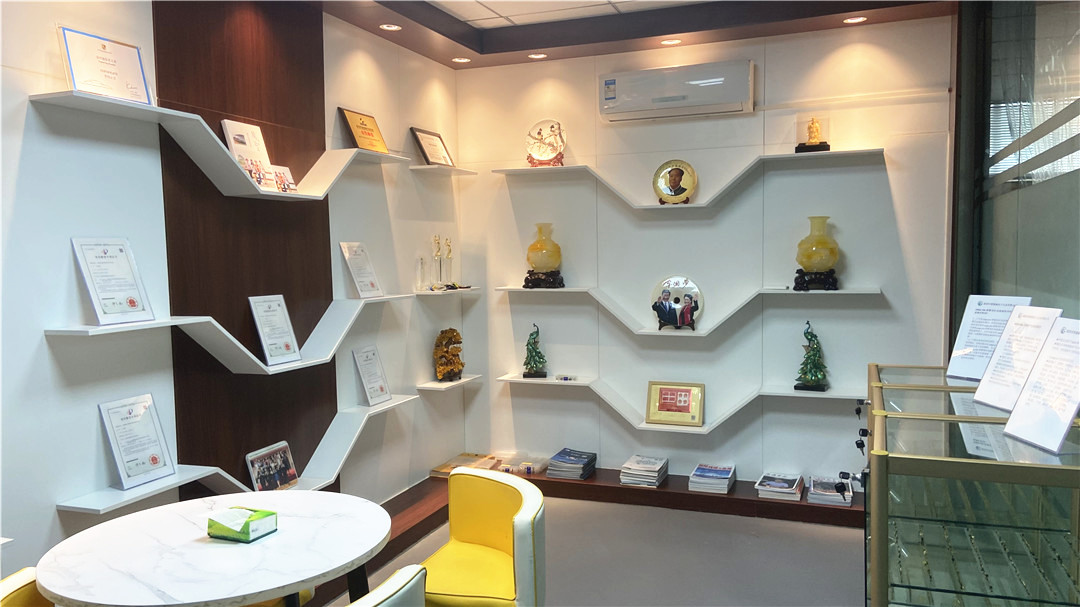
Showroom
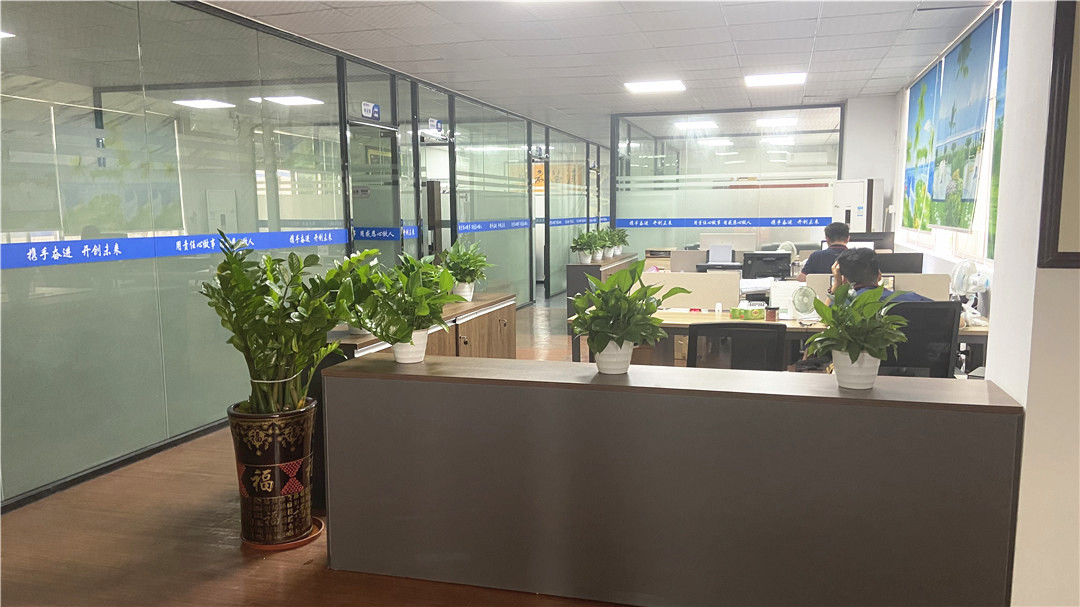
Office
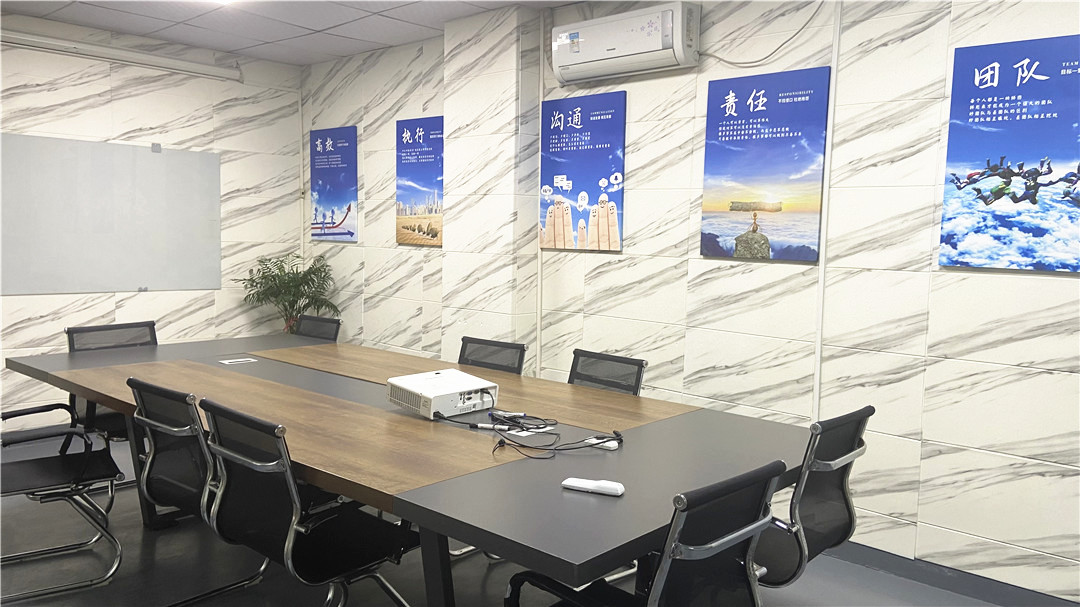
Meeting Room
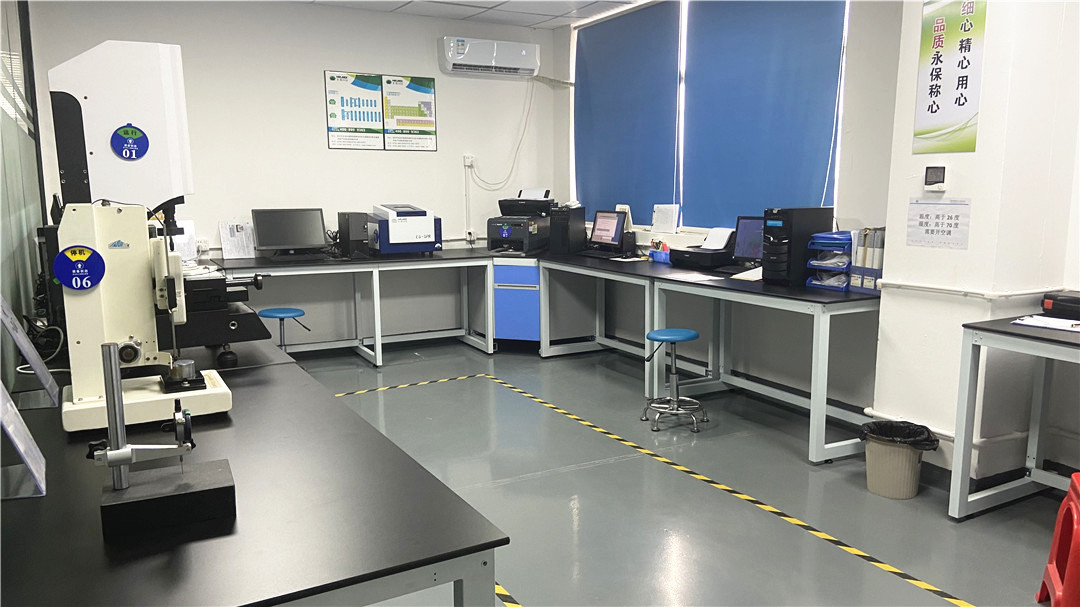
LAB
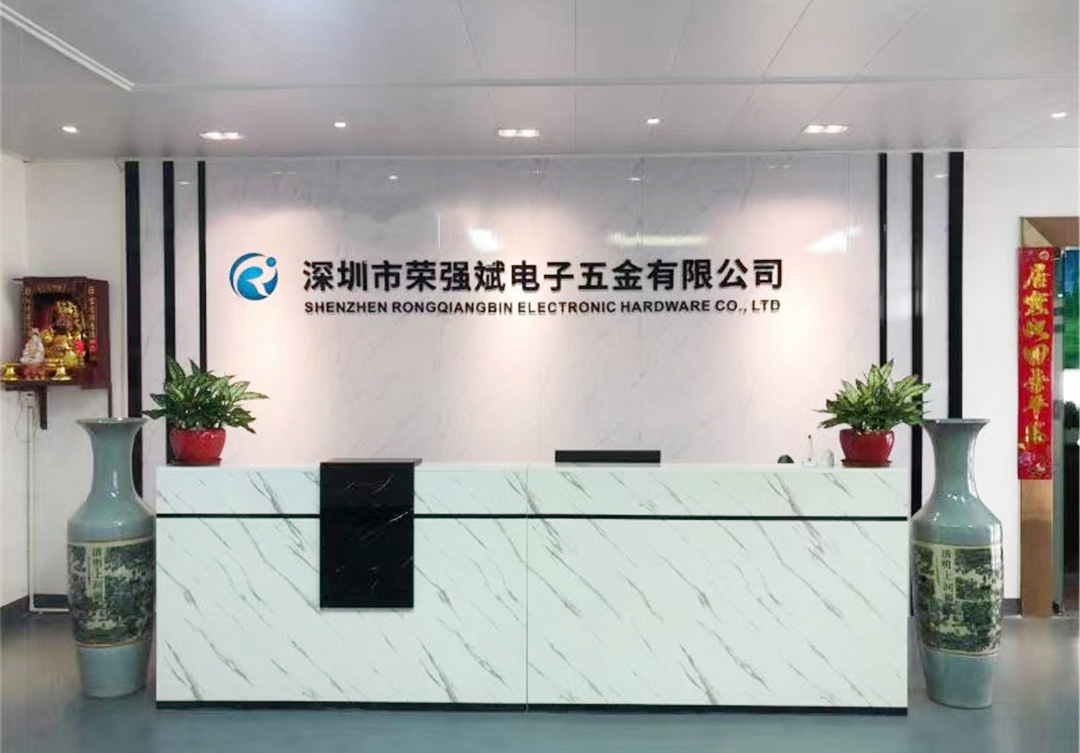
Advanced manufacturing facility located in Shenzhen, GBA.
Our location in the Shenzhen-Guangdong industrial corridor gives us access to a complete localized electronics supply chain. This raw material ecosystem, combined with our automated assembly capabilities, offers significant cost and speed advantages for global electronics OEMs:
We invest in automated turning machines, assembly lines, and inspection technology to maintain high yield rates and component reliability.
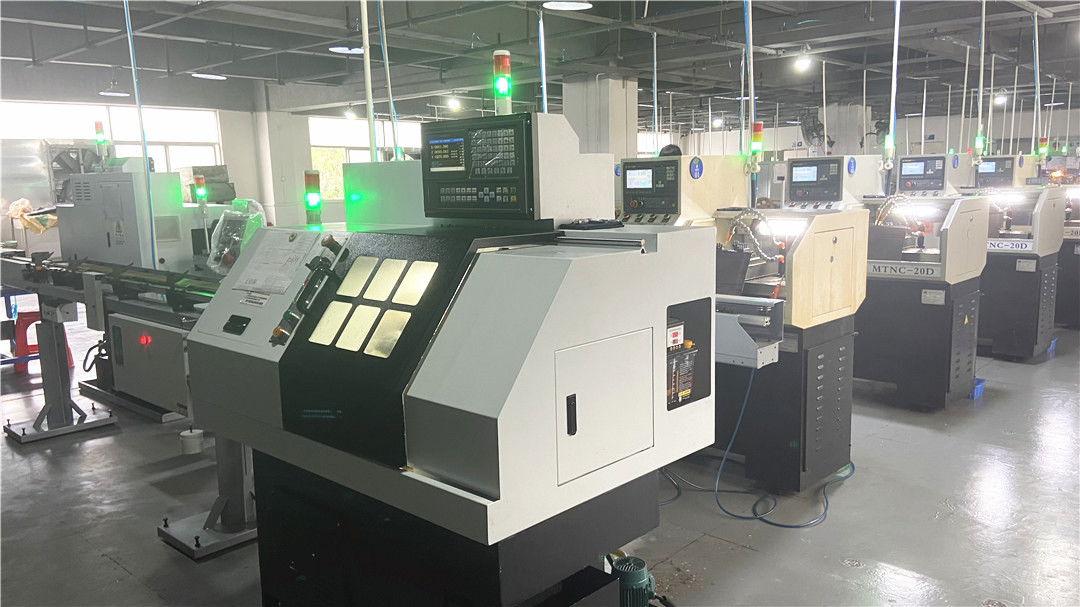
Lathe Department
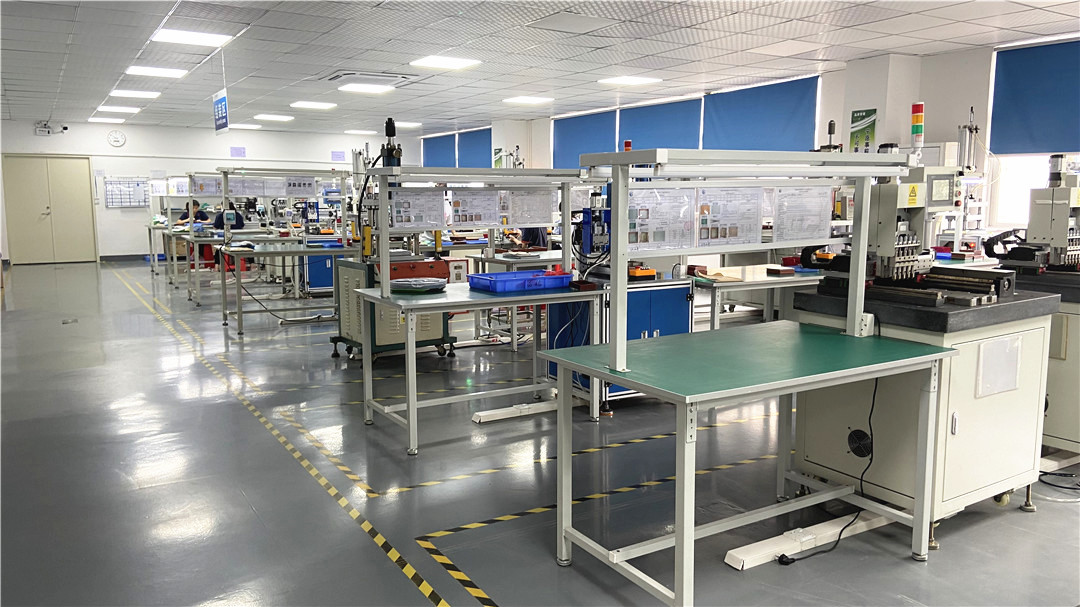
Workshop floor
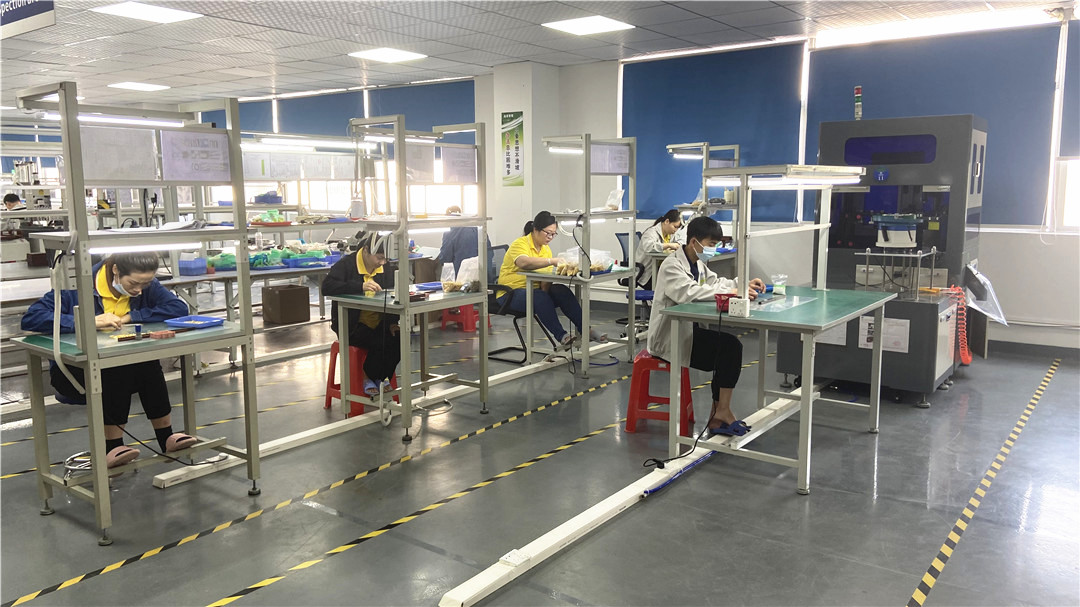
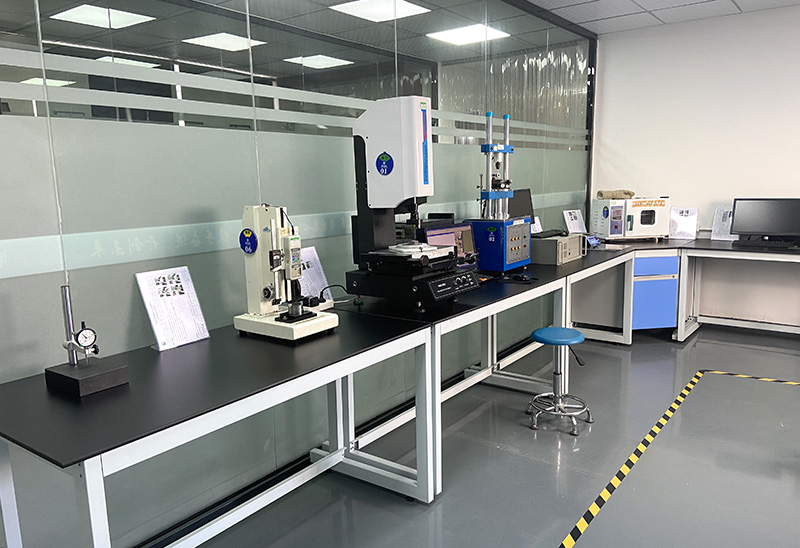
Inspection LAB
Engineering Division
A Culture of Precision: We utilize advanced optical sorters, force testers, and environmental salt-spray testing equipment. This ensures every batch of connectors meets the physical performance standards demanded by global markets.
Precision pogo pin designs and magnetic cables serve critical roles in applications where space is limited and reliability is required:
Fitness bands and smartwatches require small charging interfaces that resist skin sweat and body oils. Custom, low-profile gold-plated pogo pins provide a flat contact surface that prevents residue buildup and maintains reliable conductivity.
Medical devices require quick-disconnect charging lines that can be easily sanitized. Smooth magnetic connections eliminate deep cavities where bacteria can gather, supporting hygienic wipe-downs and reliable device uptime.
Handheld diagnostic devices used in high-vibration field environments benefit from secure, spring-loaded pogo pin configurations. The springs absorb impact shocks and maintain continuous electrical contact.
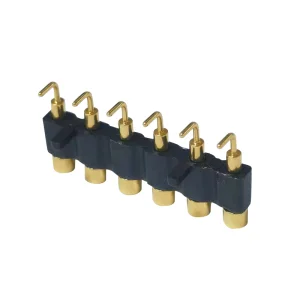
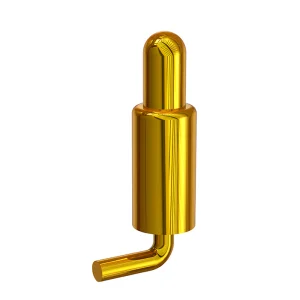
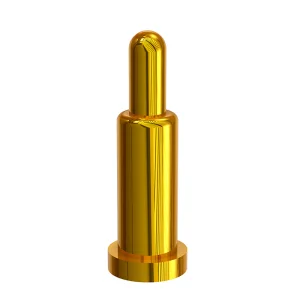
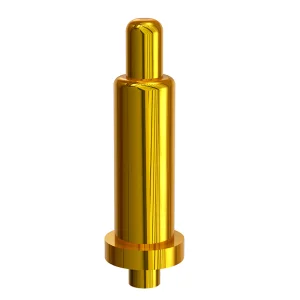
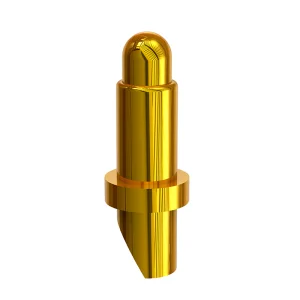
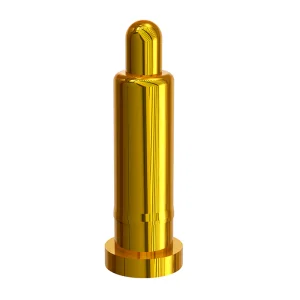
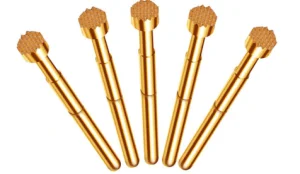
Select an option below to view technical specifications, mechanical drawings, and testing certifications.
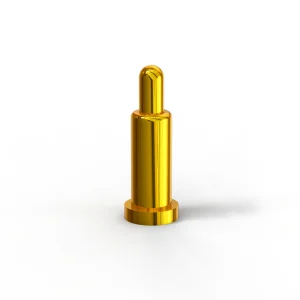
 Rongqiangbin