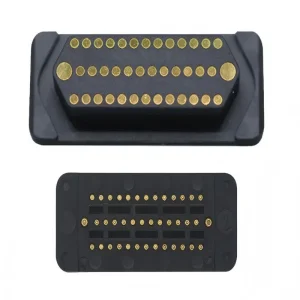
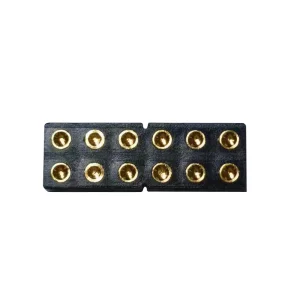
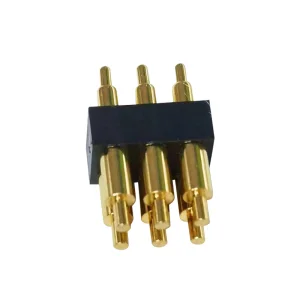
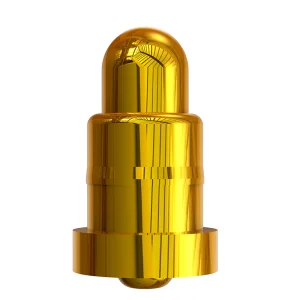
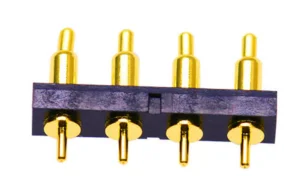
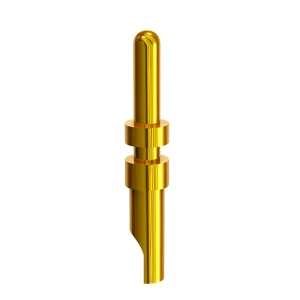
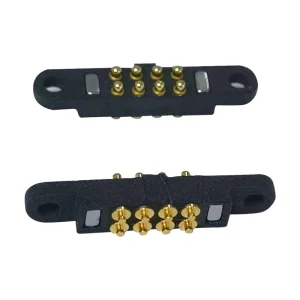
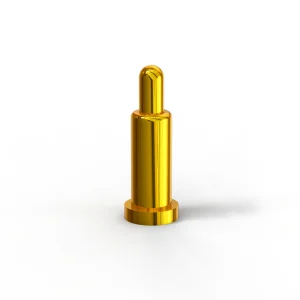
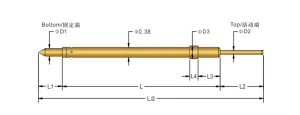
Explore our high-performance standard and custom spring-loaded connections engineered for reliable signal and power transfer.
In the era of rapid electrification, the requirement for robust, reliable, and high-performance contact interfaces is scaling at an unprecedented rate. High current probes—specifically designed to establish reliable temporary or permanent electrical connections under heavy electrical loads—occupy a critical position in testing infrastructures. From electric vehicle (EV) battery formation to high-speed automated semiconductor wafer testing, these components must manage continuous current ranging from 10A up to several hundred amperes without undergoing thermal runaway or localized micro-welding.
Globally, industrial automation and battery manufacturing lines demand probes that survive millions of compression cycles while maintaining ultra-low contact resistance. A minute increase in resistance at the contact point generates localized Joule heating ($\mathbf{P = I^2 R}$), which can severely compromise the unit under test (UUT) and shorten the lifetime of the contact probe. As an established ODM High Current Probes Manufacturer, our engineering teams address this thermodynamic bottleneck by modifying materials, improving internal architectures, and optimizing plating layers.
Optimized internal spring paths and high-conductivity beryllium copper alloys keep resistance to sub-milliohm levels, mitigating heat buildup.
Designed to withstand thermal stresses up to 350A continuous, with peak transient currents suited for EV charging and power grids.
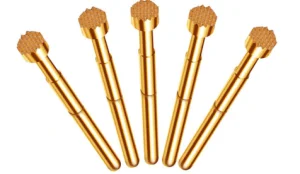
Various plunger configurations (serrated, crown, cup) matching different oxide surfaces to maximize mating reliability.
The design envelope for spring-loaded high current interfaces is constantly shifting. Modern testing environments are moving toward extreme environments, demanding materials that resist degradation under cyclic thermal loading, high oxidation, and high vibrational stresses.
Traditional gold-on-nickel platings are increasingly replaced or enhanced by advanced alloy configurations like Cobalt-Gold or Palladium-Nickel. These platings provide high hardness and wear resistance without compromising electrical conductivity. For high-cycle automated test equipment (ATE), our manufacturing processes feature multi-layer plating (up to 1.5 microns of hard gold) to ensure mechanical integrity over 1,000,000 continuous compression cycles.
In standard spring contacts, the high-resistance spring can behave like a heating coil if it carries substantial current. Our ODM technology addresses this by implementing a dual-path or coaxial system where the plunger establishes contact with the barrel wall directly (via a biased design or custom metal sleeve). This shunts current directly away from the spring, maintaining low internal impedance.
With electronic assemblies packing higher functionality into smaller real estate, high current probes must undergo physical scaling. Engineering a probe that can carry 30A on a 1.27mm pitch requires premium materials, tightly controlled lathe tolerances, and precise spring load calculations to prevent structural buckle.
Our customized and standard high current probe systems are deployed across various critical sectors, facilitating precise testing and charging performance.
Battery module formation, BMS board testing, and EV charger connector test rigs. Probes must handle high continuous charge cycles and thermal expansion without structural damage or signal loss.
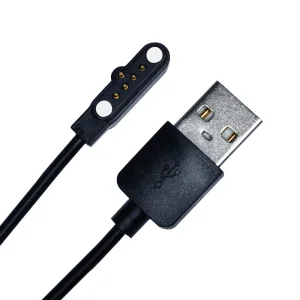
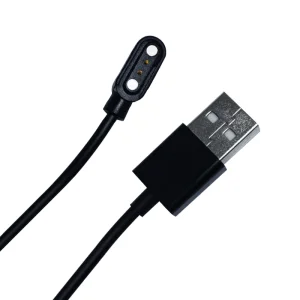
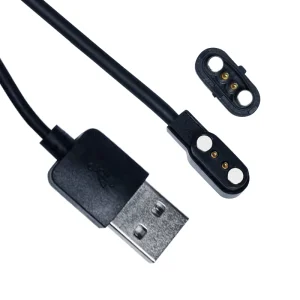
Fast-charging interfaces for smart wearables (watches, bands) and mobile platforms. Specialized plating ensures resistance to salt-water corrosion, sweat, and environmental wear.
High-speed semiconductor chip testing where transient current spikes occur. Requires low inductance, high physical recovery speeds, and consistent contact pressure.

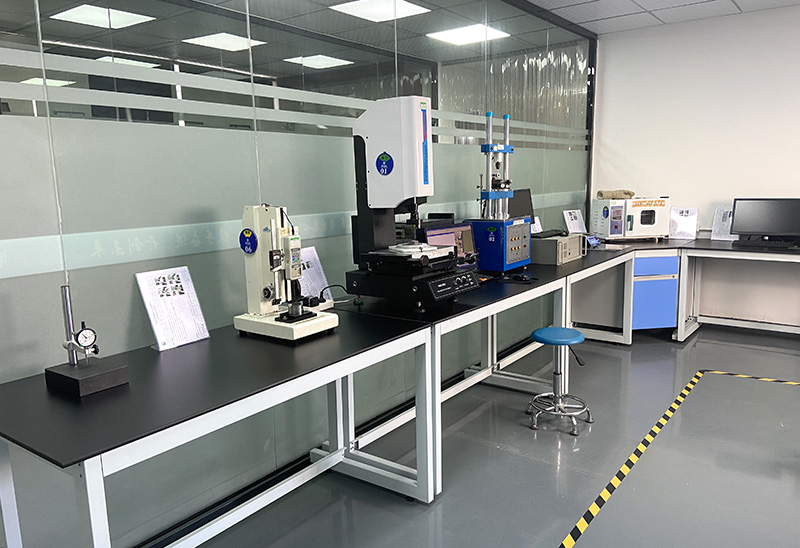
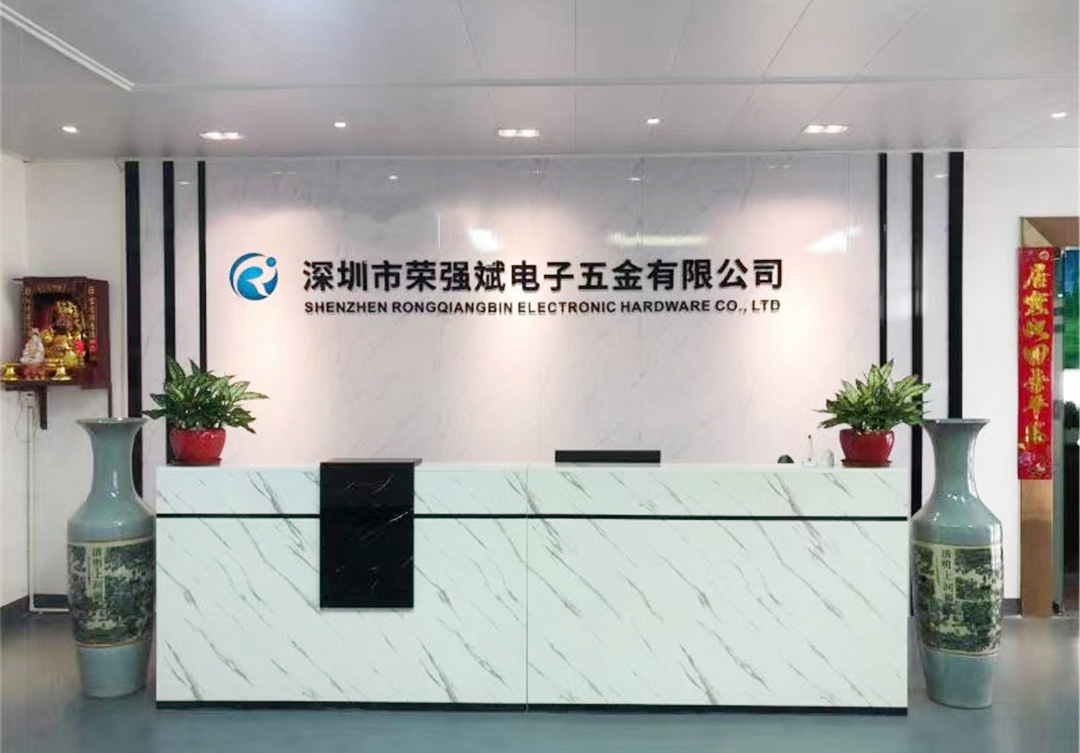
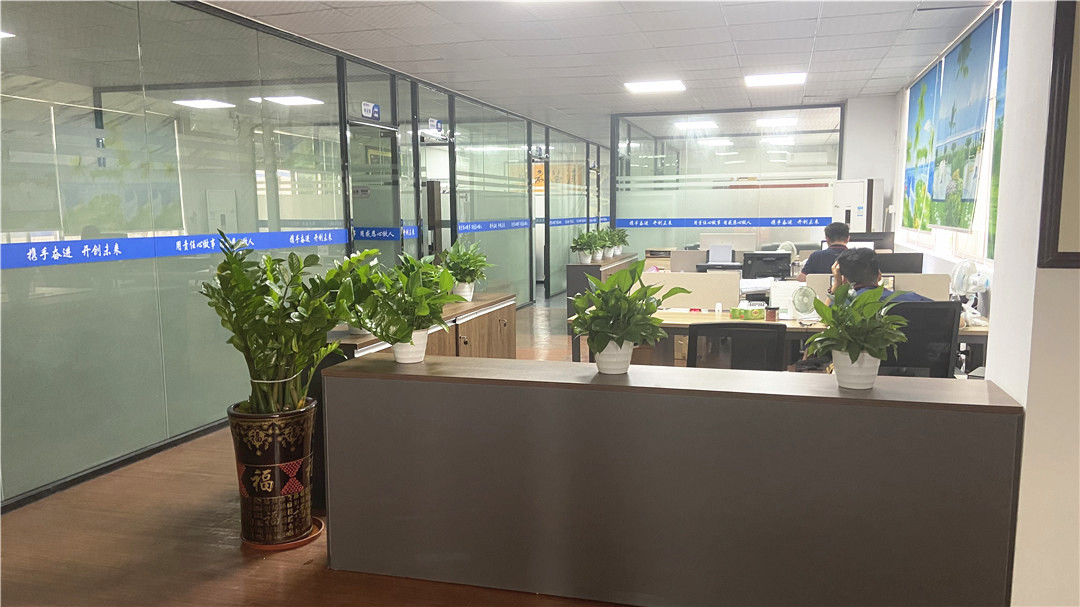
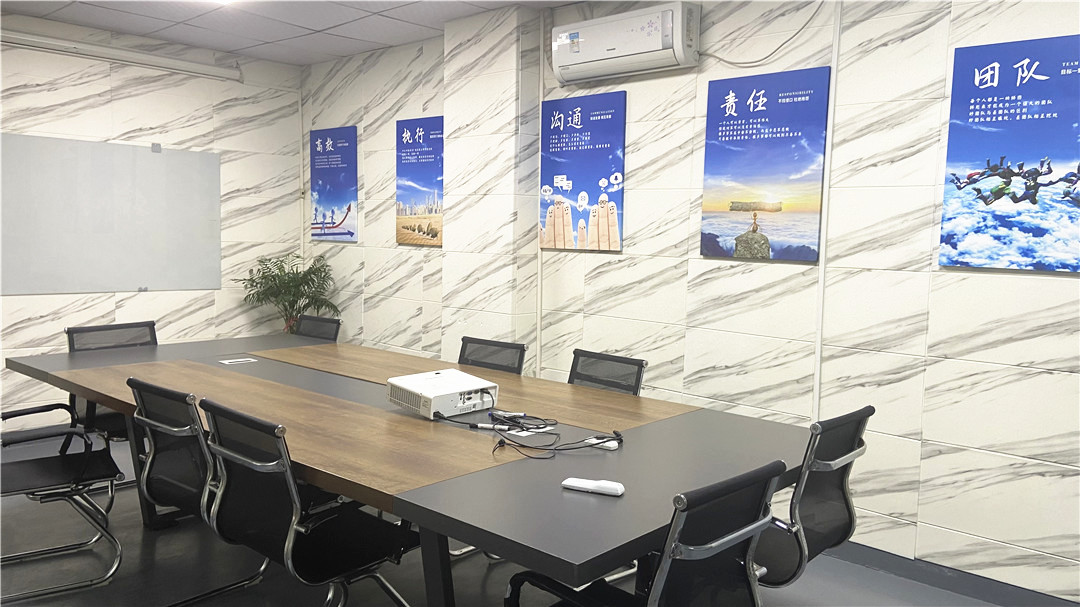
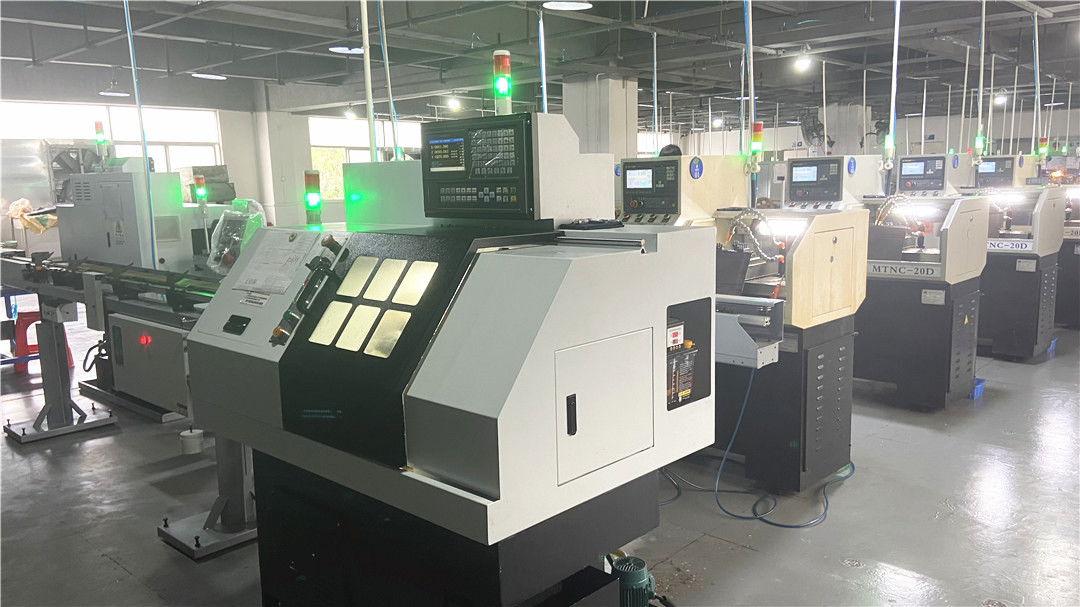
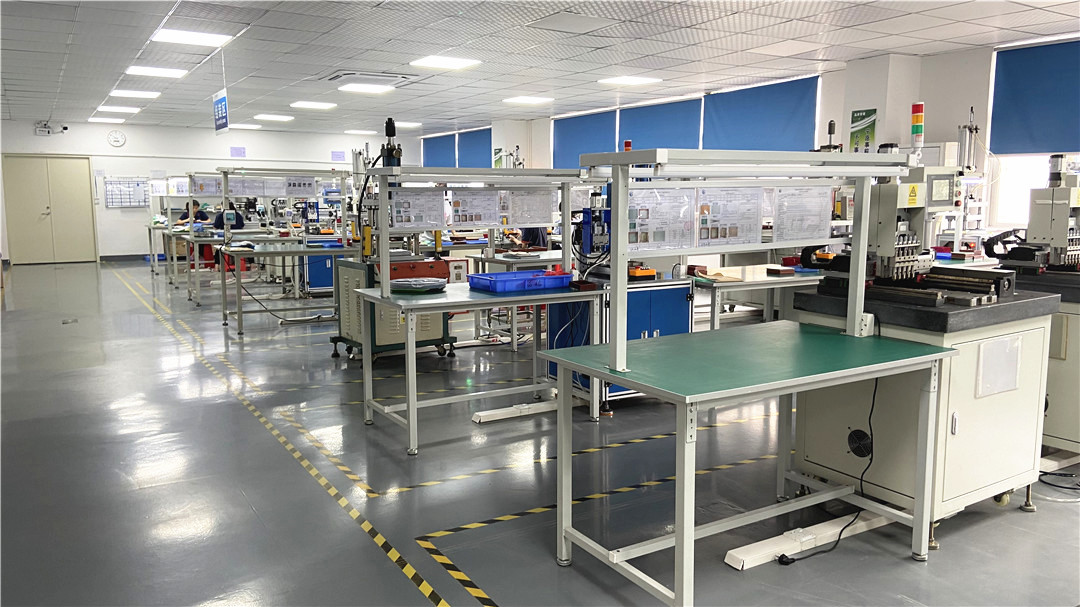
Established in February 2011 on Songgang Street, Shenzhen, within the highly integrated manufacturing hub of the Guangdong-Hong Kong-Macao Greater Bay Area, Rongqiangbin (RQB) has developed into an industry leader in Pogo Pin connector R&D, production, and distribution.
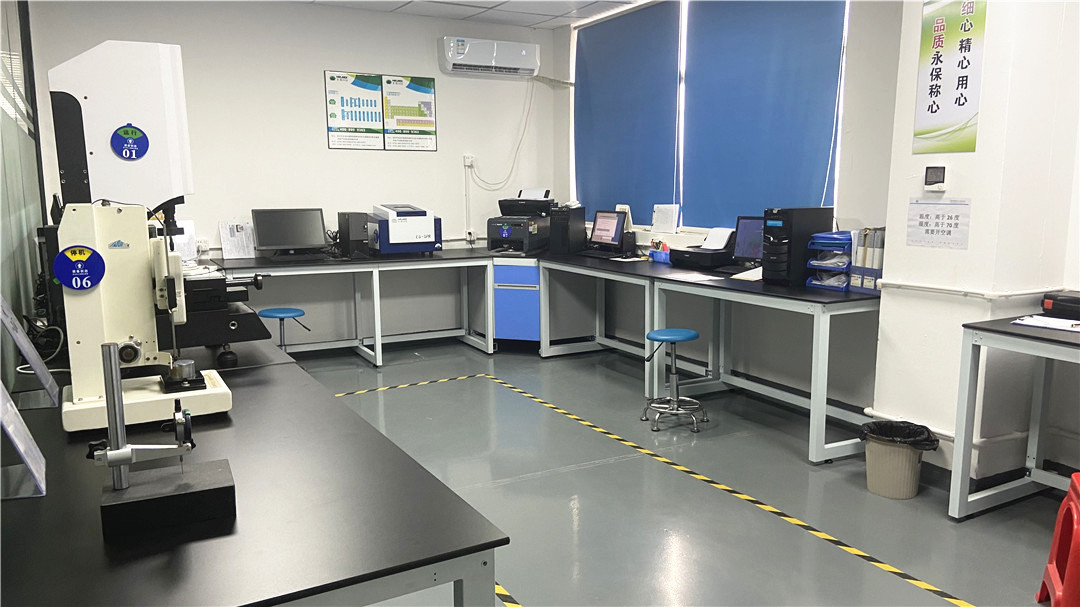
Our company specializes in engineering precision contact pins, spring loaded charging contacts, magnetic connector systems, and high current testing interfaces. With a strong commitment to core values of "customer first, integrity first", we maintain robust quality controls backed by the ISO9001:2015 international quality management system certification.
Our global client portfolio includes industry giants like Honeywell, Samsung, Siemens AG, ZTE, 360, QCY, Haylou, Shanghai Laimu, Luxshare Group, Aoni Electronics, and Amphenol Group, reflecting our capabilities in both design innovation and production consistency.

When developing high-current test fixtures or system interfaces, electrical engineers must evaluate several parameters. Below is a reference performance index mapping different configuration options.
| Probe Category | Max Continuous Current | Contact Resistance | Plunger Tips & Plating Options | Typical Applications |
|---|---|---|---|---|
| Heavy-Duty Test Probes | 100A - 300A | < 0.2 mΩ | Bi-cut Crown / Rhodium or Thick Gold over Nickel | EV Battery module cycling, power grid switchgear testing |
| Coaxial High-Current Pins | 30A - 80A | < 0.5 mΩ | Serrated / Hard Gold (1.5 microns) | In-circuit Test (ICT), power module characterization |
| Precision Smart Contact Pins | 5A - 20A | < 10 mΩ | Flat or Round Cup / Biocompatible Nickel-free Gold | Consumer wearable electronics fast charging dock |
| Custom Automotive Pins | Custom up to 350A | Specified on demand | Multipoint Crown / Silver or Palladium alloy plating | Automotive wiring harness and high-voltage interconnects |
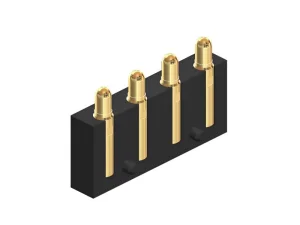
Select from our highly stable SMD, SMT, and wire attachment systems designed for rugged industrial deployment.
 Rongqiangbin