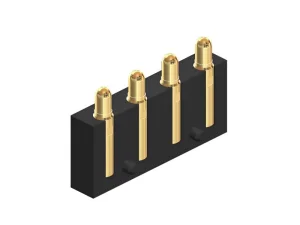
Engineered for durability, seamless alignment, and high-conductivity performance in low-profile electronic designs.
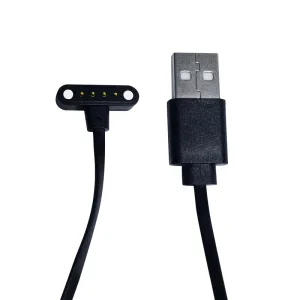
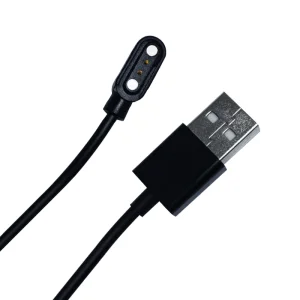
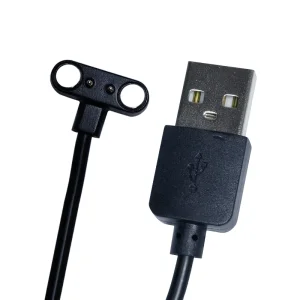
Modern product designers faces a critical challenge: achieving robust electrical transmission within increasingly thin structures while ensuring protection from liquids, dust, and user errors. The 2-pin magnetic pogo pin connector answers this call by utilizing neodymium (NdFeB) magnetic poles to establish reliable orientation and high contact force without physical locking mechanisms.
By separating mechanical stability (handled by integrated magnets) from electrical contact (handled by gold-plated, spring-loaded brass plungers), this architecture minimizes wearable footprints, enables quick release to prevent drop damage, and simplifies structural waterproofing (up to IP68 rating).
Why 2-Pin? Standard applications utilize this pairing to establish a highly reliable positive (VCC) and ground (GND) path, ideal for swift charging and basic data handshakes.
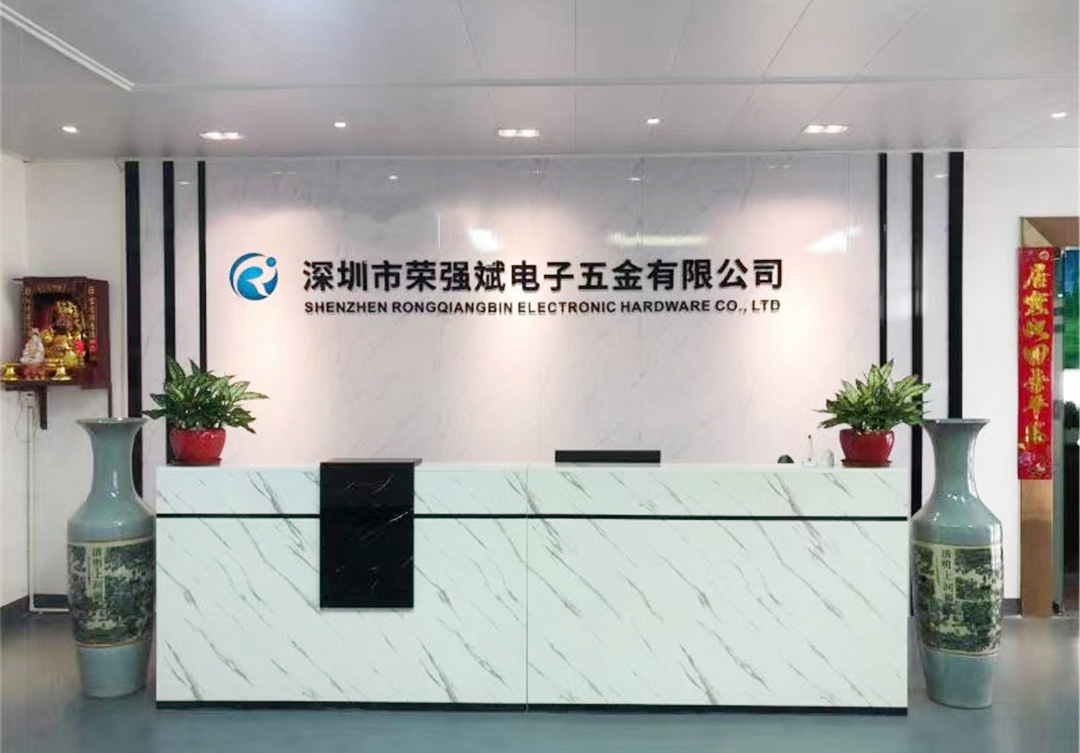
Located in the heart of the Guangdong-Hong Kong-Macao Greater Bay Area (Songgang Street, Shenzhen), we are an industry-certified powerhouse dedicated to the research, development, and high-precision production of premium POGO PIN connectors and magnetic charging solutions since February 2011.
Equipped with sophisticated automatic lathes, specialized cleanrooms, and computerized testing modules, we serve global market demands with customizable pin counts, magnetic force ratings, and plating configurations.
Operating with precision demands strict adherence to rigorous engineering, chemical safety, and ethical manufacturing protocols.
Our complete manufacturing pipeline conforms to RoHS, REACH, and Halogen-Free requirements. This ensures our 2-pin magnetic connectors are chemically stable and completely safe for prolonged skin contact, an absolute requirement for smartwatches, health trackers, and clinical monitoring wearables.
We deploy precise X-Ray Fluorescence (XRF) instruments to verify electroplating consistency. Our standard plating layers range from 3u" to 50u" of gold over nickel layers, preventing galvanic corrosion, reducing contact resistance below 30mΩ, and guaranteeing up to 48-hour salt spray resistance.
In humid environments carrying an electric current, metal ions can migrate across dielectric substrates. Our engineering utilizes custom liquid crystal polymer (LCP) and high-temperature nylon insulators, along with physical barrier grooves, to completely eliminate short-circuiting risks from ion migration.
From smart cities to wearable healthcare diagnostics, 2-pin magnetic technology is replacing traditional ports.
As IoT nodes shrink and wearable designs grow increasingly compact, space efficiency becomes paramount. Designers are shifting away from micro-USB and USB-C because physical cavities collect skin debris, dust, and water. A flat, surface-mount magnetic contact pad eliminates these issues.
Concurrently, smart consumer devices are demanding fast-charging profiles. Standard Pogo Pins carry around 1A. However, with our custom-engineered high-current spring designs and specialized copper alloy sleeves, our 2-pin magnetic interfaces support up to 5A of continuous charging current without rising past critical thermal margins.
Every step of our process—from mechanical testing to final quality checks—occurs in a highly controlled environment.

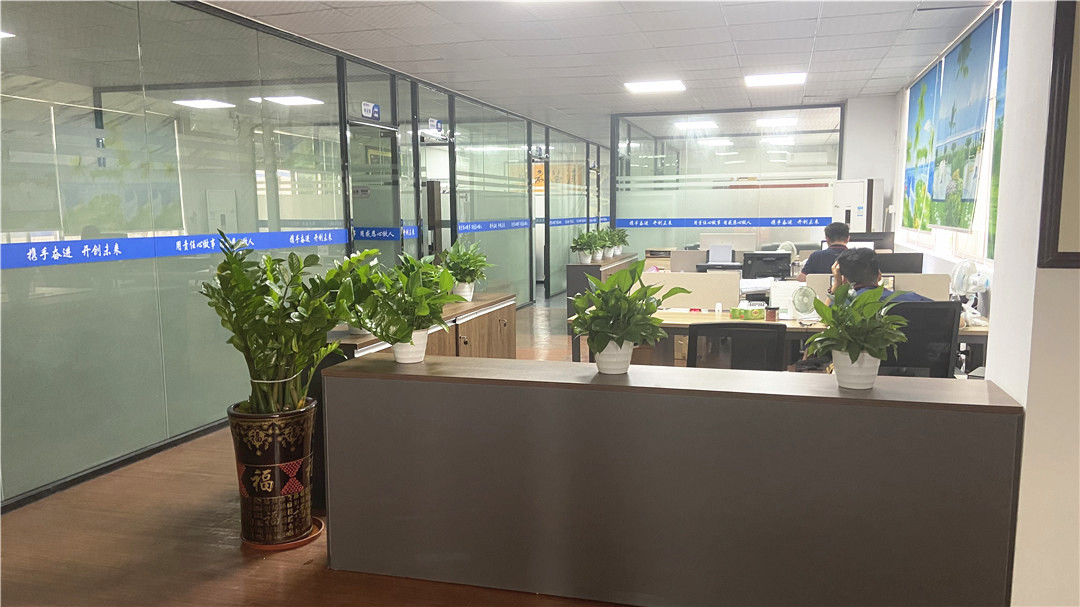
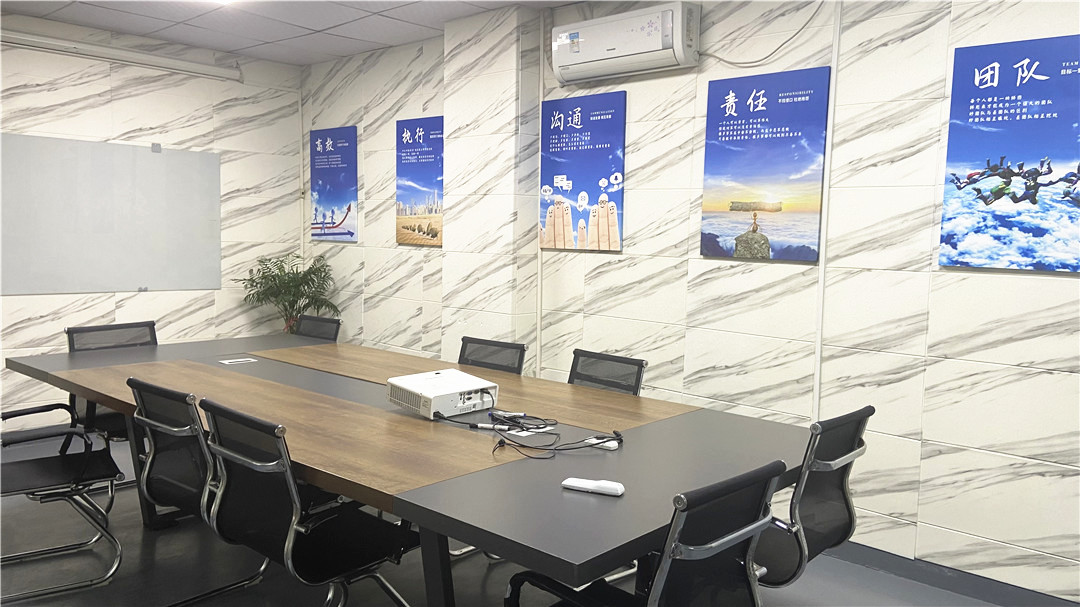
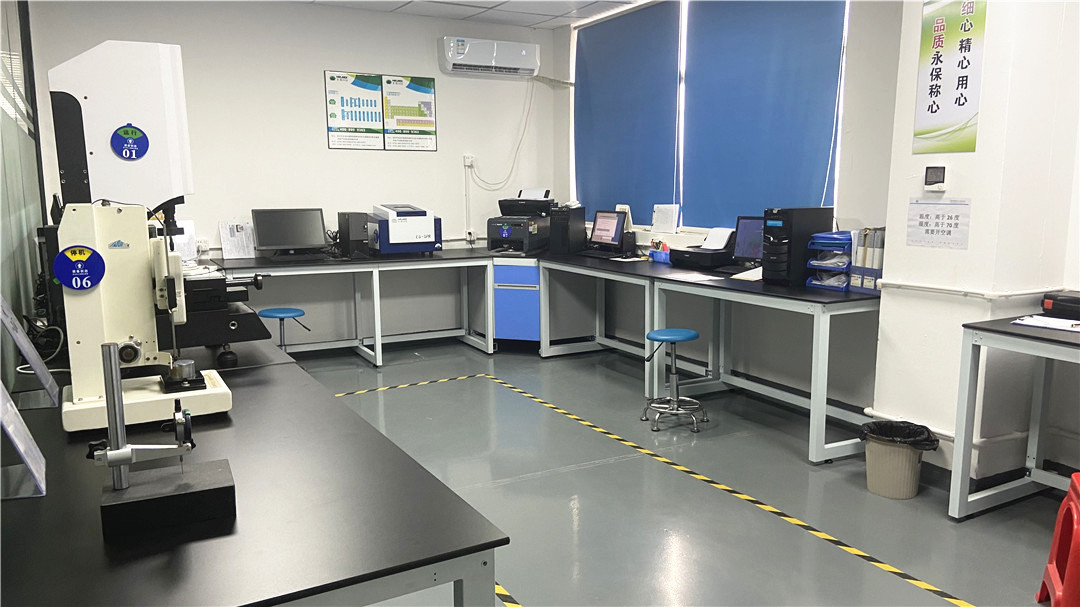
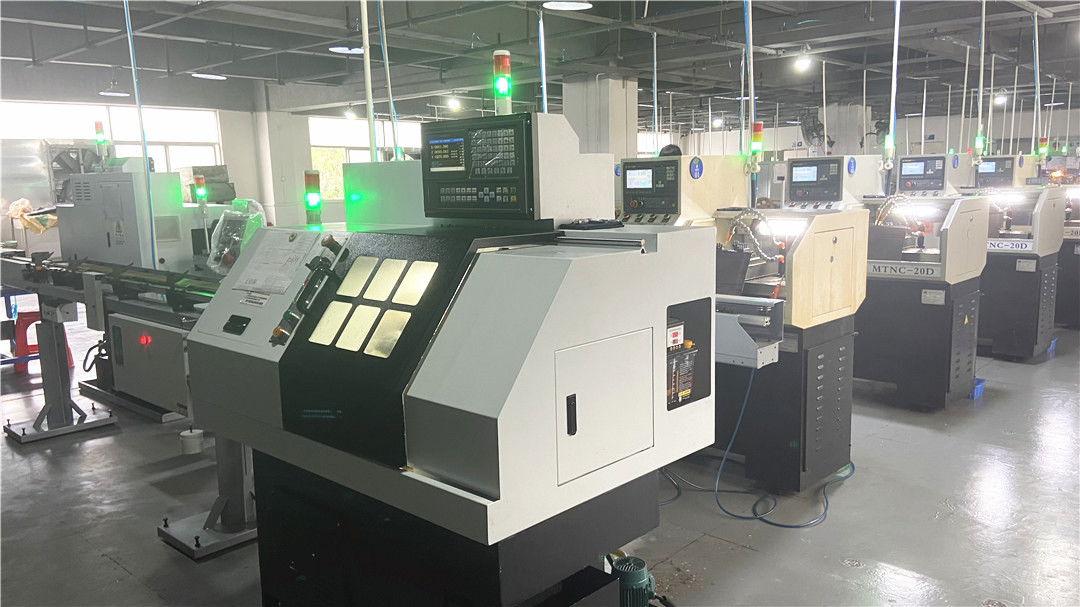
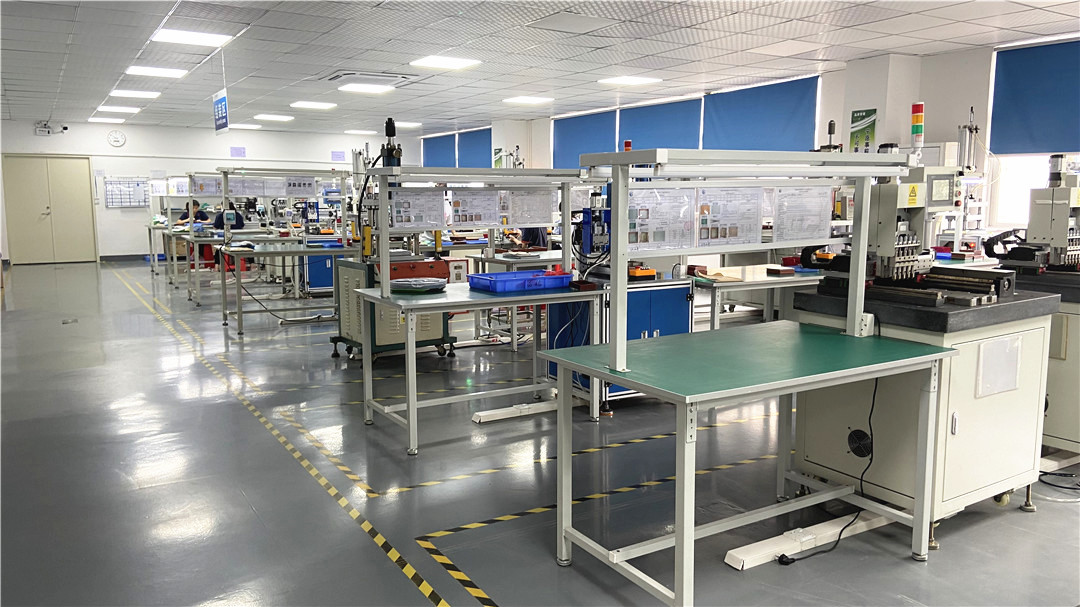
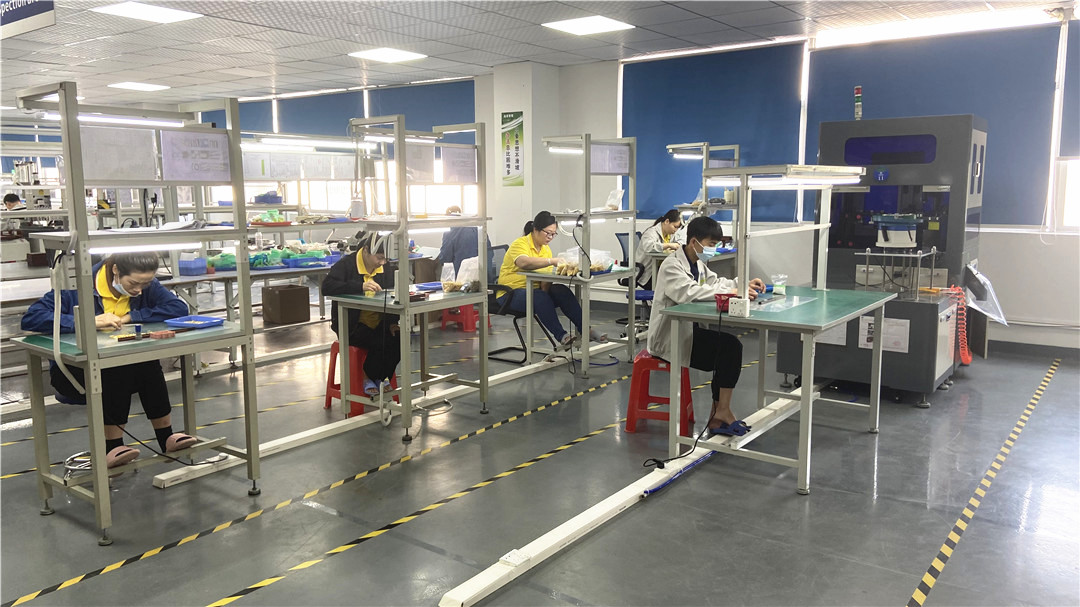
Under the core philosophy of "customer first, integrity first", Rongqiangbin has solidified a reputation as a trusted manufacturing partner for top-tier global hardware developers. By merging strict engineering tolerances with dynamic testing systems, we deliver scalable batch uniformity.
Our custom parts supply key systems for market leaders, including Honeywell, Samsung, Siemens AG, ZTE, 360, QCY, Haylou, Shanghai Laimu, Luxshare Group, Aoni Electronics, and the Amphenol Group.
Operating out of Shenzhen gives us access to a highly integrated logistics network. As a result, we can deliver customized tooling samples in 5 to 7 business days, and move to volume production within 2 to 3 weeks.

Whether you require a custom plastic pitch, specific spring rate, distinct wire connection style, or customized magnetic holding force (ranging from 100g up to 2000g), our in-house engineering team designs and manufactures custom molds, CNC pins, and overmolded plastic bases under one roof.
An authoritative guide for hardware engineers developing next-generation charging connections.
A key failure point in consumer electronics is when a user inserts a power plug backwards, causing a short circuit. Standard cylindrical plugs try to avoid this, but they require a deep insertion channel that is difficult to waterproof. In contrast, 2-pin magnetic connectors use spatial orientation to guarantee polarization.
By placing one neodymium magnet with the North pole facing up next to a second magnet with the South pole facing up, the connector plug will naturally reject connection if flipped 180 degrees. This provides tactile force feedback, warning the user and physically preventing electrical contact before polarity is confirmed.
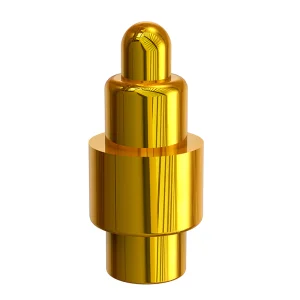
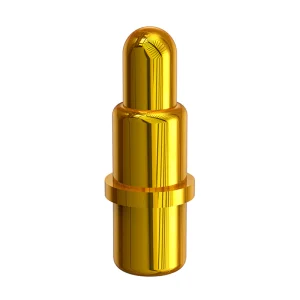
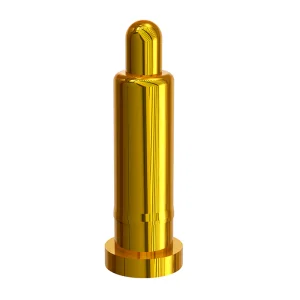
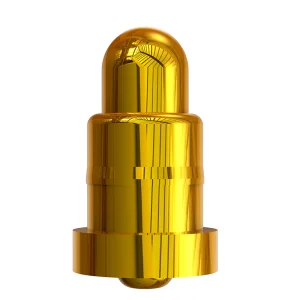
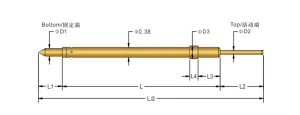
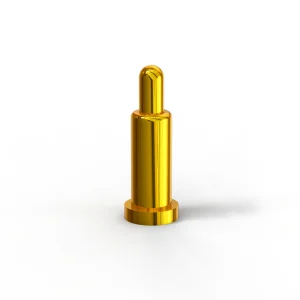
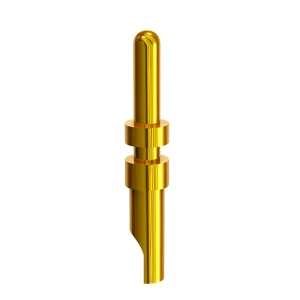
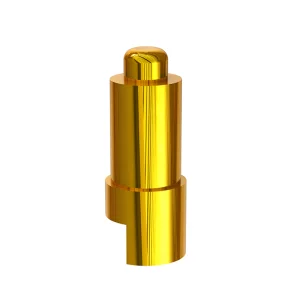
Pogo pins consist of three key components: a sliding plunger, a copper-alloy outer barrel, and an internal spring. The spring must be carefully engineered: too little force leads to higher contact resistance and power drops during vibration; too much force accelerates plating wear, wearing down the gold layer and exposing the base brass to oxidation.
Our engineering team designs spring forces between 40g and 120g of pressure at working height, depending on the application. Additionally, we chamfer and back-drill the plunger's tail to ensure continuous contact with the inner barrel wall, preventing signal issues during spring movement.
Wearable devices are constantly exposed to sweat, humidity, and water. When current flows through two pins in contact with salt water or sweat, it triggers an electrochemical reaction that can dissolve standard gold plating. To combat this, we offer advanced plating alternatives like Palladium-Nickel (Pd-Ni) and Rhodium-Ruthenium (Rh-Ru) alloys over high-grade nickel diffusion barriers. These materials resist wear and maintain low contact resistance even in highly corrosive environments.
Answers to common design and sourcing questions regarding 2-pin magnetic connectors.
Generally, standard 2-pin magnetic connectors carry between 1A and 2A. However, by optimizing the internal barrel plunger contact area and utilizing high-conductivity copper alloys, we can supply custom ODM designs that safely carry up to 5A or even 10A of continuous DC current without exceeding safe thermal limits.
Neodymium magnets will attract magnetic debris (like iron dust) over time. To prevent short-circuiting, our designs use recessed contact pins, raised insulating plastic barriers, and non-magnetic materials for surrounding components. We also recommend using magnetic shields in environments with high particulate levels.
Yes, magnetic holding forces can be fully customized from 100g to 2000g. Medical and military equipment often require a higher holding force to prevent accidental disconnection. Conversely, consumer charging cords typically require a lower force, allowing the cable to release safely if someone trips over it.
A standard USB-C port is rated for approximately 10,000 insertion cycles. In contrast, because pogo pins rely on vertical spring pressure rather than friction, our standard 2-pin connectors routinely achieve 50,000 to 100,000 cycles. We also manufacture premium configurations rated for up to 1,000,000 cycles.
Yes, we can achieve IP67 and IP68 waterproof ratings for the device side. This is done by sealing the pins against the plastic housing using rubber O-rings, epoxy potting, or multi-shot injection overmolding. These methods ensure liquid cannot enter the device through the pins.
Our Shenzhen facility integrates every step of production: precision CNC machining, automatic spring winding, plastics injection molding, and assembly. This localization within the Greater Bay Area electronics ecosystem allows us to source materials quickly and ship products overseas efficiently.
Our labs are equipped with salt spray chambers, dynamic contact resistance meters, spring force measurement tools, CCD optical sorting systems, and temperature/humidity chambers. We also use XRF plating thickness analyzers to verify gold plating layers across production runs.
Tooling costs depend on the design's complexity. We work to minimize these upfront expenses by offering modular bases and semi-custom configurations. For high-volume production agreements, we often absorb or refund tooling fees back to the client.
We primarily use LCP (Liquid Crystal Polymer) and high-temperature nylon (PA46, PA9T) for our connector housings. These materials withstand lead-free reflow soldering temperatures (up to 260°C) while maintaining excellent structural stability and electrical insulation.
Standard pogo pins are designed for power and simple low-speed signals. However, by optimizing pin shapes, controlling impedance, and utilizing coaxial shield geometries, we can design custom multi-pin arrays that support high-speed interfaces like USB 2.0 and USB 3.1.
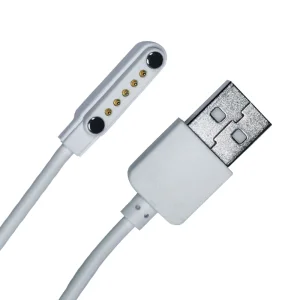
Explore our full line of magnetic cables, spring contact pins, and custom hardware components.
 Rongqiangbin