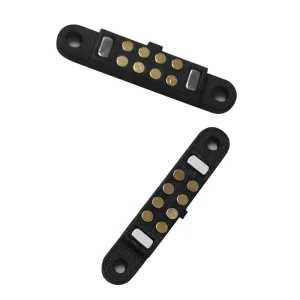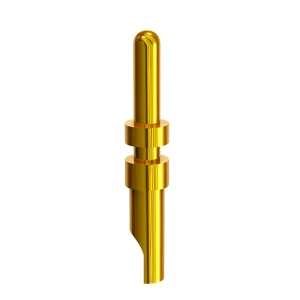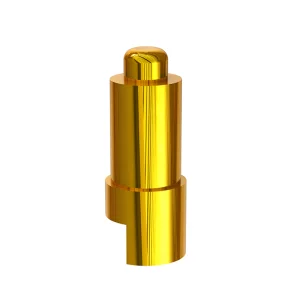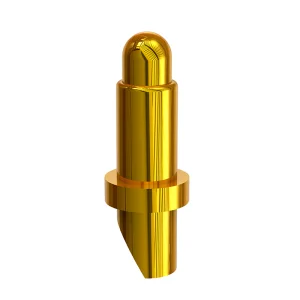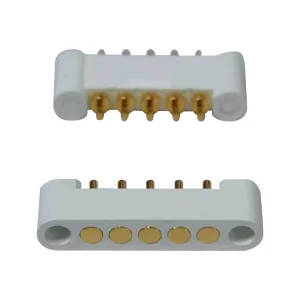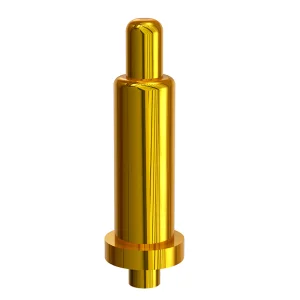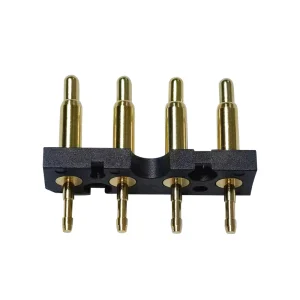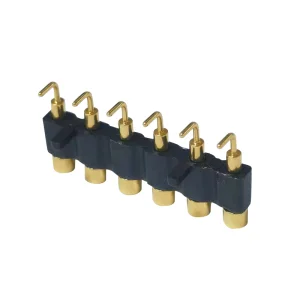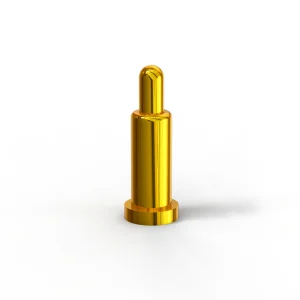
Founded in February 2011 and located in Songgang Street, Shenzhen—the epicenter of the Guangdong-Hong Kong-Macao Greater Bay Area (GBA)—our company has emerged as a premier force in the development, manufacture, and distribution of POGO PIN (spring thimble) connectors. Over the years, through tireless engineering research, process optimization, and dedicated customer service, Rongqiangbin has solidified its standing as an industry leader.
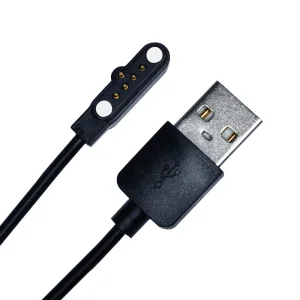
We specialized in the complete design-to-delivery lifecycle of precision pogopin connectors, magnetic charging cables, and customized wire harnesses. Guided by the principle of "customer first, integrity first", we serve globally renowned high-tech enterprises. Our manufacturing prowess is backed by ISO9001:2015 international quality management system certification, guaranteeing structural reliability, chemical compliance, and electrical superiority across all batches.
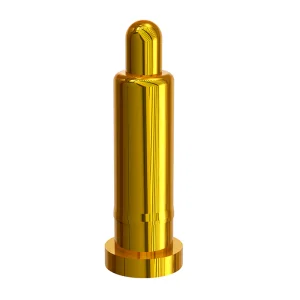
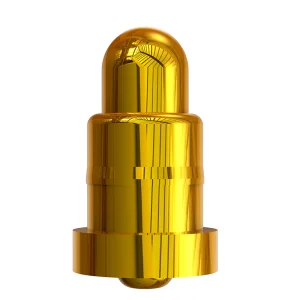
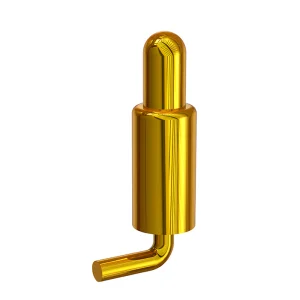
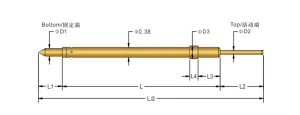
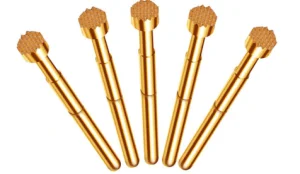
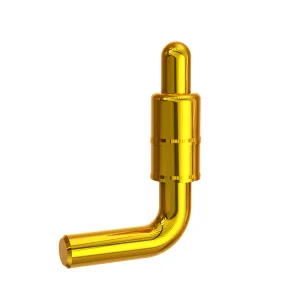
A pogo pin connector consists of three vital components: a plunger, a barrel, and an internal spring. By utilizing spring-loaded mechanical tension, these components maintain constant electrical contact under vibration, compression, and misalignment. This dynamic contact system offers significant advantages over traditional blade or pin-and-socket connectors, including:
Global procurement teams often seek "cheap pogo cable suppliers." However, cost reduction without performance security leads to failure. Shenzhen-based manufacturers, specifically in Songgang, leverage a localized industrial matrix that delivers cost leadership without compromising quality:
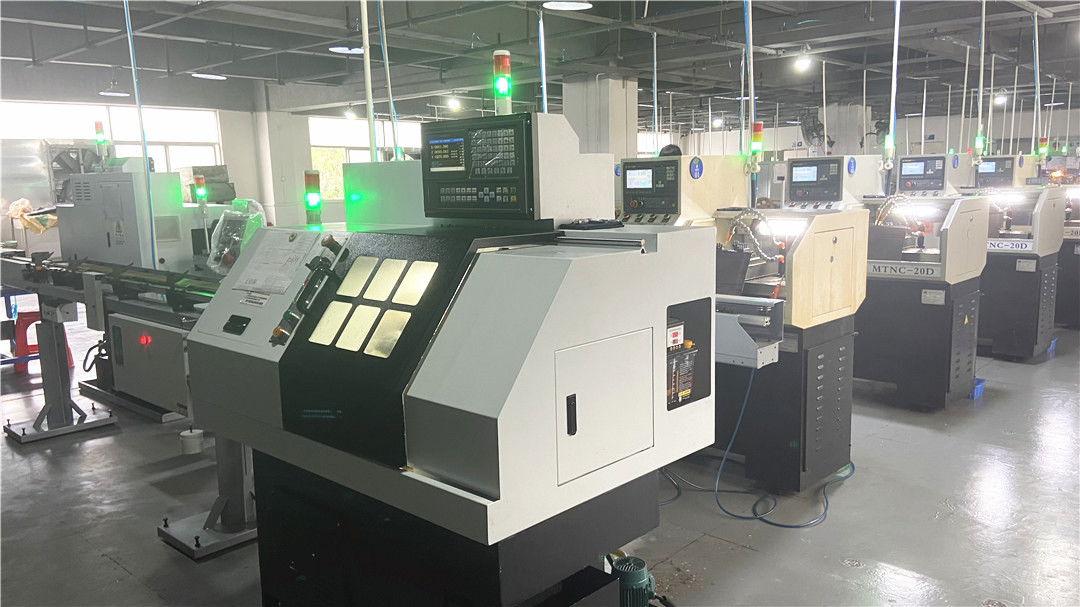
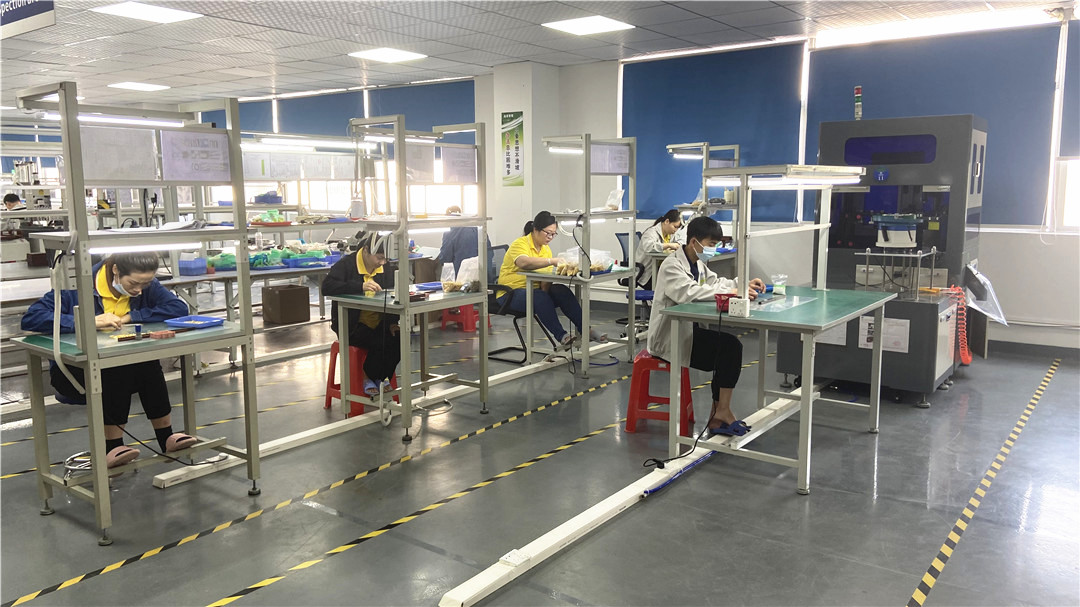
By using ultra-precision, high-speed automated lathes, we can hold dimensions within ±0.005mm tolerances. This scale of automated machinery keeps unit costs incredibly low.
Close proximity to high-grade gold, nickel, and palladium-cobalt plating lines guarantees optimal layer thickness. We prevent oxidation and skin-irritation in consumer wearables at a fraction of Western costs.
With integrated CAD/CAE tools and in-house molding facilities, we can supply functional custom pogo pin adapter samples within 3 to 7 working days.
Modern electrical engineering requires components that are lighter, faster, and more robust. Pogo cable assemblies are evolving rapidly to meet these needs, with key developments in the following areas:
With the rise of fast-charging smart devices and light electric mobility vehicles, standard 1A-2A pogo cables no longer suffice. Advanced manufacturers design internal ball structures or insulating beads to redirect current pathways directly from the plunger to the barrel wall. This reduces contact resistance and allows up to 15A of continuous load without overheating.
For wearable applications exposed to sweat and chlorine, pogo pin surfaces are reinforced with proprietary coatings (such as Gold over Platinum or Rhodium). High-pressure overmolding and epoxy dispensing prevent water ingress behind the PCB interface.
Pogo pins are engineered for characteristic impedance matching (typically 90Ω or 100Ω) to support high-frequency signals. This enables magnetic pogo connectors to carry both power and high-speed video data, replacing traditional wear-prone physical ports.
Rongqiangbin designs macro-level solutions across multiple industries:

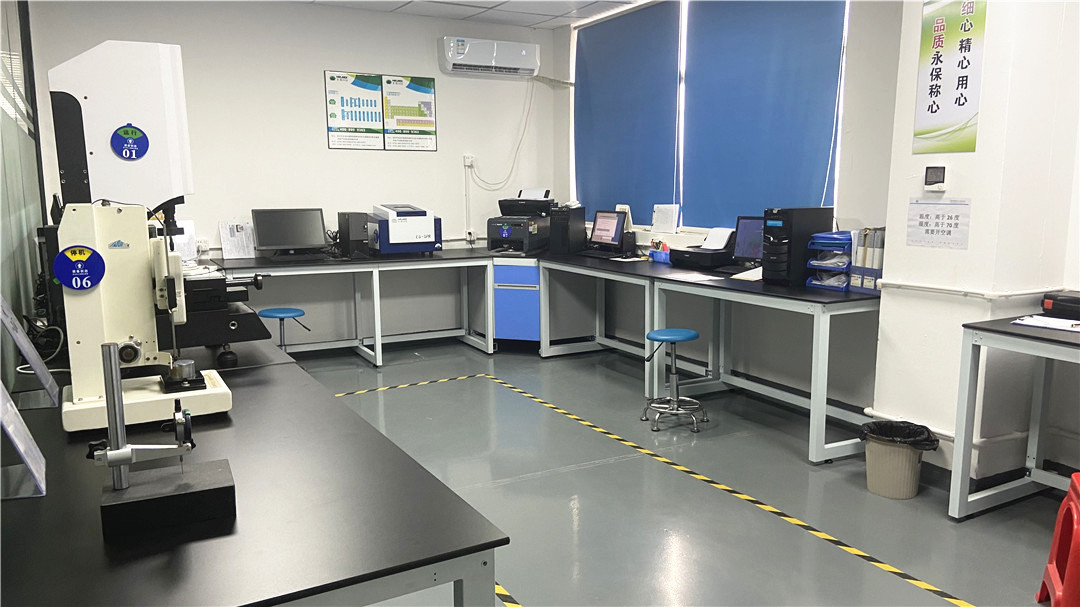
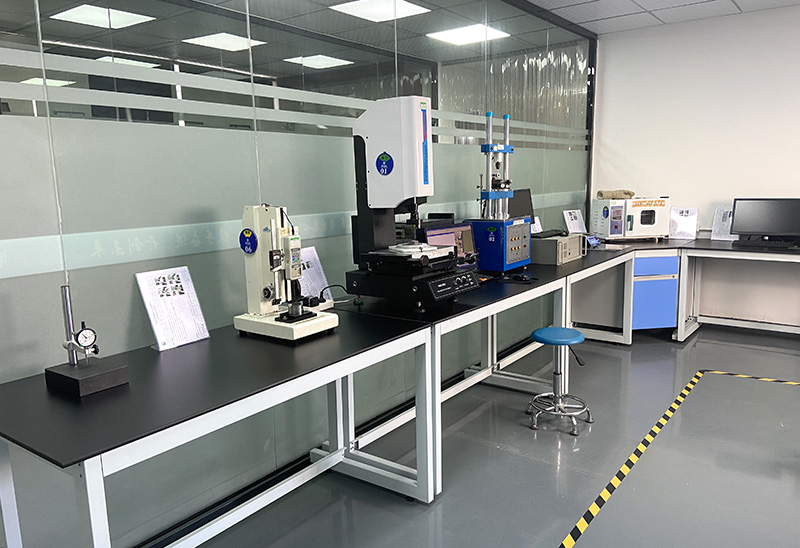
Rongqiangbin works with a rigorous quality management team and a robust environmental system. Every batch of pogo cables undergoes exhaustive evaluations in our in-house lab, including:
Our commitment to quality has earned us long-term partnerships with prominent global brands, including:
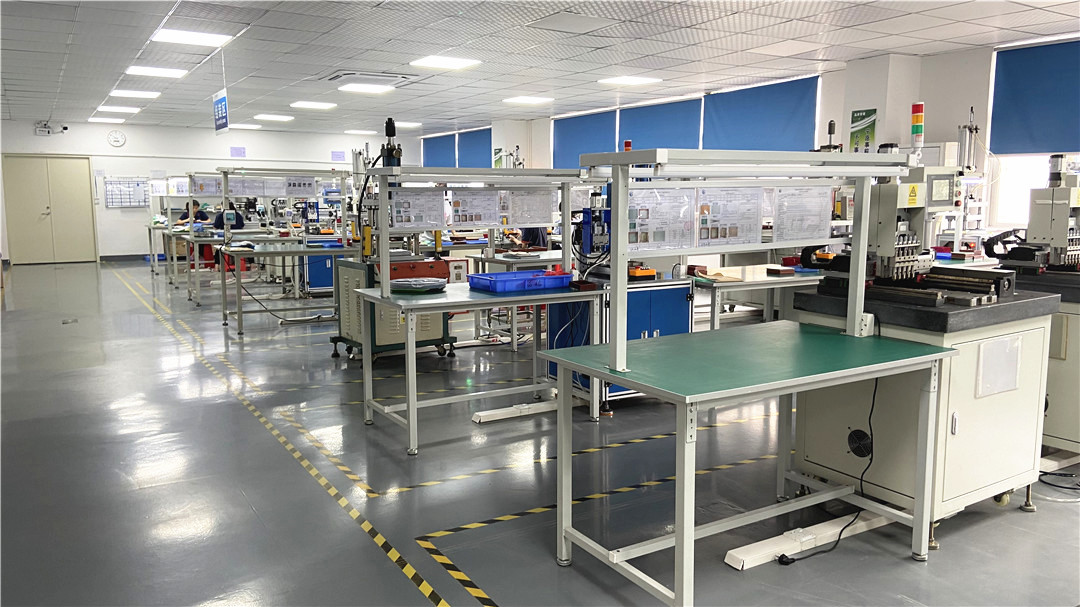
Cost-efficiency is driven by manufacturing scale and automated assembly. Operating out of Shenzhen allows us to source raw brass and spring materials in bulk, process components on high-speed CNC lathes, and assemble cables with automated equipment. This reduces manual labor and keeps unit costs low while maintaining strict tolerances.
For consumer electronics, we typically recommend a nickel base layer of 50-100 micro-inches, topped with a gold layer ranging from 3 to 30 micro-inches, depending on the environment. High-corrosion wearable designs may also feature platinum or rhodium finishes to protect against sweat electrolysis.
Yes. By managing pin pitch, internal impedance, and cable shielding, we can design custom magnetic assemblies that support USB 2.0 (480 Mbps) and USB 3.1 Gen 1/Gen 2 (5-10 Gbps) data transmission speeds.
Initial 3D design and technical confirmation take 1-2 days. Prototype samples are completed in 5-7 days. Once approved, mass production tooling and assembly take about 15-20 days, depending on order size.
 Rongqiangbin